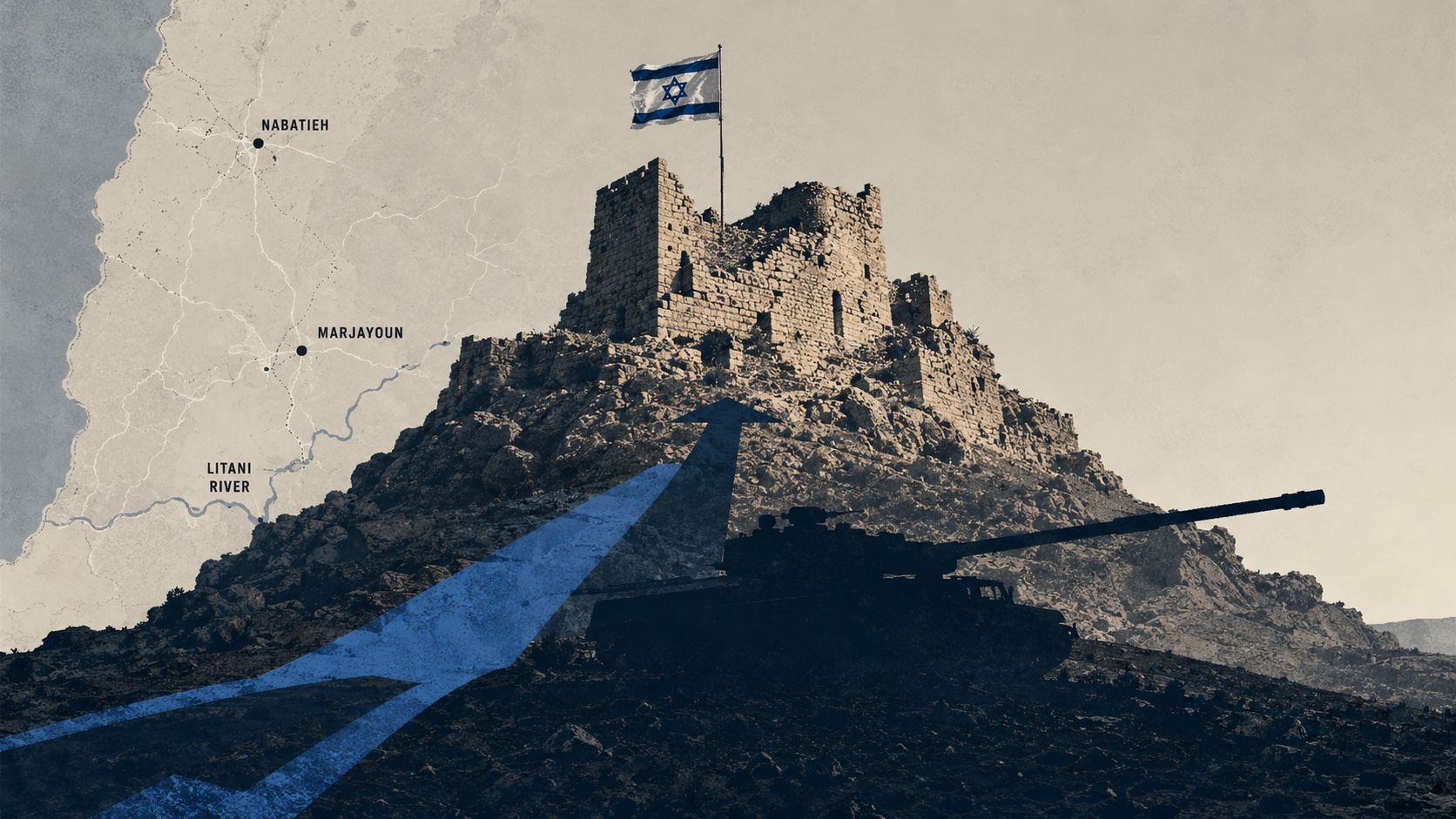
Israeli officials told the Jerusalem Post that the opening wave of Israel-U.S. strikes on Iran was deliberately executed at dawn rather than overnight to exploit a tight operational window and preserve tactical surprise. The newspaper said the timing was tied to an immediate battlefield objective: limiting Iran’s capacity to generate sustained ballistic-missile salvos at Israel as Tehran began retaliatory fire.
Detail
- The Jerusalem Post said Israel and the United States launched an opening wave striking military and command targets in Tehran and western Iran, describing the operation as focused on degrading threats to Israel’s home front.
- Israeli officials cited by the paper said dawn timing was chosen to maximize tactical surprise and exploit a narrow operational window compared with a night strike.
- The report linked the timing logic to the ballistic-missile problem set: the aim was to disrupt Iran’s ability to mount large, coordinated barrages toward Israel as retaliation began.
- The Jerusalem Post framed the operation as unfolding in waves, implying follow-on strikes would be driven by the pace and scale of Iranian launches.
(Analysis)
A “dawn-not-night” rationale signals that the opening phase was designed less as a symbolic first blow and more as a time-sensitive attempt to pre-empt the mechanics of retaliation—command links, launch readiness, and sequencing—before Iran could generate maximum volume. The practical test of this claim will be whether Israeli reporting can show a measurable drop in launch tempo or an increase in failed/fragmented salvos after the opening wave.
What next?
- Watch whether Israeli reporting shows reduced launch rates or disrupted barrages; if not, expect renewed “wave” language and follow-on strikes focused on launch infrastructure in western Iran.
- Monitor official U.S. and Israeli briefings for explicit criteria on when the next wave triggers (launch volume, target sets, duration).
Sources