- Tom Barrack’s back-to-back stops in Baghdad (Feb. 23, 2026) and Erbil (Feb. 25, 2026) put government formation back under direct U.S. pressure, alongside files tied to ISIS detainees and Syria.
- The public messaging stays diplomatic (“government formation is an internal matter”), but the broader reporting frames the U.S. push as aimed at reducing Iran-linked leverage inside the next cabinet and security decision-making.
- ontime+ Political Council (internal) says Barrack told them: “incoming sanctions will be unforgiving—form a government away from Iranian influence.” This is ontime+ attribution and not independently confirmed in open sources at the time of writing.
News
U.S. envoy Tom Barrack made two high-profile visits within days—first in Baghdad, then in Erbil—meeting senior Iraqi federal and Kurdish leaders while Iraq remains stalled on forming a government. Iraqi statements emphasised sovereignty and continuity of coordination with Washington, while regional reporting interpreted the visits as part of a sharper U.S. effort to shape the next political settlement and contain Iran-linked influence.
Detail
- Baghdad (Feb. 23): Iraq’s Foreign Ministry said Deputy PM/FM Fuad Hussein received Barrack and discussed bilateral ties, counterterrorism, regional developments (including Syria), and reiterated that forming the government is an internal matter, while “taking into account” partners’ views.
- Erbil (Feb. 25): Reporting and public updates indicated Barrack met key KRG figures including Nechirvan Barzani and Masoud Barzani amid parallel Syria-related conversations and Iraq’s government impasse.
- The Maliki factor: In late January, major coverage described U.S. opposition to former PM Nouri al-Maliki returning as a governing nominee, framing it around Iran ties and militia influence.
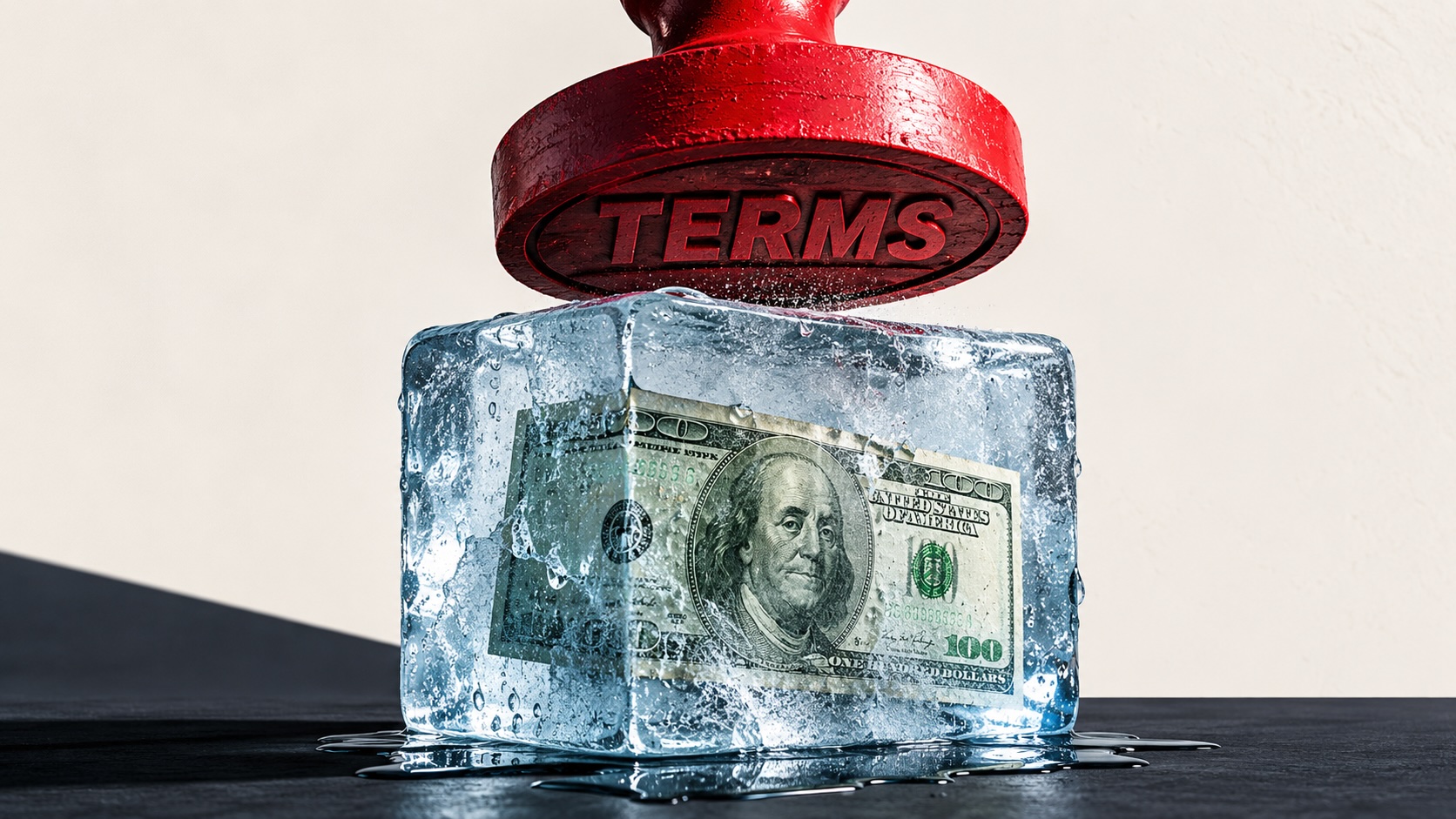
- Pressure tools (context): Multiple reports over recent weeks have highlighted that U.S. leverage is not only political—financial channels and sanctions risk are repeatedly cited as the strongest pressure point in Baghdad’s calculations.
- ontime+ Political Council (internal): Barrack warned that incoming sanctions will be unforgiving unless a government forms “away from Iranian influence.” This remains ontime+ internal sourcing.
(Analysis)
Across both stops, the U.S. message appears to be packaged in a “sovereignty-friendly” public tone—yet it is anchored to three hard requirements:
- A cabinet “readable in Washington”
Not simply a new prime minister, but a governing coalition whose decision chain is less exposed to Iran-aligned factions. The January reporting about U.S. opposition to Maliki is best understood as shorthand for a wider demand: limit militia-linked veto power and Iran’s role in shaping security and foreign policy. - Financial discipline as enforcement, not advice
The strongest U.S. leverage in Iraq is the financial system—dollar access, bank compliance, and sanctions exposure. Even when not stated in official readouts, it functions as the credible backstop to political demands. This is where the ontime+ Political Council account—“sanctions will be unforgiving”—fits the broader pattern, though it remains unverified publicly. - Linking Iraq to the wider Syria file
Barrack’s portfolio includes Syria-related engagement, and the Foreign Ministry readout explicitly references Syria-related issues. That matters because Iraq’s government formation is being treated as part of a broader regional architecture: border security, counterterrorism, detention files, and the political balance in northern Iraq.
What next?
Expect intensified pressure up to the moment a PM candidate and coalition shape become “final.” Publicly, Iraq will keep repeating the sovereignty line; privately, bargaining will revolve around whether the next government can reassure Washington on Iran-linked influence and financial compliance without triggering a domestic rupture.