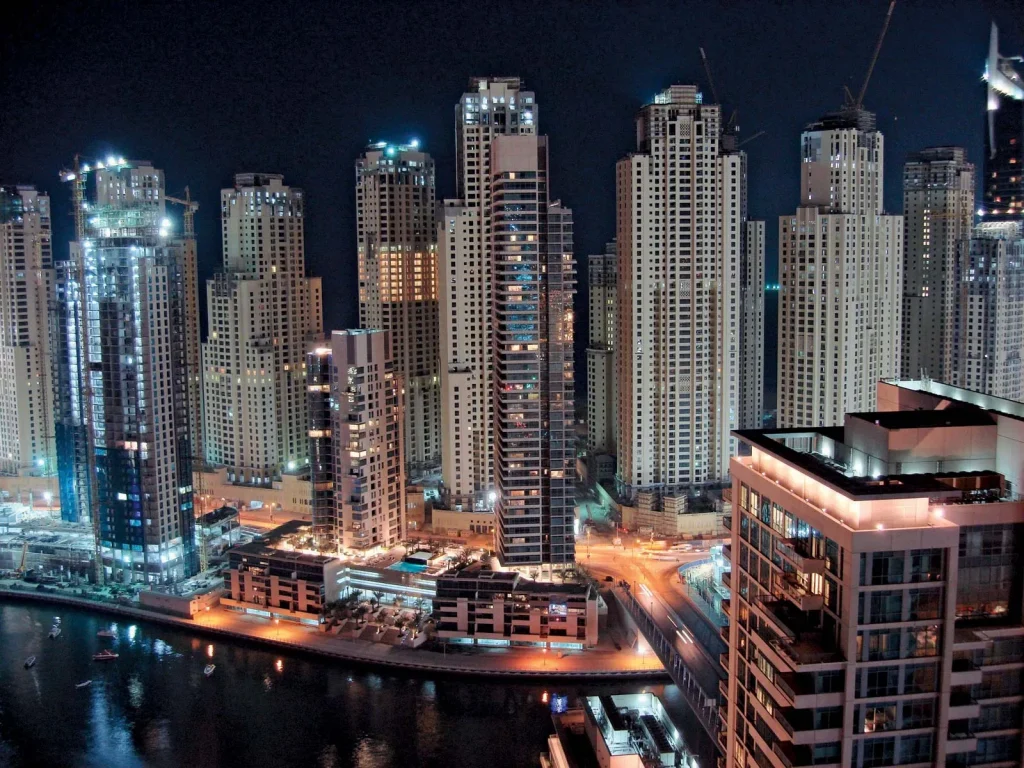
The confrontation with Iran, which would normally be measured by the number of missiles, launch platforms, and radar systems being hit, has expanded into Tehran’s ability to move the battle into the heart of the Gulf economy. That is the logic highlighted by The Washington Post in its report today, which argues that Iran, under pressure from U.S. and Israeli strikes, has begun targeting the civilian, financial, and technological institutions that define the modern Gulf model: money, data, ports, aviation, and business hubs.
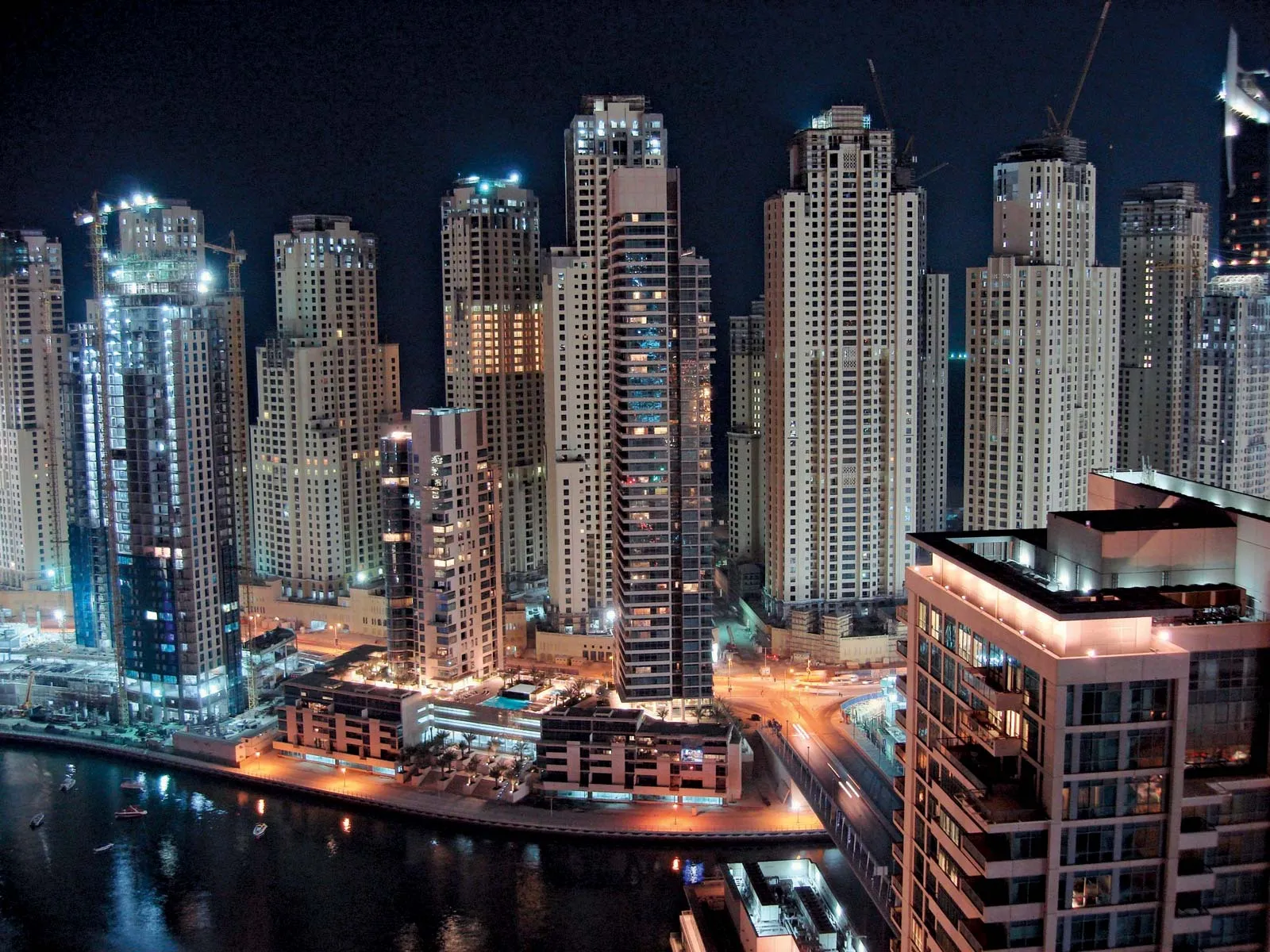
This shift is linked to attacks on Amazon data centres in the UAE and Bahrain, as well as a drone strike on the Dubai International Financial Centre on Friday that caused limited damage to one building. The report also points to damage at Dubai International Airport and a temporary halt to cargo movement at Jebel Ali after debris fell near the port.
In broader terms, Iran is trying to compensate for its military weakness with a war of economic attrition. Rather than limiting itself to responding against military targets, it is sending direct messages to the business and investment environment in the Gulf, especially in the UAE and Qatar, where the region’s image over recent decades has been built on being an ultra-safe haven for individuals, capital, and international companies.
Detail
The Washington Post argues that this path strikes at one of the most important assumptions behind Gulf globalization: that cities such as Dubai can remain outside danger even in the middle of regional instability. That is why major banks and companies have begun taking precautionary steps, including expanding remote work and reviewing financial exposure, while other reports have said that some investors are considering moving funds to alternative markets such as Hong Kong.
The report also notes that the war has exposed the fragility of vital links in the global economy. Even if the direct results of Iranian strikes remain relatively limited, targeting soft assets such as oil, chemical, and fertilizer storage tanks, or the ships that transport them, would be enough to disrupt key commercial arteries and raise insurance and operating costs across the region. This is precisely the kind of pain Tehran believes can intensify pressure on Washington and its allies.
The report further explains that Iran is entering this economic war with less fear of conventional loss, because its economy is already isolated by broad U.S. financial sanctions that have been in place for years. According to the report, that long isolation has led Tehran to see the prosperity of its neighbours as a compensatory target, after missing out on the integration that other Gulf and Asian economies benefited from over past decades.