News
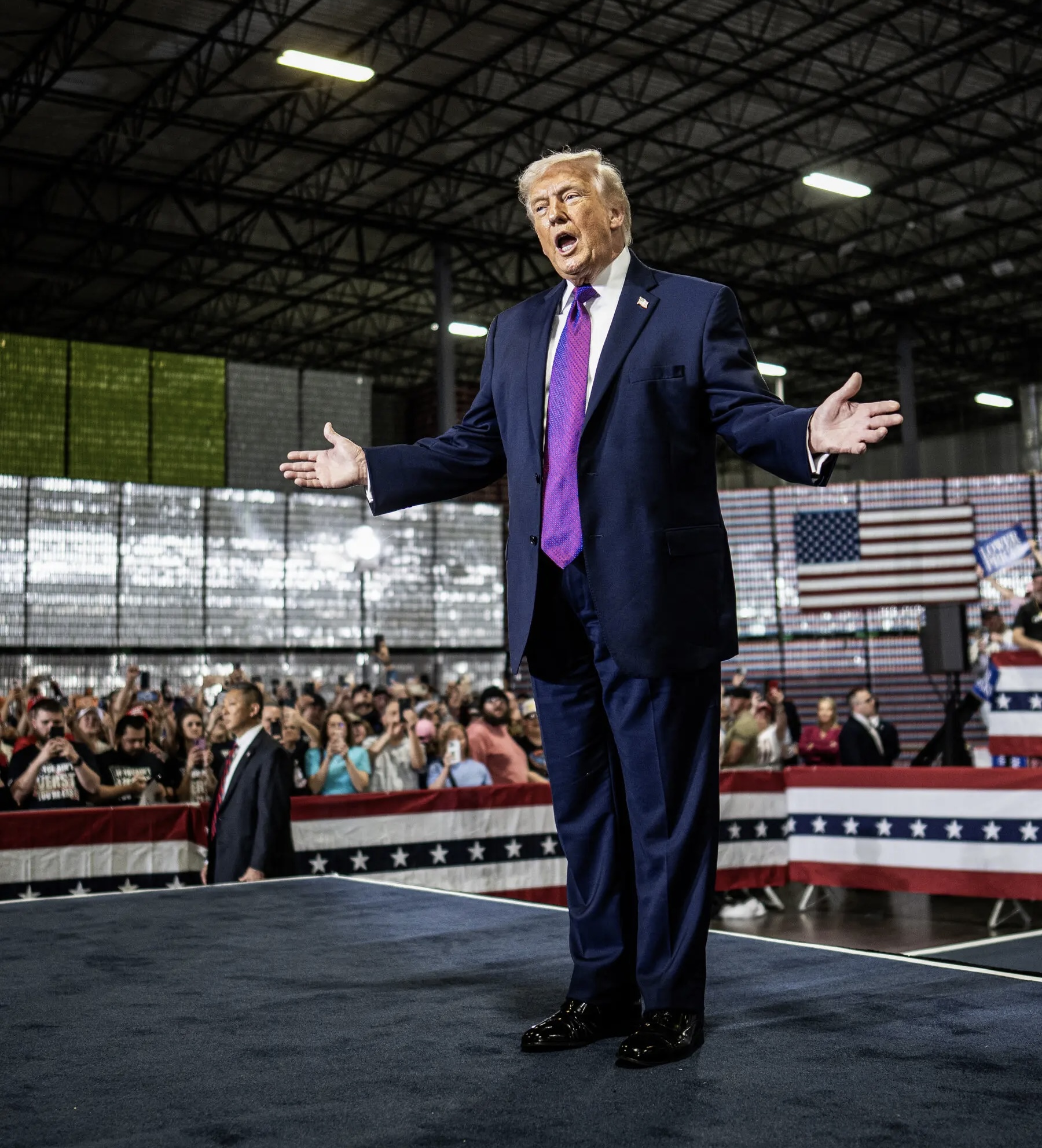
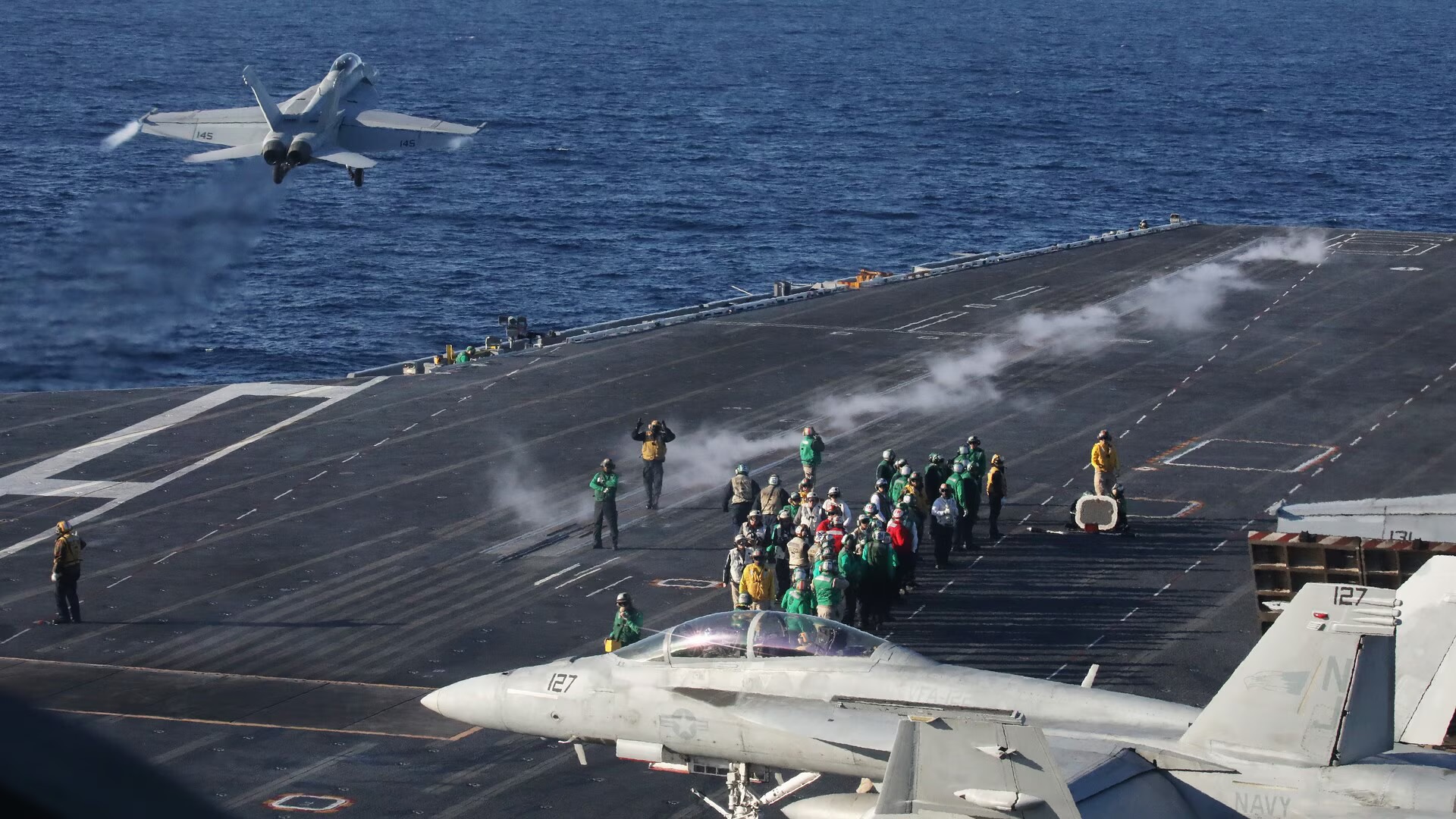
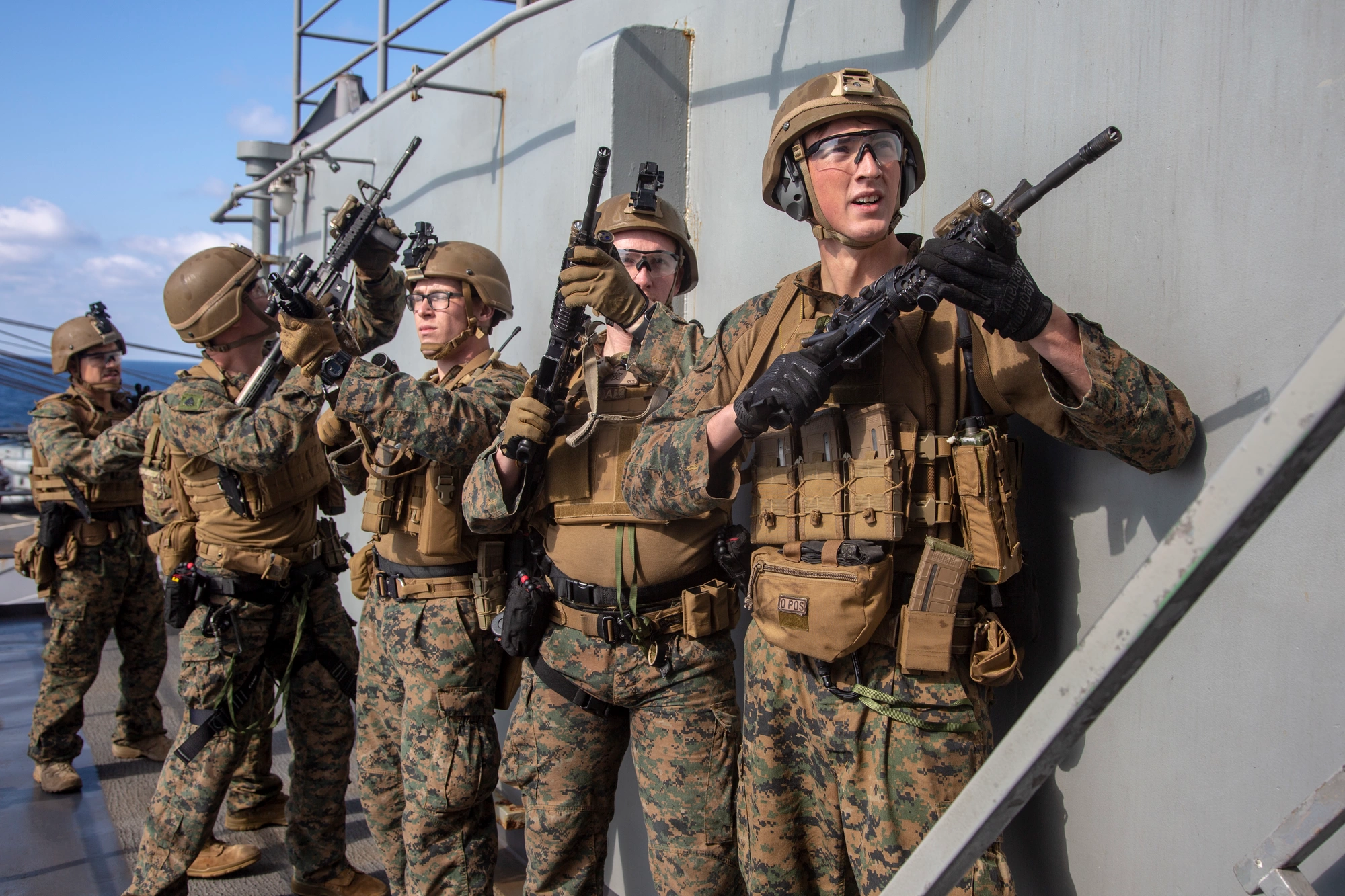
Washington: President Donald Trump is moving closer to the moment of declaring victory in the war against Iran, after U.S. and Israeli forces made major military gains over two weeks that included wearing down Iran’s navy, destroying a significant part of its missile arsenal, and killing a number of senior commanders.
But that progress does not necessarily mean the war is nearing a stable end. Despite the heavy blows, the Iranian regime remains in place and still has the capacity to disrupt global energy markets by threatening shipping in the Strait of Hormuz, keeping pressure on oil and fuel prices and raising the cost of the confrontation for Washington and its allies.
The report also notes that Iran still controls a stockpile of highly enriched uranium that the United States and its allies believe amounts to about 440 kilograms. Even with uncertainty surrounding its condition on the ground after the bombing, that material remains a highly sensitive strategic card because it leaves the nuclear risk unresolved.
Detail
The report draws attention to the widening gap between direct military success and the ability to end the war politically. Washington may have succeeded in striking specific targets, but it has not yet resolved the question of deterring Iran as a long-term regional threat.
The situation after Ali Khamenei’s killing could push Tehran toward greater hard-line positions, especially if voices inside the security establishment gain ground and press for accelerating the nuclear path or using more dangerous leverage at sea and across the Gulf.
On the ground, the Strait of Hormuz has become a central front in the crisis. Despite U.S. strikes against Iranian vessels near the strait, Washington has so far failed to guarantee safe and full passage for shipping, meaning Iran still has the ability to impose a strategic obstacle that outweighs its current military weight.
What next?
The U.S. dilemma now lies in how to end the crisis. A unilateral declaration of a halt in fighting does not guarantee that the Iranian threat will recede, while moving toward broader goals, such as regime change or direct control of sensitive sites, carries the risk of sliding into a longer and more complicated confrontation.
Source: The Washington Post