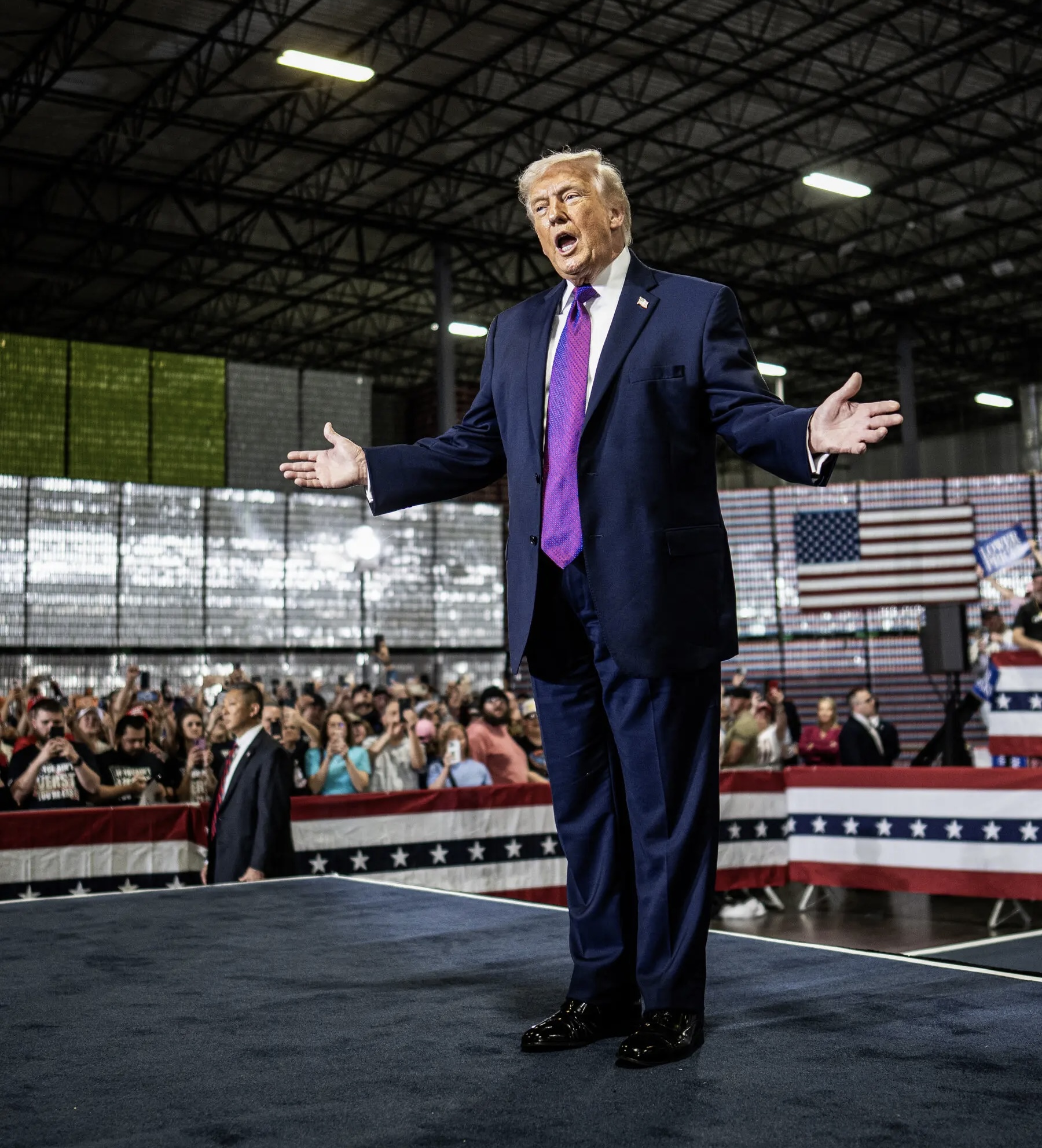
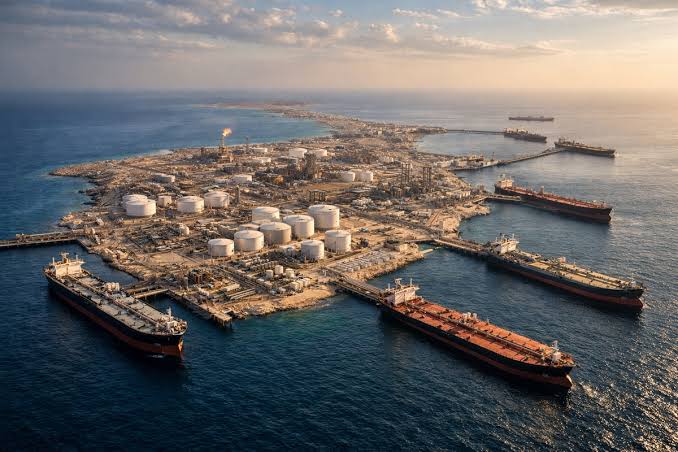
The war has entered a more ambiguous and more intense phase after Trump shifted the center of gravity from striking Iran’s broader military infrastructure to hitting an extremely sensitive node: Kharg Island. In his latest remarks and Truth Social posts, the U.S. president presented a staged victory narrative: first, he said the United States had destroyed military targets on Kharg, then he raised the ceiling by saying Iran is completely defeated and wants an agreement he will not accept, after days of saying the war had effectively been decided and that Washington did not want to leave early before finishing the mission.
This sequence shows that Trump’s rhetoric now ties together 4 messages at once: destroying Iran’s capabilities, denying the need for a quick settlement, keeping the option of strangling Iranian oil on the table, and linking any further escalation directly to freedom of navigation in Hormuz. In practical terms, Kharg has entered the map as a node linking military war to economic war.
Detail
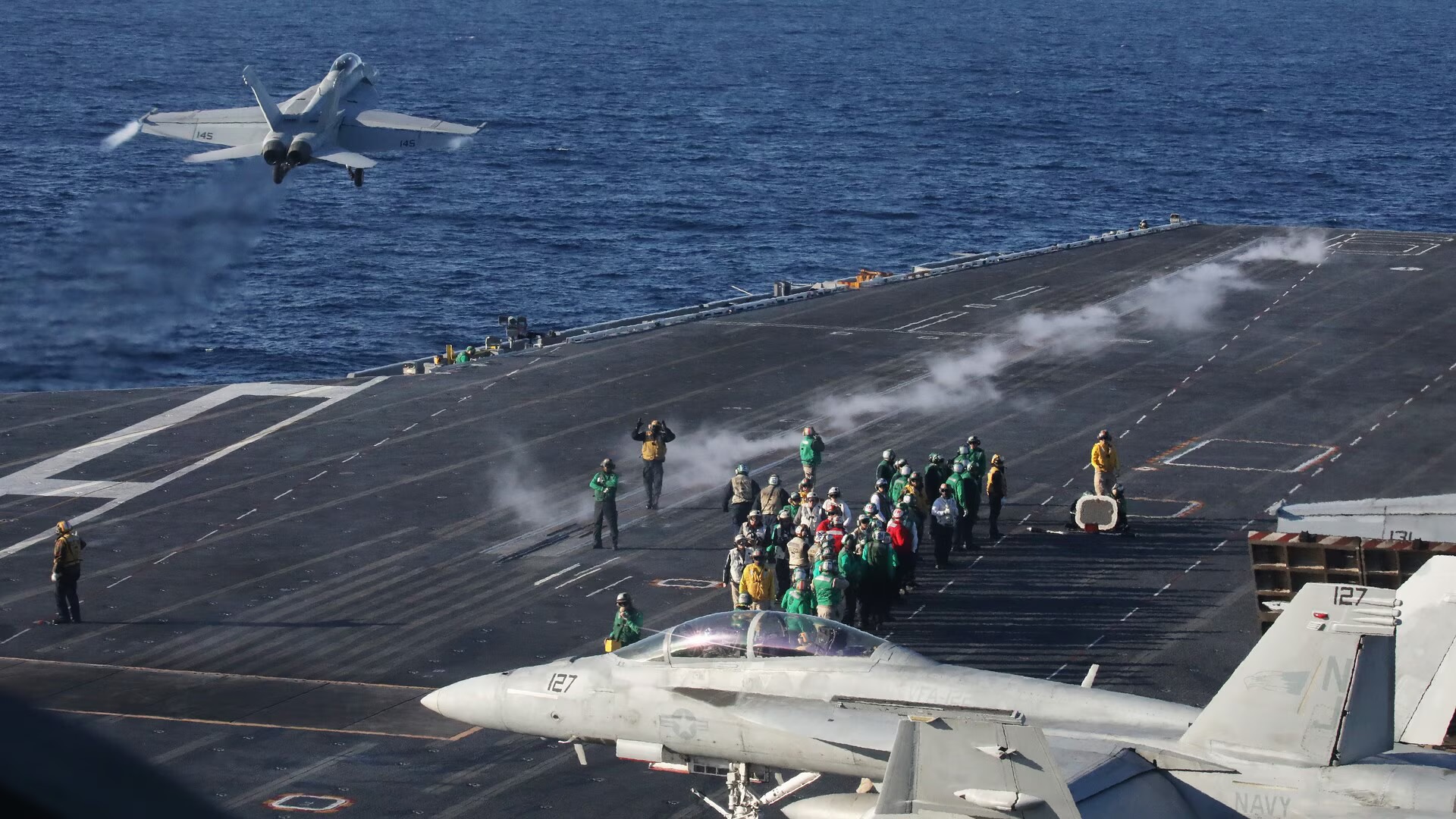
Trump said U.S. Central Command had carried out one of the most powerful raids in Middle East history, and that every military target in Iran’s oil jewel had been wiped out, while oil facilities were left outside the scope of this round. He then returned to threaten that this exception could be dropped if Iran or any other party interferes with the freedom and security of ship passage through the Strait of Hormuz.
This means the strike was a dual deterrence message: hit military capability now, while leaving the strangulation of Iran’s economy as a ready option for the next phase.
Kharg is the headline of the new page!
The island through which around 90 percent of Iran’s oil exports pass, making it the single most important node in Iran’s wartime economy. Therefore, targeting military objectives there, while avoiding oil infrastructure for now, sends the message that Washington wants to keep pressure at the edge of suffocation without immediately moving to the full destruction of the export route.
The New York Times and The Washington Post made that meaning clear: striking Kharg puts pressure on Iran’s economic center of gravity even if the storage tanks and port facilities themselves have not yet been hit.
Iran is completely defeated in Trump’s rhetoric, not in the final facts!
Trump’s statement that Iran is completely defeated is the peak of his escalatory rhetoric, but it is not a final judgment on the battlefield. In other words, the American president is speaking in the language of decisive victory, while his conduct on the ground indicates that he is still dealing with a war unfolding in stages.
Iraq enters the serious phase!
The early Saturday attack on the U.S. Embassy compound in Baghdad, including the reported strike on a helipad inside the compound, means Baghdad has become a direct point of contact between the regional war and the proxy networks. This ends the phase in which Iraq could remain in the gray zone, because any expansion in targeting U.S. interests, bases, or diplomatic centers will push it deeper into the heart of the confrontation rather than leave it hesitating on the margins.
Reports of al-Hamidawi being targeted, with no independent confirmation so far!
At the same time, Iraqi local platforms and accounts circulated reports that Abu Hussein al-Hamidawi, the most important man in the Popular Mobilization Forces after its formal chief, and the leader of Kataib Hezbollah, was targeted during a meeting at his brother’s house in Baghdad. But up to the moment this report was prepared, no independent confirmation or official statement has emerged confirming reports of his death, while conflicting local accounts appeared, ranging from claims that he was wounded to outright denials of the story.
Lebanon is turning into a long ground battlefield!
Lebanon, for its part, is moving toward a heavier phase. Israel has expanded its operations, struck the heart of Beirut, destroyed a bridge over the Litani River, and threatened Lebanon with broader destruction if Hezbollah is not disarmed. On the other side, reports said the group has returned to guerrilla tactics and is positioning itself in anticipation of a wide Israeli invasion, while other reports spoke of Israel sending forces into the south and heavy fighting taking place there.
The Gulf pushes back as fire moves closer to economic centers
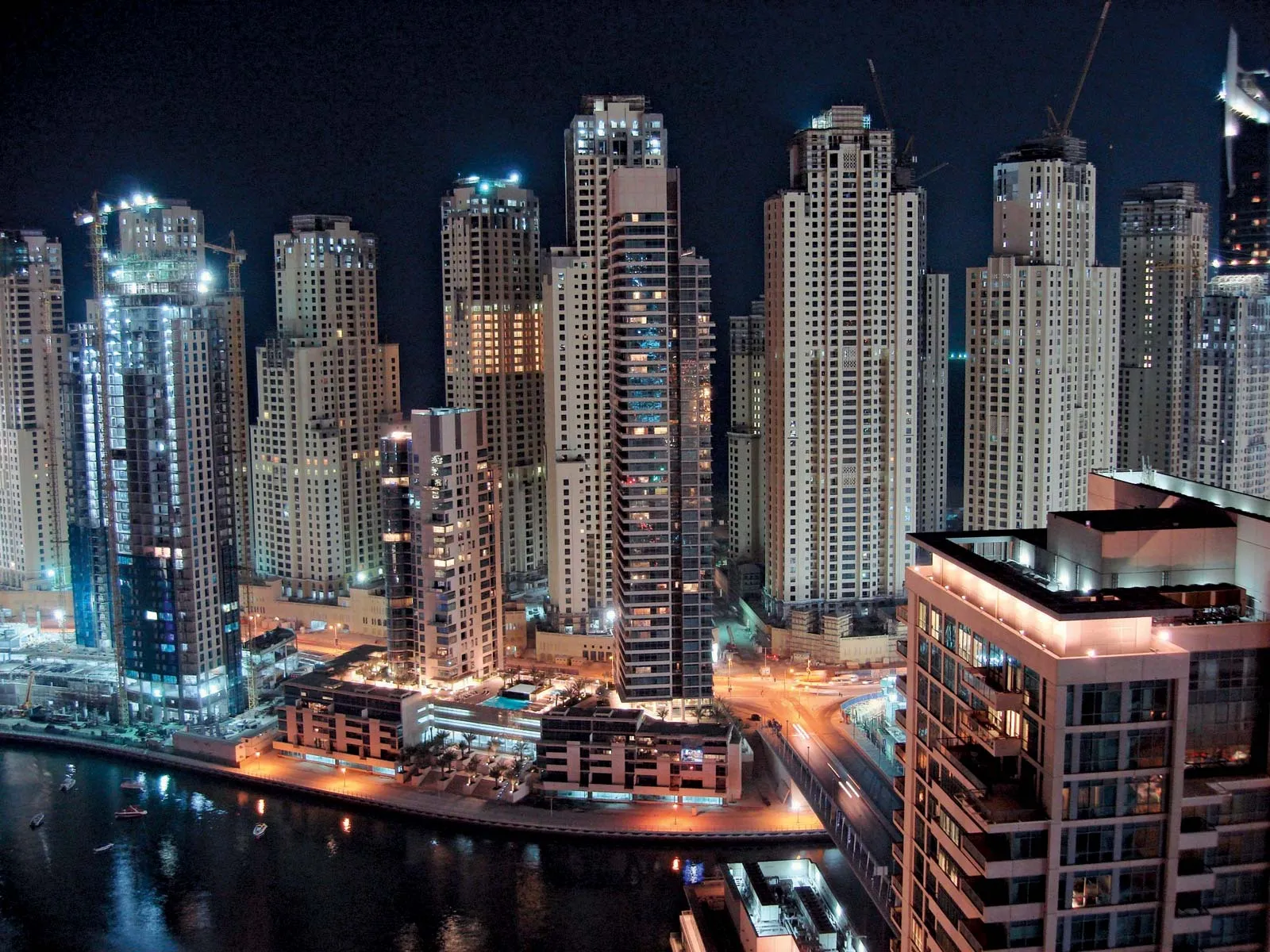
In the Gulf, a new equation is being confirmed: the attacks revolve around airspace, cities, economic centers, aviation, and shipping. Reuters documented very high numbers of missile and drone interceptions over the UAE, Qatar, Bahrain, Kuwait, and Saudi Arabia. It also reported that the disruption caused by the aerial attacks affected flights and stock markets, while images and reports showed minor collateral damage around Dubai and the سقوط of drones near its main airport.
Iran and Israel: the missiles continue and the breaches remain!
On the Iranian-Israeli front, some Iranian missiles breached layers of Israeli defense and caused fires, damage, and casualties, while interceptions continued in the skies above Tel Aviv, Ashkelon, and other areas. At the same time, the United States and Israel continue pressing Iran internally and targeting shipping and energy flows, turning the war into a multi-layered attrition battle: missiles, air defenses, shipping, tankers, and oil corridors.
The war’s transformation into an economic weapon
The most dangerous thing Iran has done at this stage.
What next?
Will Kharg remain under the ceiling of military targeting, or will it move into a phase of strikes on export and storage facilities. If that happens, the war will enter a new stage in which Iran comes under suffocating economic pressure, Iraq becomes more exposed, Lebanon turns into a heavier ground front, and Gulf cities, shipping, and energy remain under daily test.