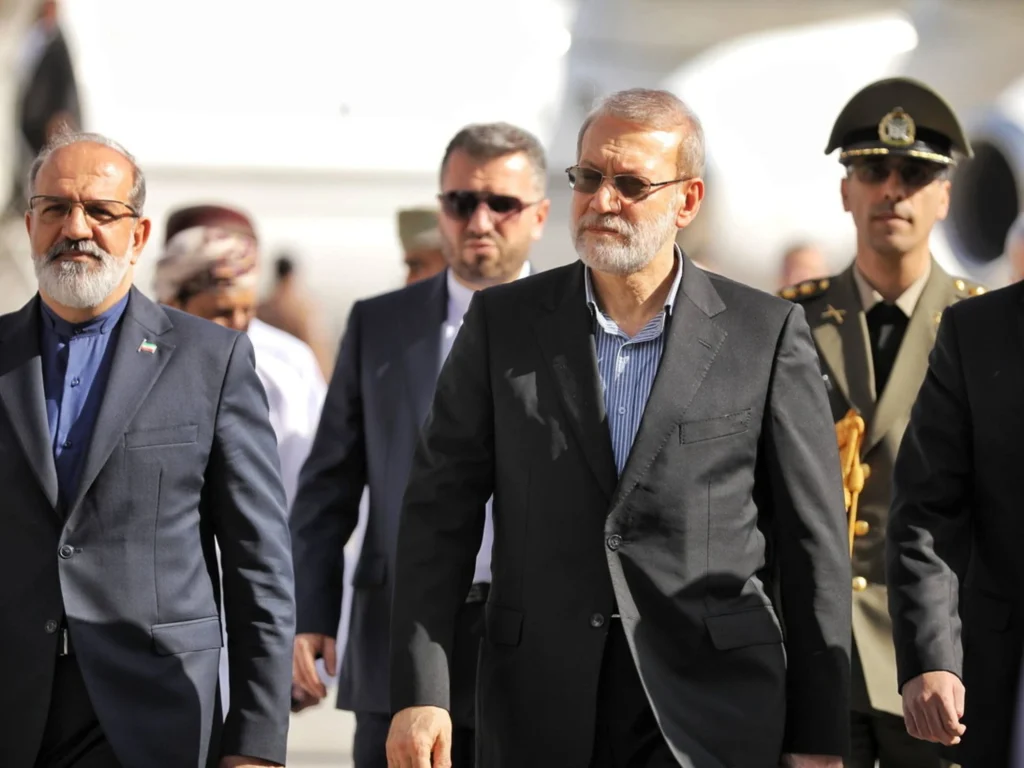
The picture is now converging around one fact: the war is pressing on the entire region all at once.
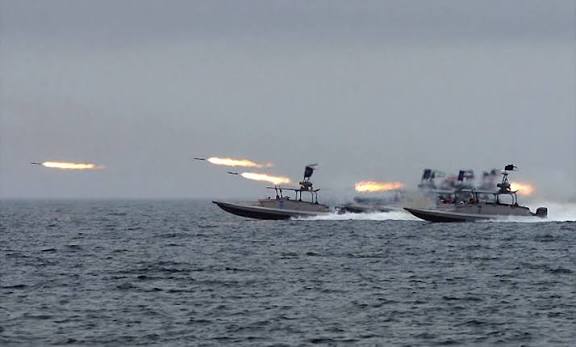
The Gulf is facing a direct test, with missile and drone attacks hitting both the security and oil spheres, while Hormuz remains the single greatest threat point for the global economy.
Baghdad has remained on high alert after attacks near the Green Zone and the perimeter of the US embassy, while the Israeli ground incursion into southern Lebanon has opened a new path for the war to widen on land.
On the Strait front, the crisis is still waiting for a solution.
Some tankers have managed to pass through, but that has not removed the danger, as shown by oil rising again by around 3% today, with Brent crude climbing to $103.28 a barrel, at a time when some regional producers have seen their pumping capacity reduced after strikes, fires, and growing security fragility around export lines.
Across Gulf cities, Iranian attacks are hitting airspace and oil infrastructure, pushing states to intercept drones and missiles and to close their airspace temporarily. Although Gulf states are still acting defensively for now.
In Baghdad, the night was anything but normal.
The attacks near the US embassy and around the Green Zone confirmed that Iraq remains one of the arenas most vulnerable to a rapid slide if the parties decide to shift the confrontation from limited messaging to open-ended attrition.
As for Lebanon, it has entered a more dangerous phase.
Israel is opening a ground front in the south, and the possibility of an invasion is rising.
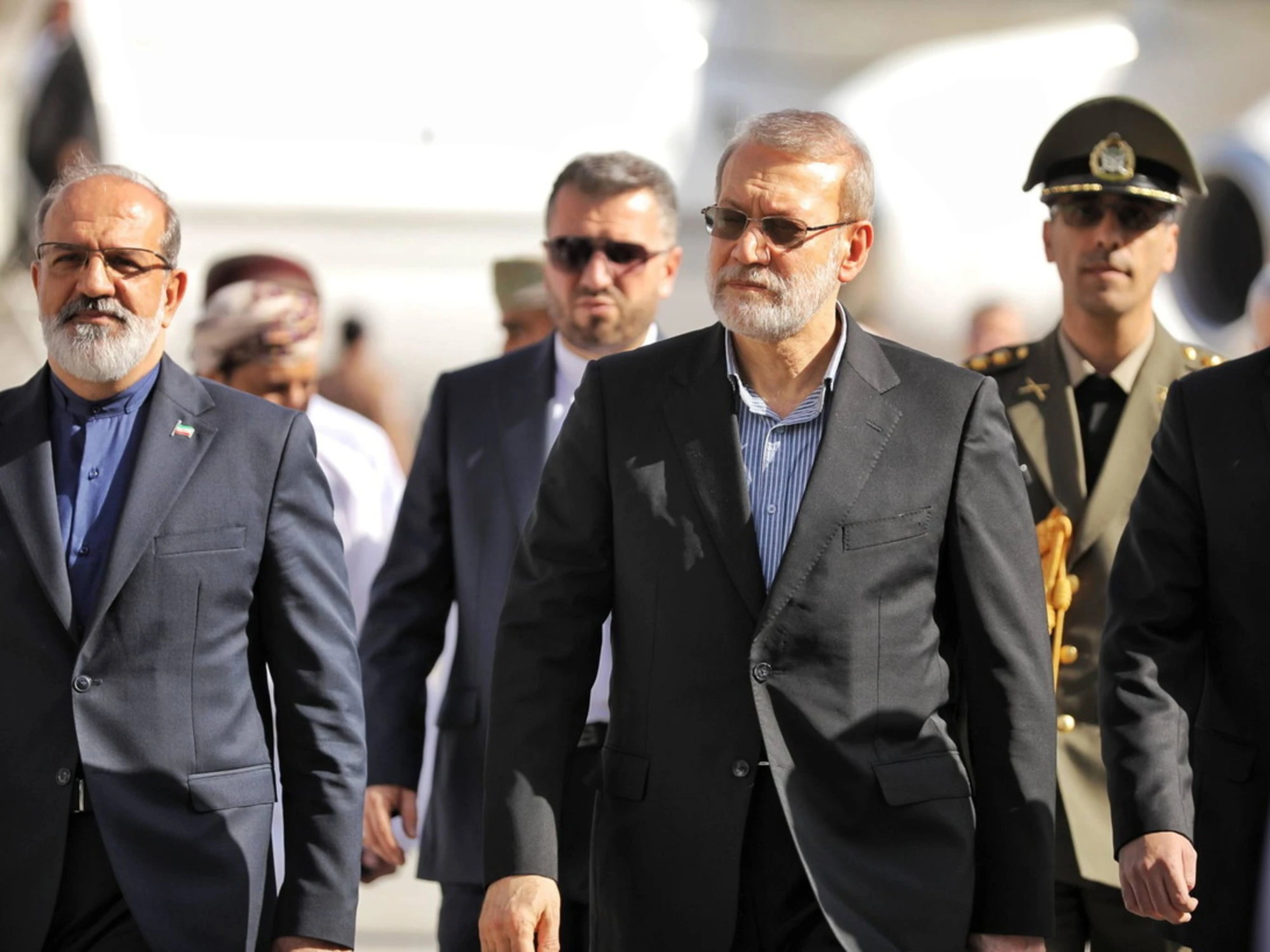
The most ambiguous development so far concerns Ali Larijani.
Israeli media say Larijani was among the targets struck inside Iran last night, but there is still no confirmed account of his fate, whether he was killed, wounded, or survived. Placing his name at this level of targeting points more directly toward the upper political-security circle.
What next?
What is most likely in the near term is not a comprehensive truce, but the continuation of a simultaneous pressure equation:
pressure on Hormuz to raise the economic cost, pressure on the Gulf to widen deterrence, pressure on Baghdad to prevent the stabilisation of the US front, and pressure on Lebanon to break up the support front. But the real blockage so far remains political: Washington wants a broader naval coalition, allies remain hesitant, markets are waiting, and the region is paying the price hour by hour.