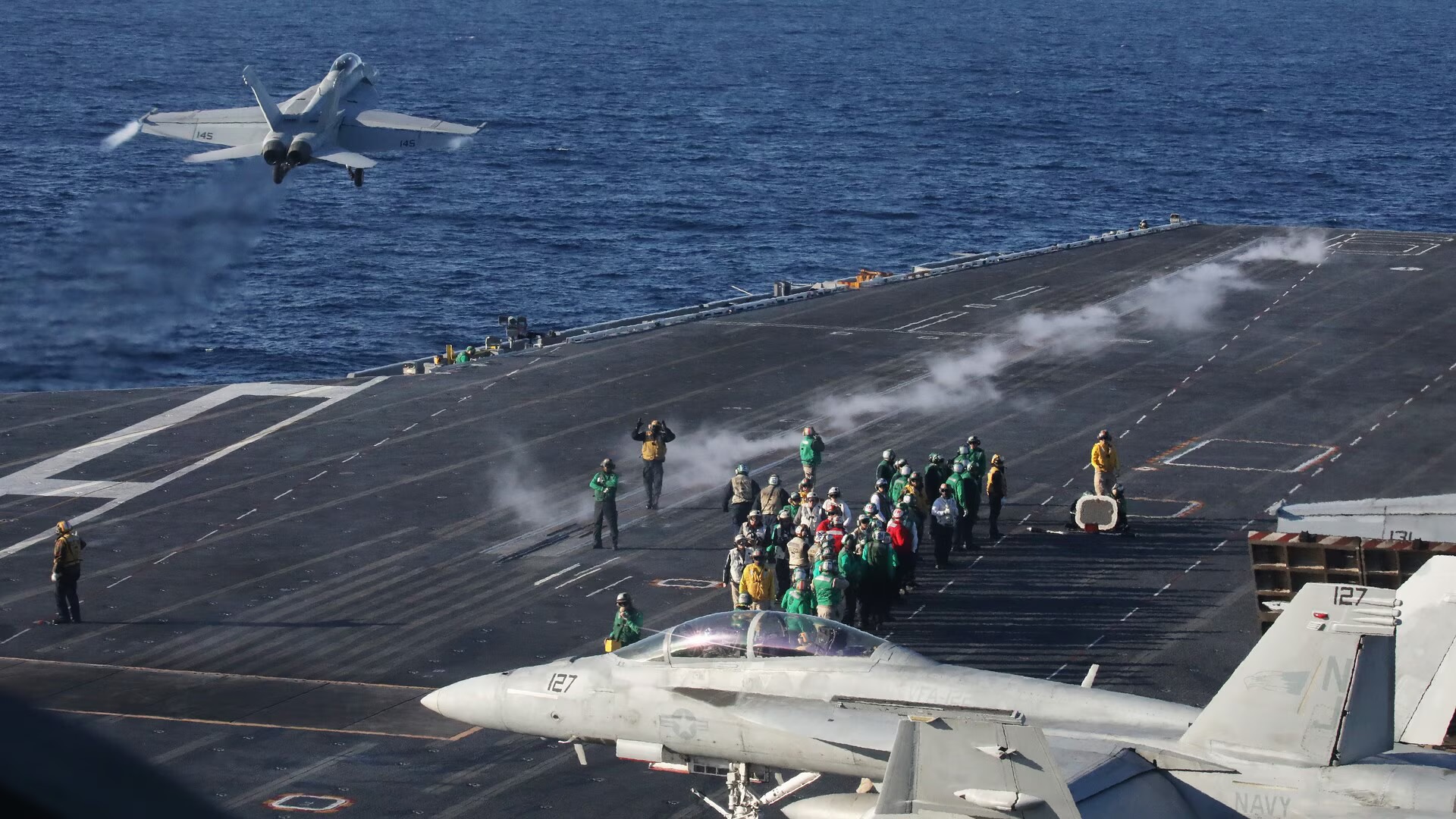
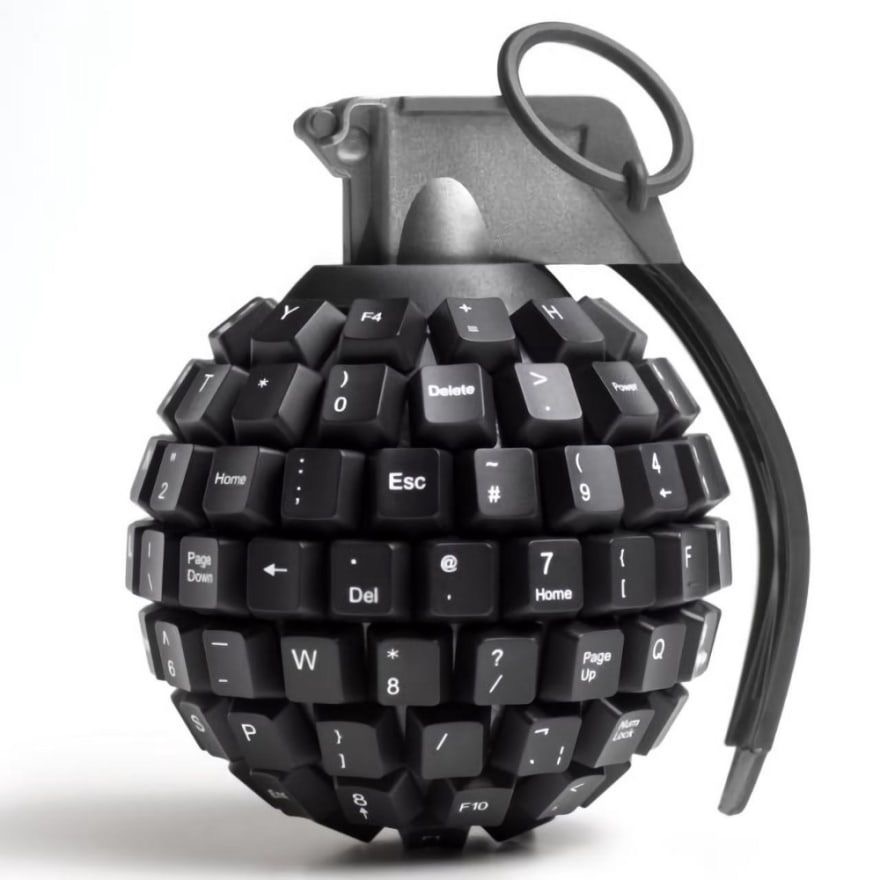
The current war with Iran has opened a parallel front online, with Iran-linked and pro-Iran groups moving against American and Israeli targets, while Washington and Tel Aviv are also resorting to advanced cyber and intelligence tools inside the Iranian arena itself. According to the report, this digital battle is unfolding in parallel with direct military strikes and aims to disrupt companies, services, and information infrastructure while raising the political and security cost for opponents.
Detail
According to Axios, the Stryker incident emerged as the latest sign that Iranian pressure is reaching inside the United States. The company acknowledged a global disruption in its network linked to a Microsoft environment, but said it had found no evidence of ransomware or malicious software and that the incident was now under control. Axios also reported that the same group claimed to have targeted Verifone, but the company said it found no evidence of a breach or service disruption.
In the opposite direction, the Israeli military had previously announced that it targeted sites in Tehran that it said housed cyber and intelligence headquarters belonging to the Islamic Revolutionary Guard Corps. Reuters also reported the hacking of a widely used Iranian religious app and several news websites inside Iran in the aftermath of the U.S.-Israeli strikes, at a time when Iran’s near-total internet blackout limited the flow of information to the outside world.
Axios added that cybersecurity companies had detected an increase in activity by pro-Iran groups since February 28, including groups targeting critical infrastructure and financial sectors, with some Russia-aligned pro-Iran actors involved in attacks on Israeli institutions. It also cited the Center for Strategic and International Studies as saying that Iran has relied for years on cyber operations and digital proxies because it lacks symmetrical conventional options in confronting the United States and Israel.
What Next?
The most important indicator now is that the cyber front has become an accompanying instrument of the war itself. If the fighting expands on the ground, attempts to hit digital infrastructure, financial services, and communications inside the United States, Israel, and countries across the region will most likely expand with it.