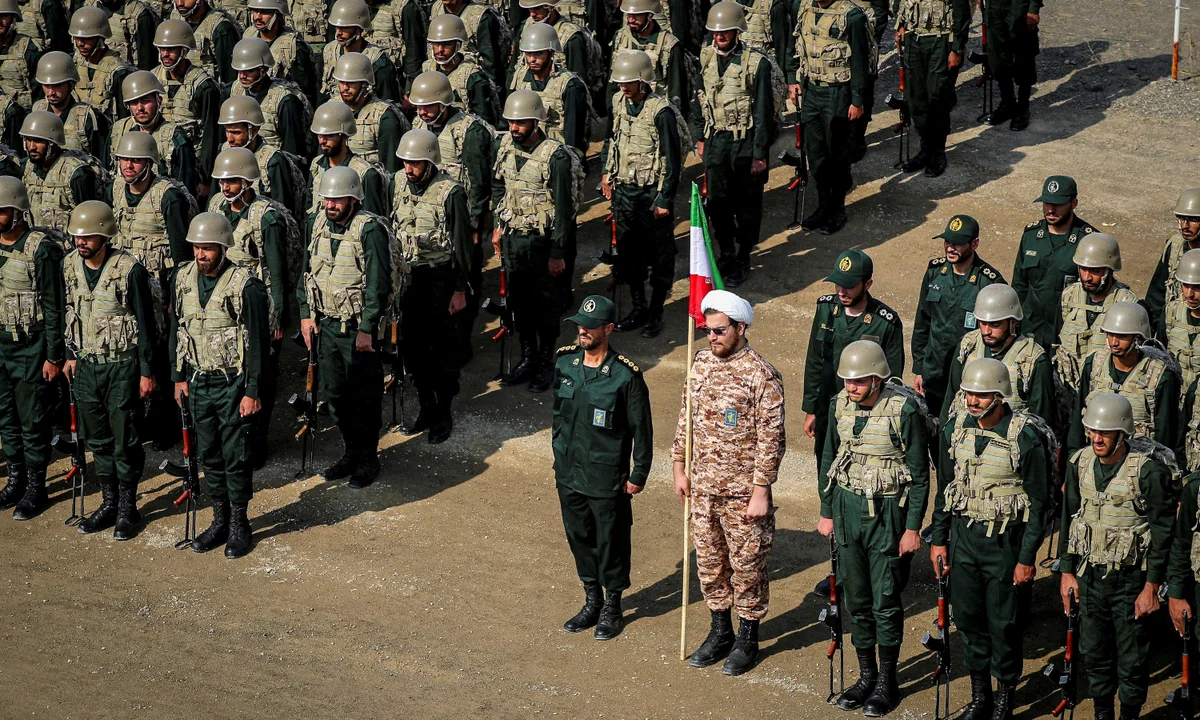
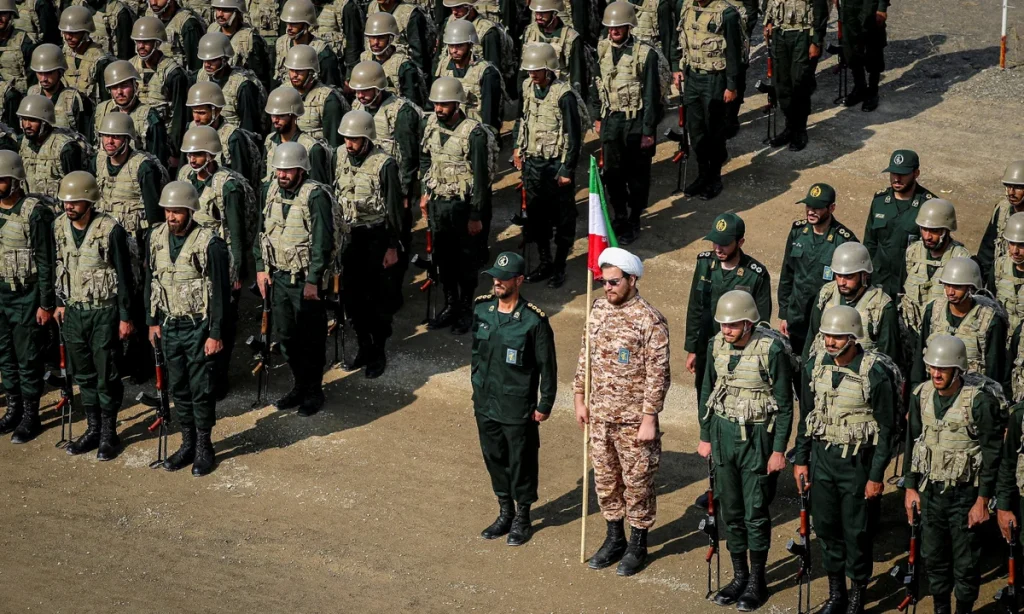
The IRGC does not operate like a conventional army that waits for orders from the capital and then moves. What Iran has built over the past years is a model closer to an interconnected local network, designed to remain capable of fighting and maintaining control even if the center itself is paralyzed. This is what specialist studies describe as the Mosaic Doctrine, or combat mosaic, a system that distributes force geographically and prevents the structure from collapsing through a single strike at the head.
Detail
The core idea is simple:
• The top leadership sets the doctrine and political line.
• The provinces handle local execution.
• The Basij turns that execution into a daily presence in cities, neighborhoods, and villages.
In practice, studies indicate that the IRGC Ground Forces were organized around 31 provinces, but Tehran received special treatment, with the city separated from the rest of the province, bringing the effective total to 32 geographic units. This is why both numbers, 31 and 32, appear in analytical literature.
But the real picture is much broader than that. Those units represent only the top layer. Beneath them stretches a dense network of Basij zones, local districts, and mobilization bases. Some studies estimate them at thousands of zones and more than 54,000 Basij bases across the country. That means decentralization does not stop at the provincial level. It extends down to the city, neighborhood, and village.
This structure allows the IRGC to perform more than one function at once:
• local defense if the country comes under attack.
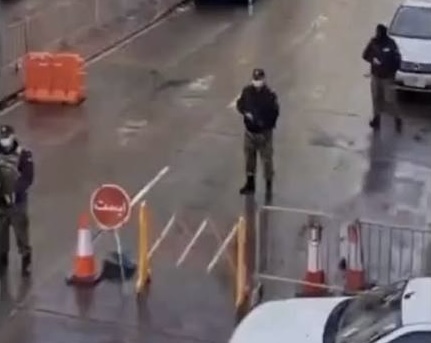
• rapid suppression of protests inside the provinces.
• compensation for any disruption in central command.
• maintaining a security presence even if major centers are struck.
This is where the importance of the Basij comes in. It is the arm that gives the IRGC its broad presence on the ground. U.S. Defense Department reports say the Basij has become a core part of Iran’s internal security apparatus, with roles in domestic control, unrest suppression, and support for IRGC formations at the provincial level. It also includes battalions and specialized units for local security, rapid response, and dealing with internal threats.
Why did Iran choose this model?
The answer is tied to two kinds of fears at once:
• an external strike targeting the top leadership.
• a large internal upheaval such as the protests of 2009 and what followed.
That is why decentralization was first designed as a means of survival in war, then also turned into a tool of domestic control. In other words, the system also wants to ensure that its organs remain capable of controlling the streets even if the capital is disrupted or central command lines are partially cut.
What does the intelligence reading reveal?
It reveals that the IRGC does not rely on firepower alone. It has an architecture of institutional survival. A strike on the senior leadership may disrupt the structure, but it is not enough on its own to stop it. Each province retains a degree of operational ability, and each zone has tools of mobilization, suppression, and response. That helps explain why this structure appears cohesive in moments of unrest.
But this model does not come without a cost. The more authority is expanded at local levels, the greater the risk of miscalculation or uncontrolled escalation. Some analysts believe decentralization gives the IRGC major flexibility in survival, but makes full control over the operational tempo more difficult, especially in moments of war or political confusion.
What next?
Any future assessment of the IRGC’s ability to withstand pressure should not focus on Tehran alone. The more important question is: how many local nodes remain able to function if the center is struck? That is where the strength of this structure lies. It does not rest on one head alone, but on many limbs trained to keep operating when the head itself comes under danger.