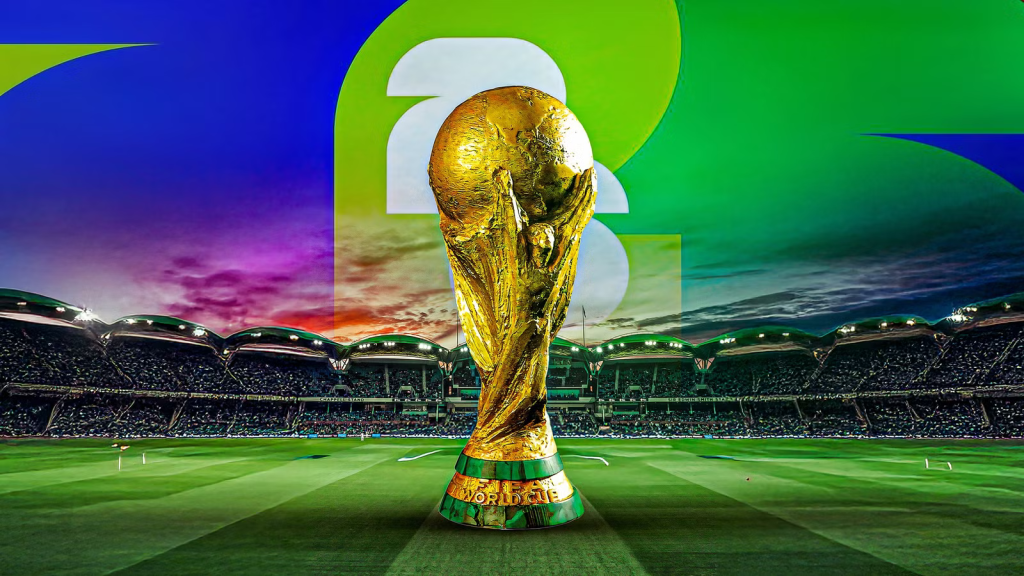
Twelve groups, and the Middle East already inside the picture
The draw has produced an early framework, even if a few slots remain dependent on play-offs. What the draw does, immediately, is shift planning from abstraction to specifics: opponents, travel, pacing, and the likely “key match” within each group that determines whether a campaign becomes credible.
Under the 48-team structure, the logic of qualification changes. There are more pathways, but also fewer “comfortable” openings. A slow start becomes more dangerous in a larger field; you can still qualify, but you may do so into a harsher knockout route.
Why the calendar matters as much as the draw
The tournament’s timing puts a heavy premium on physical freshness and squad depth. A player arriving from a bruising European season with limited recovery can quietly lose the marginal explosiveness that decides knockout football. The best national teams will not merely bring the best players; they will bring players arriving at the right moment, with the right workload, and with injuries managed months in advance.
How the draw should be read in our region
For Middle Eastern teams, the draw is not a verdict. It is a planning document. The most serious question is not “who is stronger?” but “where are the points realistically available?” Every group tends to contain a match that sets the psychological temperature: win it and the team plays with oxygen; lose it and the rest becomes suffocating.
One reading that links everything
Clubs manufacture confidence; national teams collect it
The simplest way to connect the weekly European races with the World Cup map is this: the Big Three leagues are factories of mentality.
- England teaches winning under relentless pressure and physical intensity.
- Spain teaches controlling games, managing tactical details, and surviving uncomfortable away days.
- Italy teaches match management, defensive intelligence and the craft of winning tight contests.
The World Cup draw has placed the Middle East on the global canvas early, but it has also delivered a sober reminder: in a 48-team tournament, there are more opportunities, yet fewer soft landings. For our teams, the work begins now—through fitness management, tactical clarity, and careful planning that treats the remaining club season not as a separate story, but as the runway for June and July.
If Europe is where form is forged, the World Cup is where it is judged.