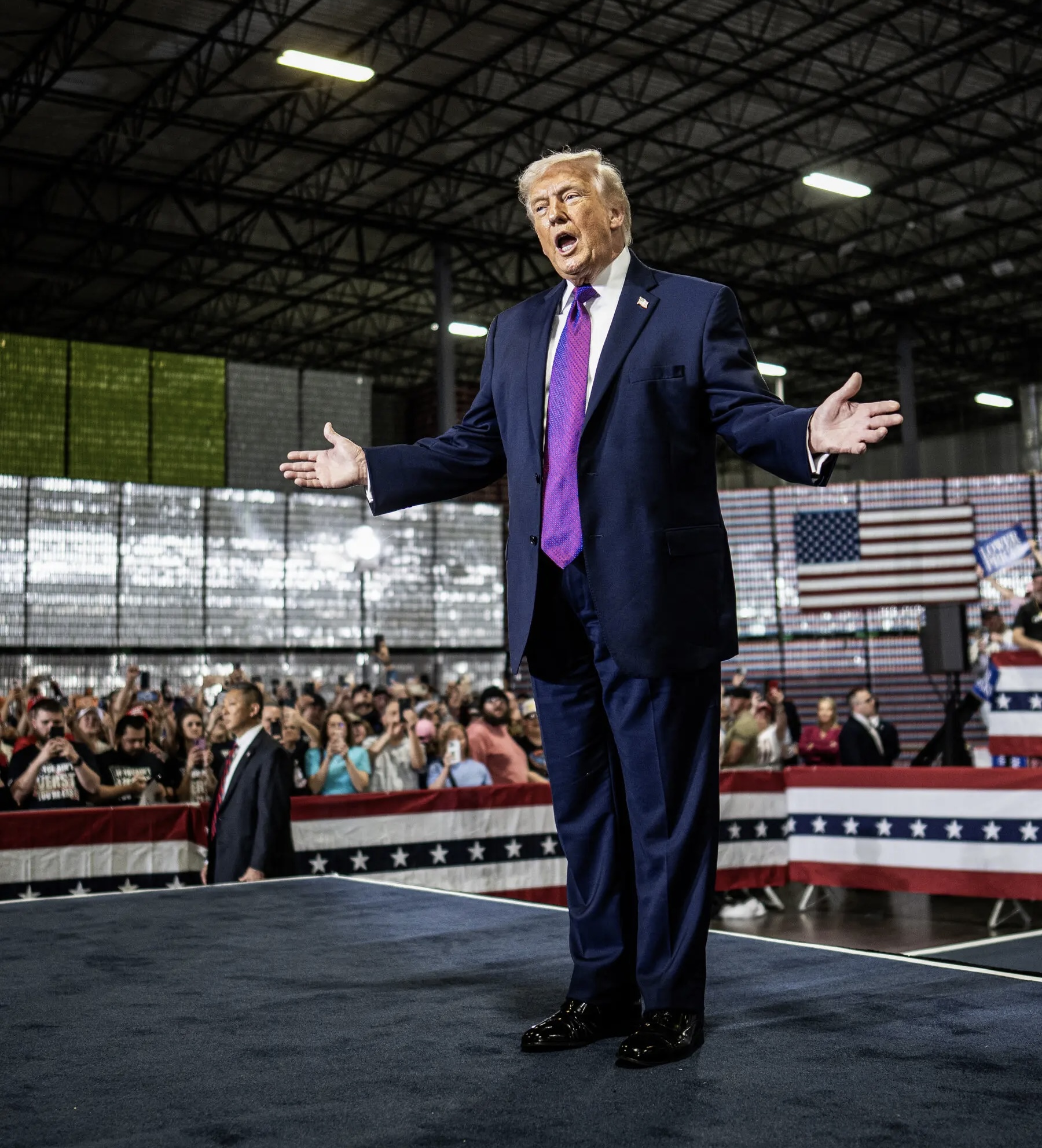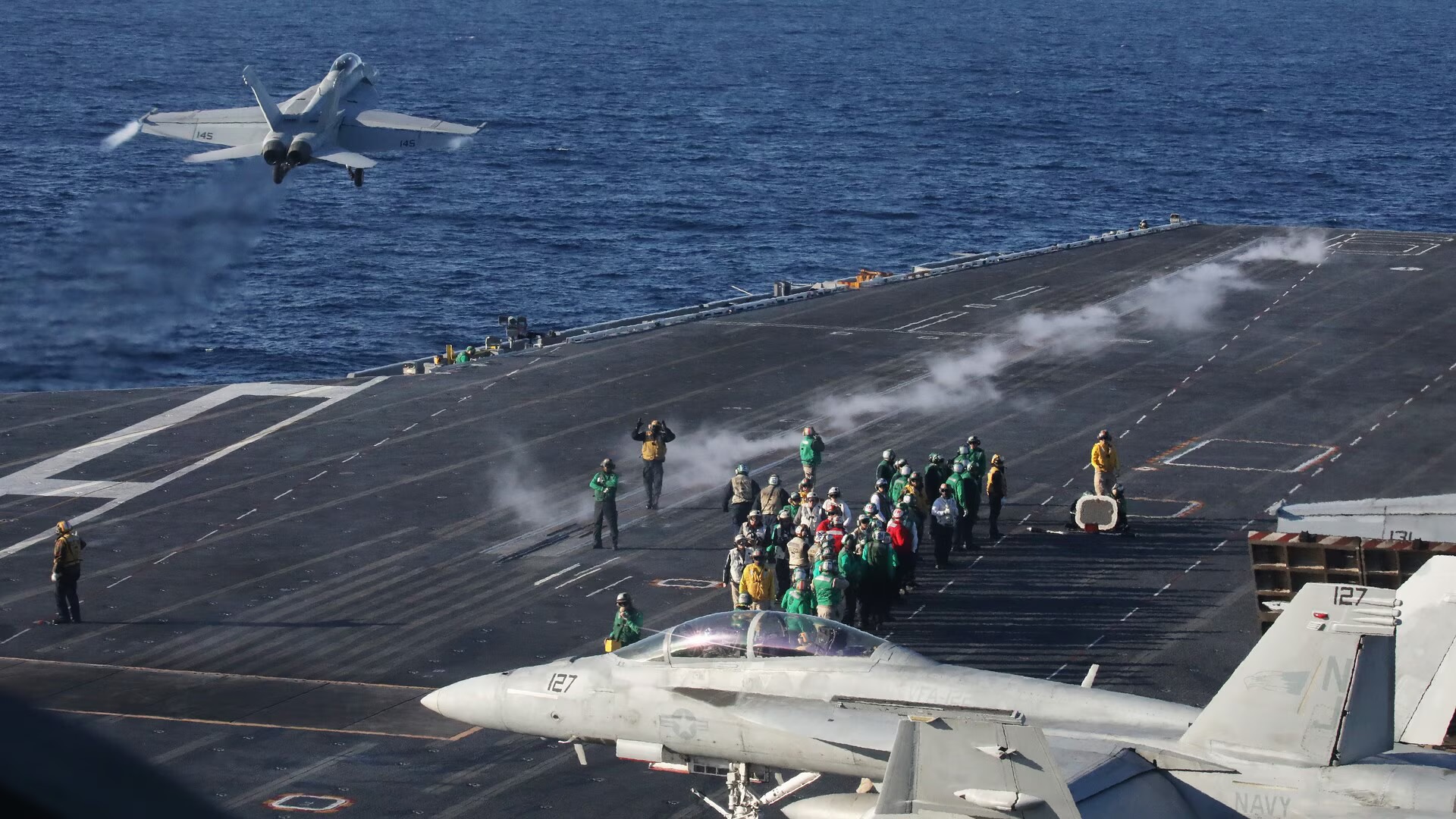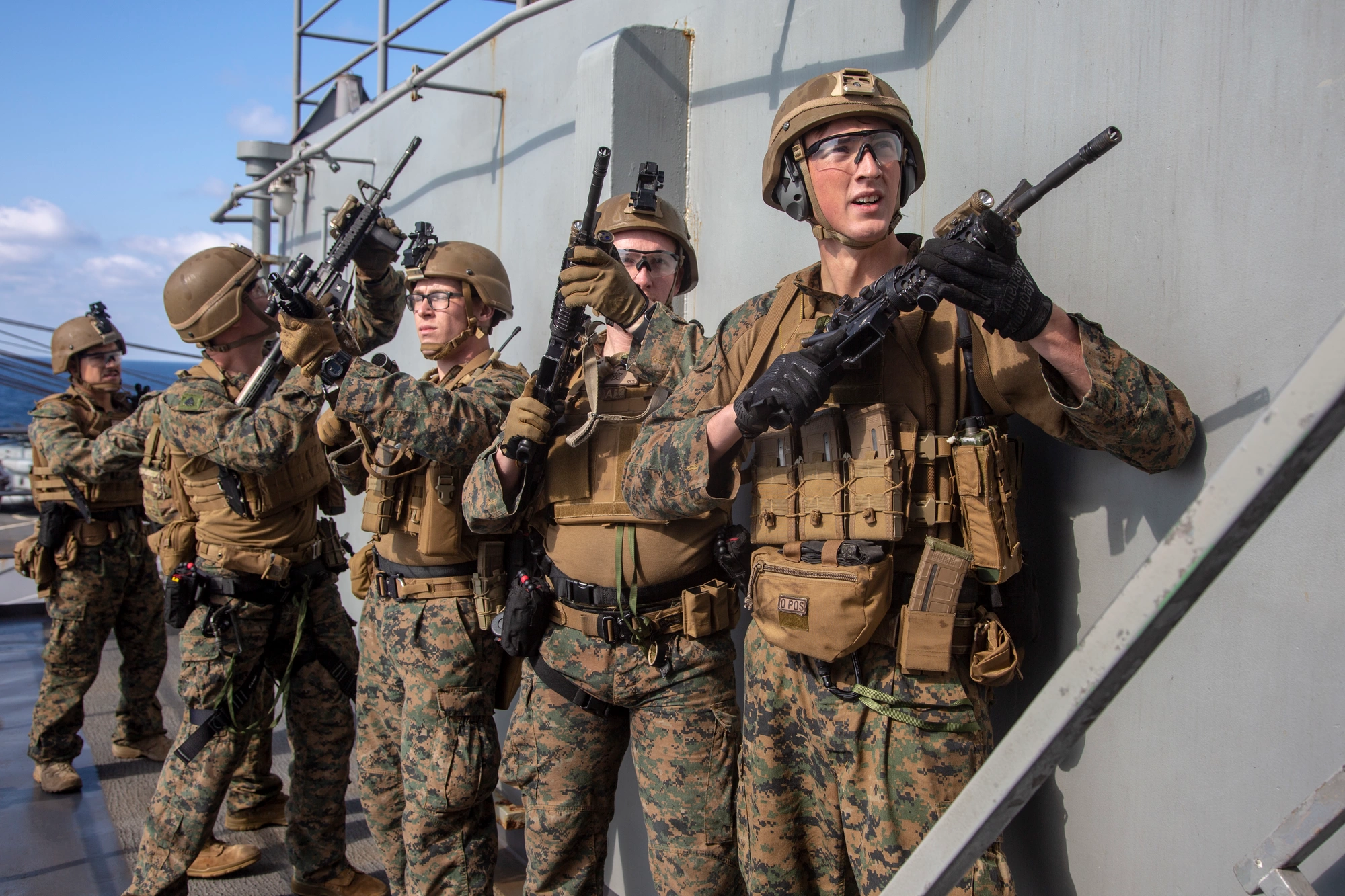
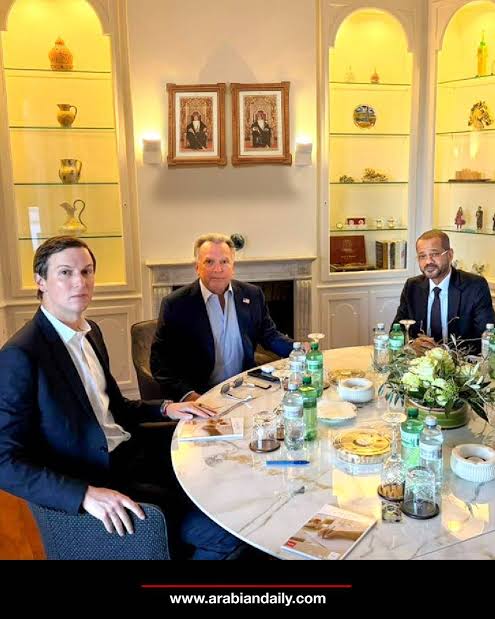
Reuters’ account makes clear that Muscat is still trying to play the role of a political passageway between Washington and Tehran, despite being subjected to repeated attacks, but the moment for mediation has not yet matured from the White House’s point of view. According to the report, Oman tried more than once to open a line of communication, but the Trump administration told mediators it is not interested for now, and that the priority is to keep up the military pressure!
It is well known that before the war, Oman had already hosted rounds of US-Iran talks, and later said that those talks had achieved real progress. Its foreign minister also stressed in early March that the door to diplomacy remained open, before later calling for an immediate ceasefire and a return to responsible diplomacy.
Detail
What is being circulated as an Omani peace initiative is more accurately described, according to Reuters, as:
• an attempt to open a line of communication
• or to launch a preliminary negotiating track,
rather than the presentation of a fully formed initiative with agreed terms.
The same reporting suggests that the US rejection is tied to the military and political calculations of the current moment. The administration believes the time for a ceasefire has not yet come, and that it is still in the process of further weakening Iran militarily.
Reuters also pointed to divisions inside Trump’s inner circle: some are concerned about the political cost and rising oil prices, while others are pushing for the assault to continue.
On the other side, Iran says it has rejected several mediation efforts on the condition that the strikes must stop first. Other demands reportedly include compensation and guarantees against renewed attacks. If that is accurate, it means that both sides, each for its own reasons, do not see the current ceasefire push as the right moment to climb down.
What next?
The immediate result is that Oman is still present in the picture, preserving a channel that could be used later if battlefield calculations change. Until then, the window for de-escalation is likely to remain narrow as long as the White House believes it still has more military cards to play, and as long as Tehran ties any de-escalation to stopping the attacks and securing a clear political return.
(Analysis)
The deeper significance of this story is that everyone still needs Oman, but no one wants to use that channel yet. Washington does not want to look like it is stopping the war before extracting the greatest possible military gains. Tehran does not want to enter negotiations under fire without a clear price. Between those two positions, Omani mediation becomes a mechanism for preserving a line of retreat. That in itself is an important signal: the door is not completely closed, but it is not wide open either!