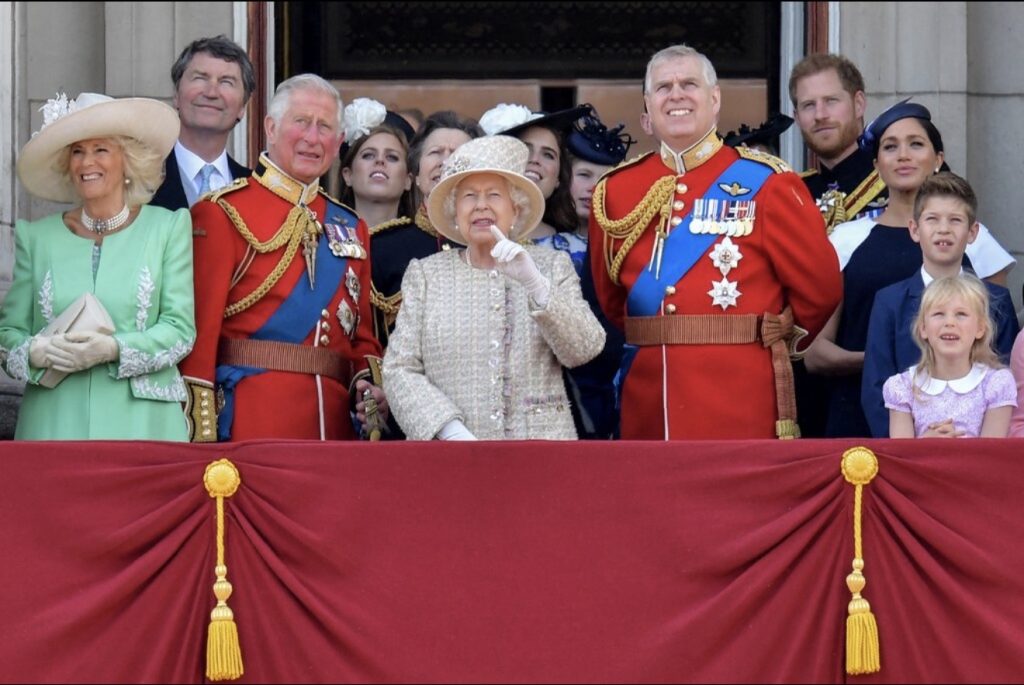
Windsor has become the backdrop to a fast-moving royal crisis, with news crews stationed near royal residences and locals debating what Andrew Mountbatten-Windsor’s latest legal troubles mean for the monarchy’s standing after Queen Elizabeth II’s death.
British police said they have completed a search at a former Berkshire property connected to Andrew Mountbatten-Windsor, the younger brother of King Charles III, days after Andrew was arrested and later released as part of an investigation into misconduct in public office. Reuters reported that the investigation is linked to Andrew’s relationship with the late U.S. sex offender Jeffrey Epstein, and to allegations he may have shared confidential government material during his time as a trade envoy.
The legal track remains unresolved. Associated Press reporting on the broader UK debate says lawmakers have now approved the release of confidential documents related to Andrew’s role as a trade envoy, reflecting rising political pressure for transparency and a tougher accountability posture around the royal household and the state’s dealings with senior royals.
Public mood: anger, sympathy, and shrugging indifference
Beyond the legal specifics, the Windsor street-level reaction captured by major outlets points to an increasingly split public: older residents and visitors often frame the episode as a family betrayal of Elizabeth II’s legacy, while younger voices and some locals express a broader disengagement from royal drama.
That generational fault line shows up in polling. Ipsos’ February 2026 royals polling indicates that only 28 percent of Britons think the Royal Family has handled the situation around Andrew Mountbatten-Windsor well, down from 37 percent in November 2025.
A constitutional pressure point is emerging
Even stripped of most public-facing royal roles, Andrew’s remaining constitutional status has become a political issue. The Guardian reported that ministers are considering legislation to remove him from the line of succession, though any move would come after the police investigation and would be procedurally complex.
The question now is simple but explosive: Does this scandal remain a contained criminal investigation, or does it force a wider institutional reset for the monarchy in the post-Elizabeth era?
The operational risk for the Palace is less about any single headline and more about cumulative legitimacy loss: repeated cycles of “royal silence” followed by reactive distancing can deepen scepticism among younger Britons, where attachment to the Crown is already thinner. Polling suggesting weak confidence in how the family has handled the matter is a warning sign, even if overall support for the institution remains resilient in the short term.
Sources: Reuters; ; Associated Press;