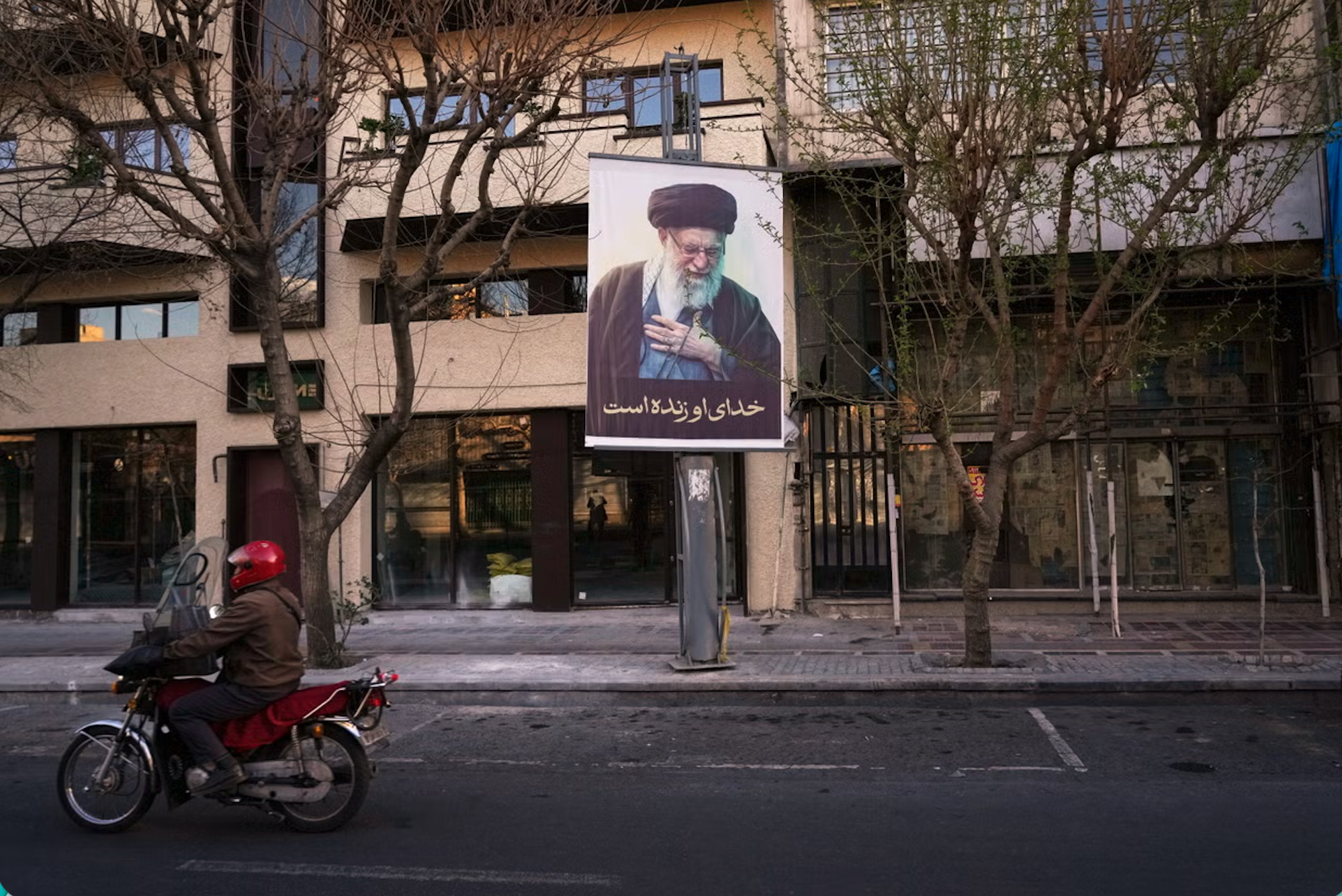
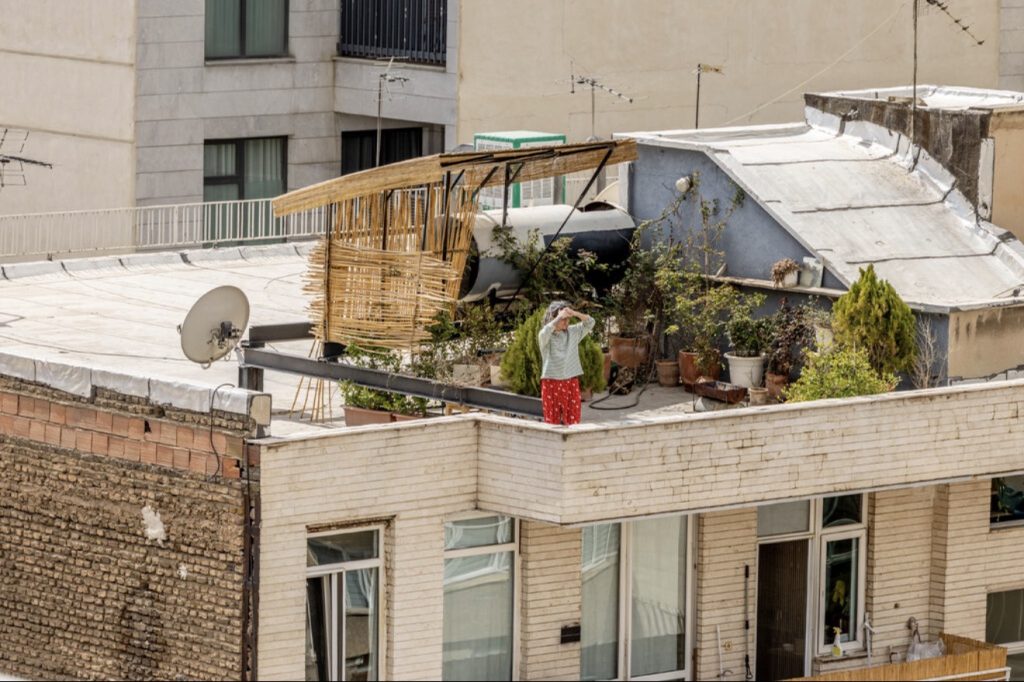
Farnaz Fassihi, the United Nations bureau chief for The New York Times, who also covers Iran and has reported on conflict in the Middle East for 15 years, wrote that Tehran was gripped by fear and confusion on Saturday morning as airstrikes jolted the capital at the start of the workweek.
According to witnesses interviewed by The Times, explosions shook the city and fighter jets streaked across the sky. In offices and residential districts, people fled buildings, traffic seized up, and ambulance sirens cut through the noise as families tried to move to safety.
Detail
• In multiple neighborhoods, residents reported at least two waves of jets overhead, followed by blasts that rattled windows and sent people running into the streets.
• Parents rushed back to schools they had just arrived at, with one witness describing students hiding and crying as administrators struggled to understand what was happening in real time.
• In the Pasdaran area, near a major Revolutionary Guards compound, residents reported repeated explosions and families huddling in bathrooms for protection.
• As local media reported strikes in other Iranian cities, telecommunications began to degrade, leaving some residents unable to contact relatives while fleeing.
• The Times noted that today’s strikes appeared broader than last June’s surprise attacks, with witnesses and local outlets citing political and security-linked targets in addition to military-related sites.
What next?
If strikes continue at the same tempo, expect more internal displacement within Tehran, heavier pressure on emergency services and communications, and heightened uncertainty over the scope of Iranian retaliation and how far the operation expands.