The war is stuck at a stage where the waterway is setting the terms. Washington is sending a new Marine force and additional ships from the Indo-Pacific theater to the Middle East at a moment when pressure on shipping in Hormuz is increasing and the cost of disruption is growing for energy markets and the global economy. At the same time, Tehran appears able to keep the threat alive even without a final resolution on the mining question, because fear alone has become enough to paralyze a large part of maritime traffic.
At the same time, a highly sensitive internal element is emerging inside Iran: the fate of Mojtaba Khamenei himself. While he issued his first statement after assuming the position, Iranian opposition outlets still say he remains absent from public view for reasons not fully disclosed, because no independent signs have emerged confirming his health or whereabouts. That has kept the issue suspended between an official reassuring narrative and wider doubts within the opposition environment.
Detail
1. What changed in the Strait of Hormuz?
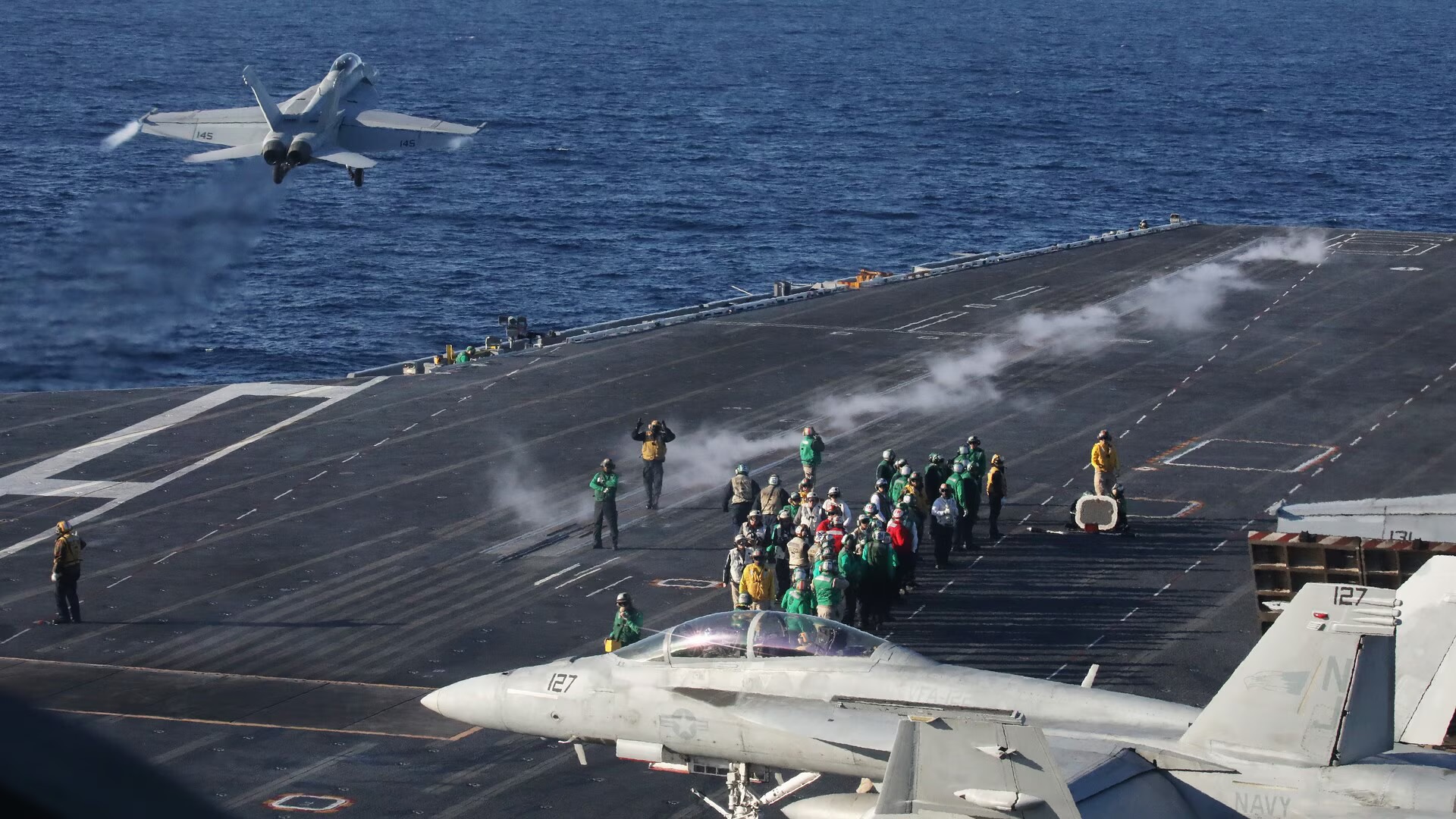
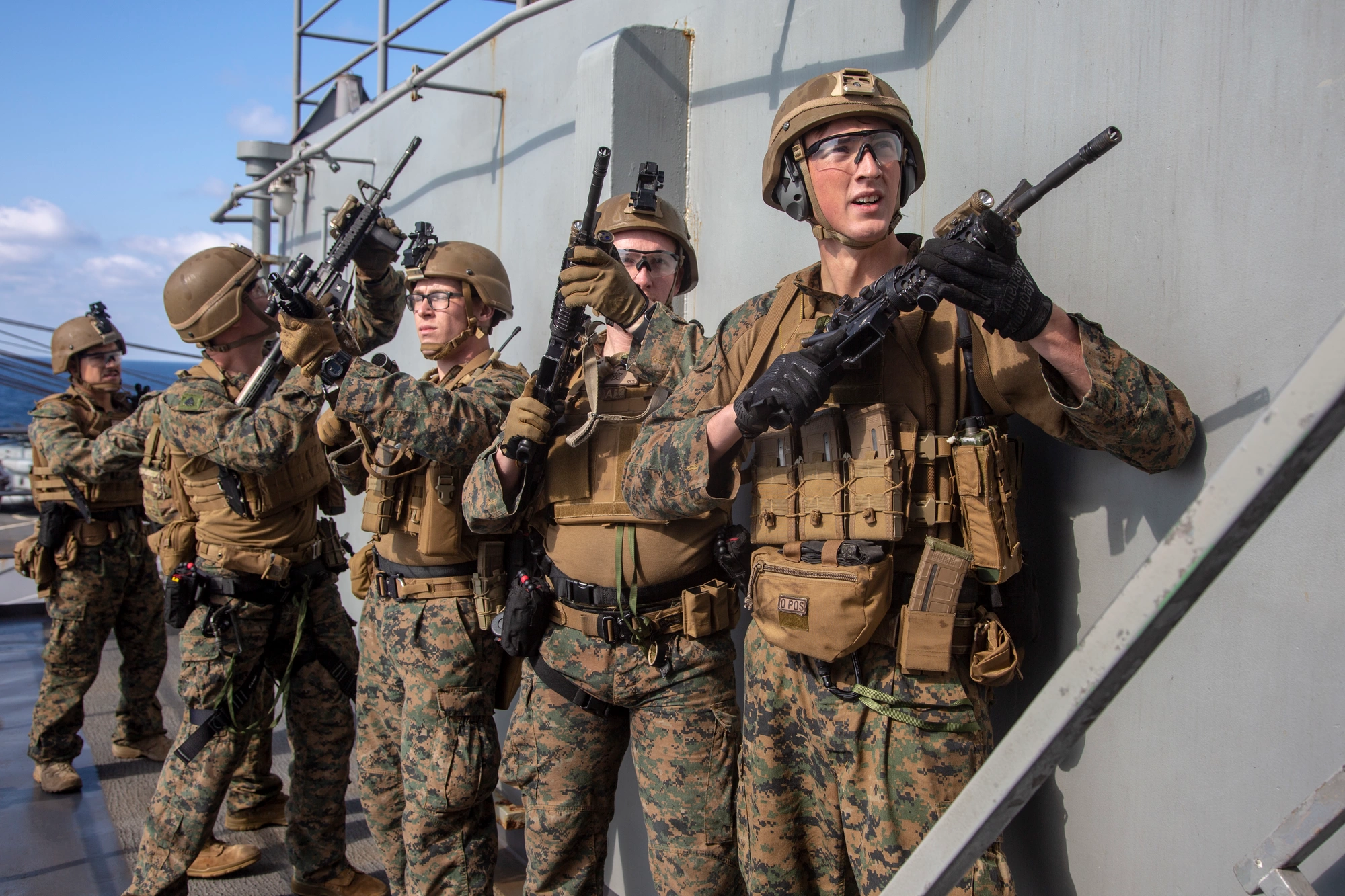
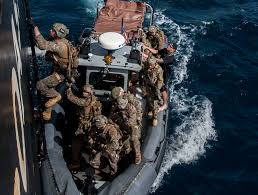
• The United States is sending around 2,500 Marines as part of an additional amphibious force to the region.
• The force includes capabilities suited for evacuation, protection of U.S. interests, and keeping vital maritime corridors open.
• The Pentagon says there is still no clear evidence that Iran has laid mines in the strait, but it has not denied the continuing danger to shipping.
2. How is the maritime market reacting?
• The Associated Press observed vessels near the Gulf and Hormuz changing their identification signals to phrases such as China owner and China owner & crew.
• The move reflects a practical attempt to reduce the risk of being targeted, on the assumption that China is viewed as less hostile than Western powers in this conflict.
• Estimates circulating in economic and media coverage still indicate that around 20 percent of the world’s oil passes through this strait, which explains the extreme sensitivity to any prolonged disruption.
3. The Israeli press
• The Israeli reading tends to see Hormuz as a tool that could prolong the war and force Washington to reorder its priorities.
• This means the key issue here is Tehran’s ability to keep the cost of war global and open-ended over time.
4. Iranian opposition media: where is Mojtaba Khamenei?
• Iran International says Mojtaba Khamenei issued his first statement after assuming the post, but stressed at the same time that there were no signs of his life, health, or physical condition.
• IranWire described the statement as having been issued from hiding, and presented it as a message aimed at consolidating power quickly during the war.
• It also quoted the son of Iranian President Masoud Pezeshkian as saying Mojtaba is safe and in good health, in what appeared to be a response to growing rumors about injury or whereabouts.
• But Iran International had earlier reported that Mojtaba remained out of public view after his appointment, while officials and defenders appeared on state television to confirm his presence, legitimacy, and suitability, and to calm the regime’s support base.
5. What does that mean?
• So far, there is no independent confirmation that Mojtaba Khamenei has been injured, killed, or removed from the scene.
• But the existence of a statement attributed to him, combined with the lack of a direct public appearance and the conflicting signals about his location and condition, has turned his case into part of the narrative battle inside and outside Iran.
What next?
1.If the Marine force begins positioning near maritime choke points, the first test will be whether Washington moves from deterrence to actual and regular convoy protection in the strait.
2.If Mojtaba Khamenei continues to avoid direct public appearance, doubts about his real ability to run the system during wartime will grow, even if he continues issuing statements or sending messages through official channels.