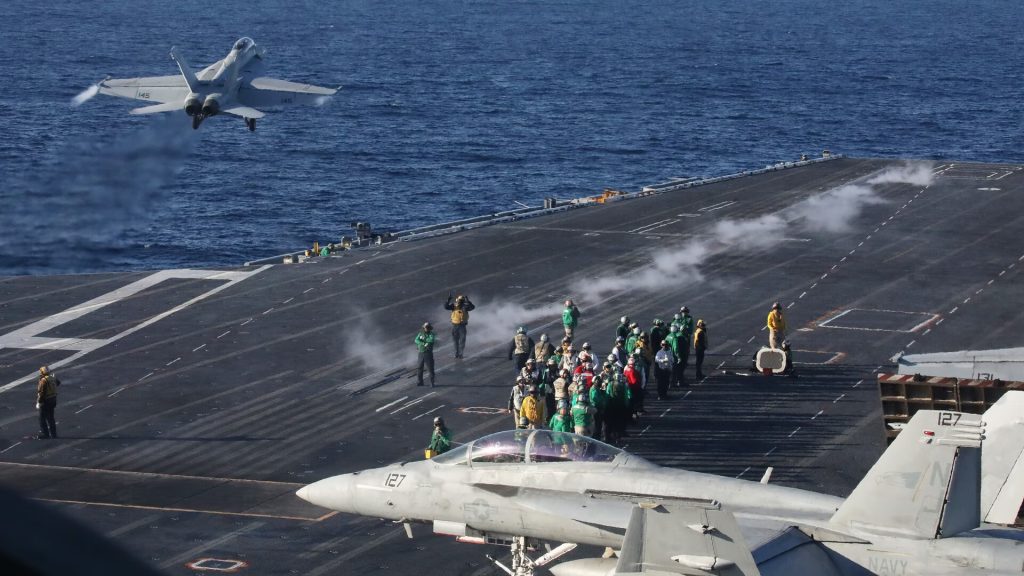
The war in the region has entered a phase of managed strangulation. As Donald Trump pushes for an international effort to break Iran’s grip on the Strait of Hormuz, Tehran is turning to its claim of targeting the neighbors of the bases, transforming Gulf cities, along with Beirut and Baghdad, into arenas testing America’s ability to protect its regional network, amid rising oil prices that threaten Trump’s economic promise at home.
Detail
1. Hormuz: The battle over the artery of the world!
The war is shifting from the logic of destroying the Iranian regime’s infrastructure to the logic of controlling a vital passageway.
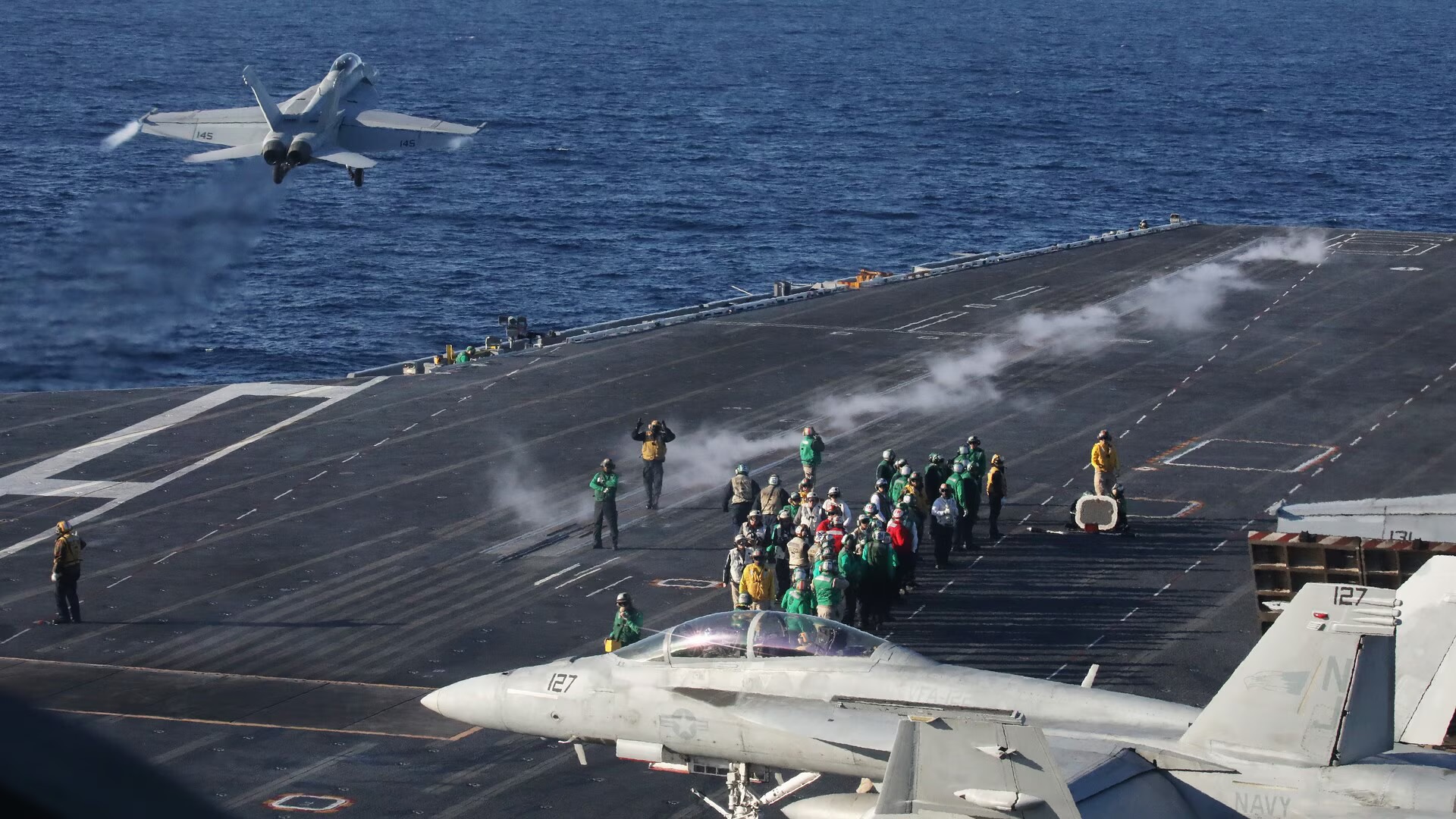
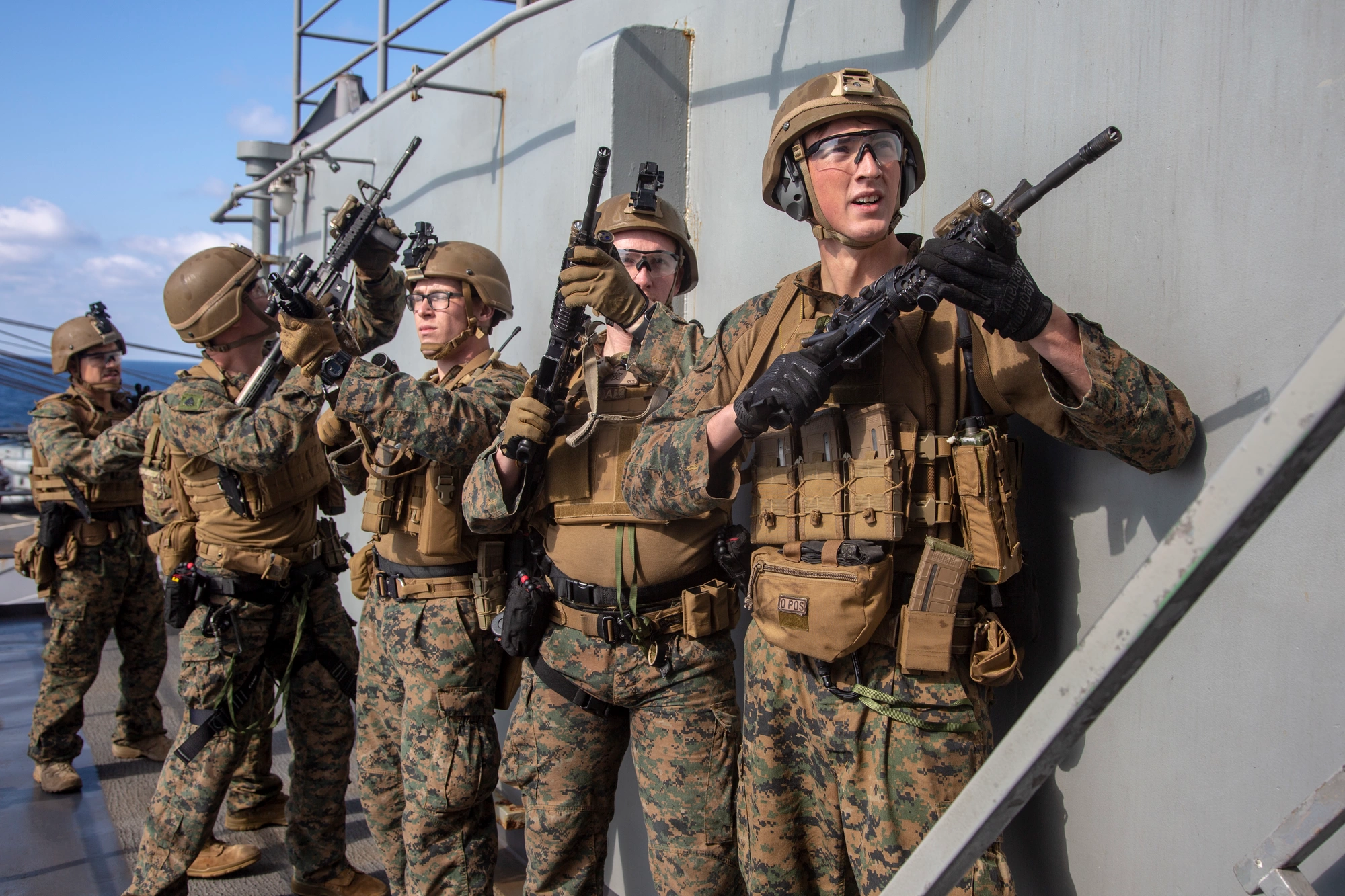
Trump is openly calling on the world’s nations to take part in securing navigation, but The Wall Street Journal points to the core problem: securing the strait is a major military commitment requiring fleets, drones, and coastal operations, a cost that allies have not explicitly embraced.
At the same time, Tehran understands that the strait card is its last weapon for escaping the impasse, even if that requires collective economic suicide.
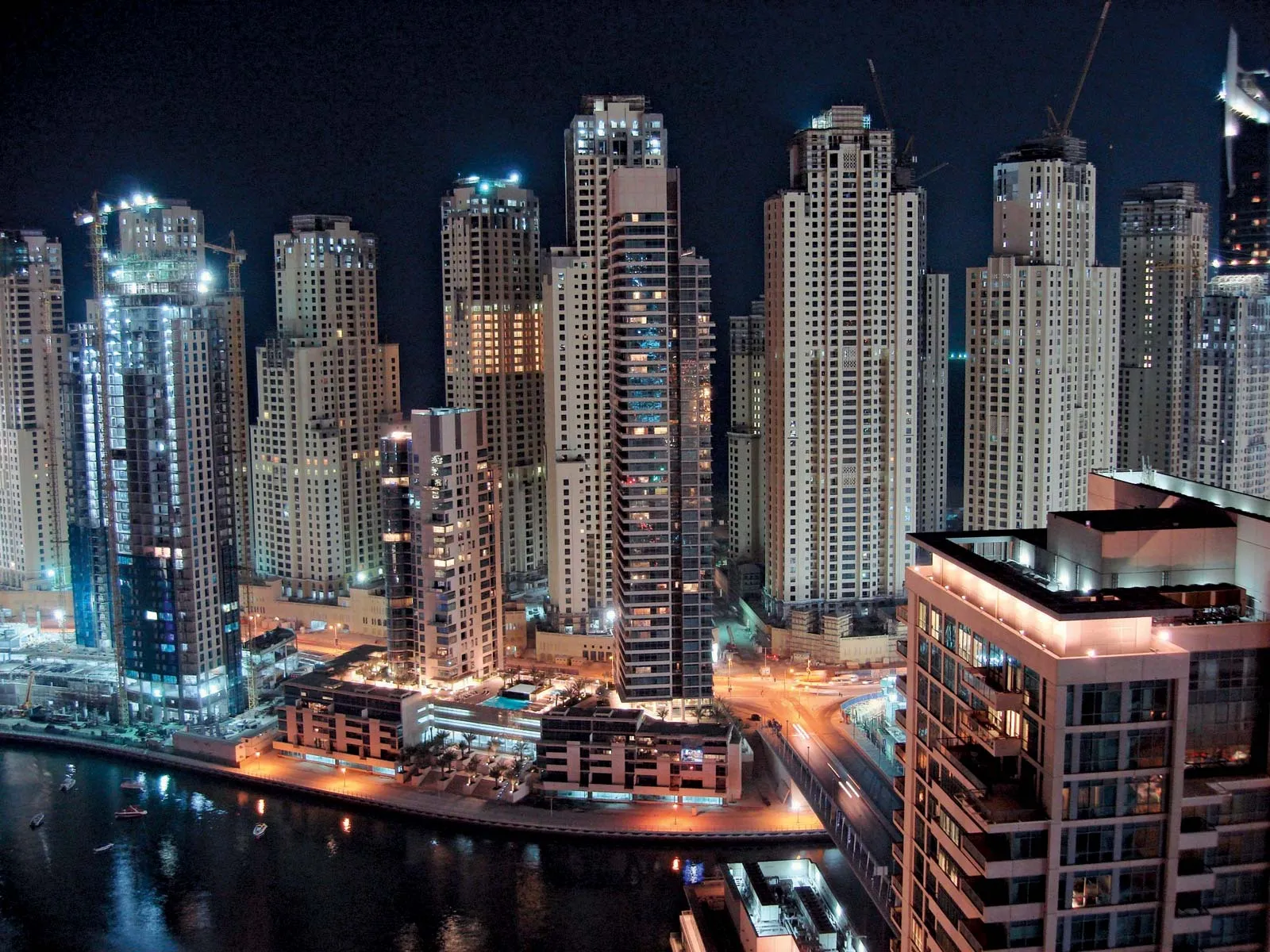
2. Geography of accusation: the UAE in the diplomatic confrontation!
In recent hours, a dramatic development has emerged. Tehran, through Foreign Minister Abbas Araghchi, accused the UAE of having served as a launch point for the attack on Kharg Island, an accusation that does not withstand the facts on the ground. The response from Anwar Gargash, diplomatic adviser to the President of the UAE, was therefore sharp, describing Iran’s strategy as moral bankruptcy.
This clash conceals a bitter reality on the ground: Iran is trying to nationalize the pain and export it randomly to its neighbors.
3. Lebanon.. from support front to comprehensive dismantling!
On the northern front, the rules of the game have changed. What began as a support front on March 2 has turned into a war of comprehensive dismantling of Lebanon’s civilian and infrastructure base. Israel has moved beyond the border strip to strike the heart of Beirut, and is now carrying out a three-stage strategy:
• Isolating the south: imposing a buffer zone by fire.
• Strangling the capital: striking government headquarters and the civilian heartland.
• Emptying the villages: turning a tenth of Lebanon’s territory into a militarily sealed zone.
4. The war economy: the danger haunting the White House!
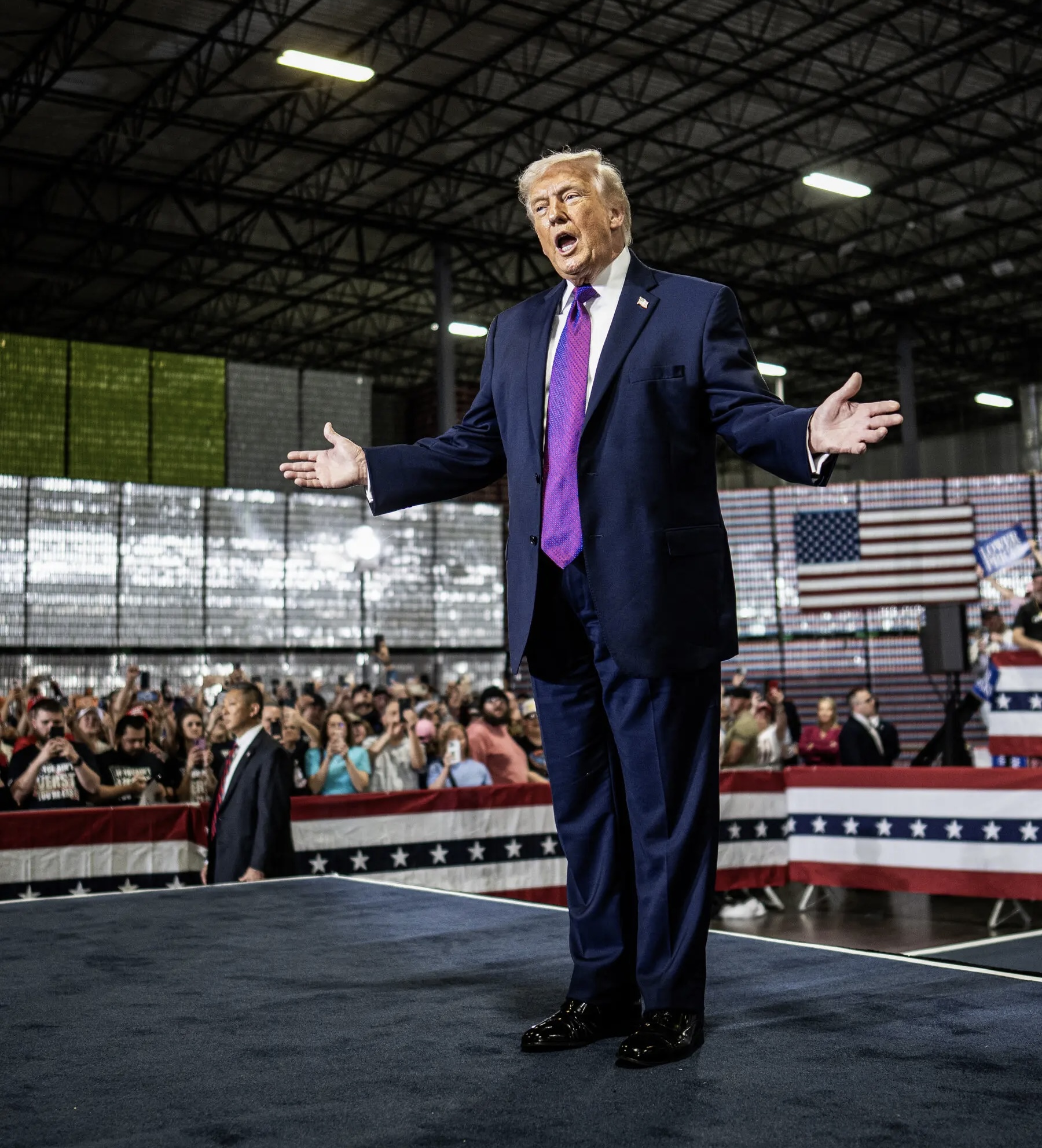
While Trump insists that the time for diplomacy has not yet come, The New York Times is tracking fractures inside the United States. Oil reaching $103 and rising inflation place Trump before the most important question: can he win the battle and lose the voters? Tehran is betting on this short breath and is directing its missiles toward energy facilities and ports to strike the American mood before striking military targets.
What next?
We are facing an all-or-nothing scene. Trump is rejecting any deal that does not guarantee a complete surrender to the conditions of navigation and deterrence, while Iran is responding by widening the oil slick to engulf الجميع.
The question now is this: can Washington reopen Hormuz without sliding into a war of attrition that devours its economic gains?