A Bafta emerging talent judge has resigned following the organisation’s handling of an incident during Sunday’s awards ceremony in which a Tourette syndrome campaigner shouted a racial slur while two Black actors were on stage. The BBC’s failure to edit the word from the delayed broadcast has sparked political backlash, industry criticism and renewed scrutiny of how Bafta and the broadcaster managed the situation.
Body
United Kingdom: According to The Guardian, British film-maker Jonte Richardson has stepped down from Bafta’s emerging talent judging panel, describing the organisation’s response to the incident as “utterly unforgivable.”
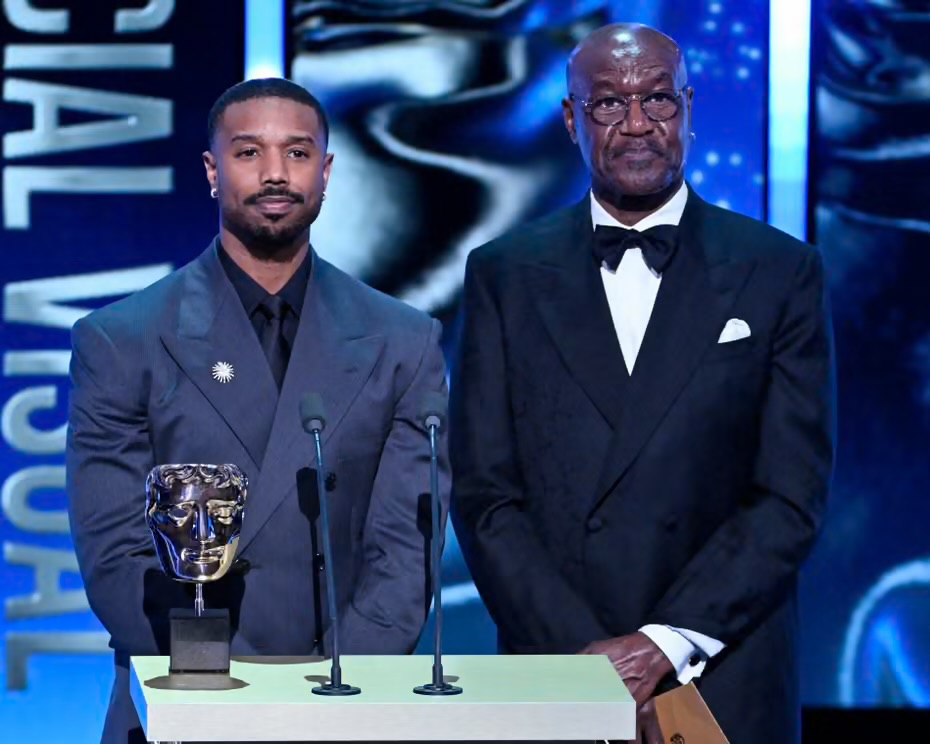
The controversy arose during the Bafta film awards ceremony at London’s Royal Festival Hall. Actors Delroy Lindo and Michael B Jordan were presenting the award for special visual effects when John Davidson — a Tourette syndrome campaigner whose life inspired the film I Swear — shouted the N-word from the audience.
Lindo and Jordan continued presenting but appeared visibly shaken.
Attendees inside the venue had reportedly been briefed before the ceremony that Davidson was present and might vocalise inappropriate language due to involuntary tics. However, that warning was not included in the television broadcast. Crucially, the BBC — which airs the ceremony roughly two hours after the live event — failed to edit out the slur.
Resignation and Direct Criticism
In a LinkedIn post cited by The Guardian, Richardson said he could not continue to contribute to an organisation that had “repeatedly failed to safeguard the dignity of its Black guests, members and the Black creative community.”
He added that Bafta’s response did not adequately acknowledge “the harm inflicted on both the Black and disabled communities,” arguing that remaining involved would amount to condoning its conduct.
Richardson is a former musician and screenwriter whose credits include work with major artists and television productions, and he has previously served on industry boards supporting Black media professionals.
Political and Industry Backlash
The BBC’s failure to remove the word from the delayed broadcast triggered widespread criticism.
Labour MP Dawn Butler called for an urgent explanation from BBC leadership, questioning why other remarks were edited from the programme while the racial slur remained in the initial telecast.
Conservative leader Kemi Badenoch also criticised the broadcaster, stating the word “should have been bleeped.”
The New Black Film Collective described the decision not to remove the word before broadcast as “a disgrace,” arguing that uploading an edited version later was inadequate because the original clip had already circulated online.
BBC Explanation and Apology
BBC producers reportedly said their team was working from a production truck and “failed to hear” the word during the broadcast process — an explanation that has raised further questions about editorial oversight, particularly given the delayed transmission window.
The BBC later issued an apology and uploaded a re-edited version of the ceremony to iPlayer.
Bafta’s Response and Ongoing Debate
During the ceremony, host Alan Cumming addressed the outbursts, noting that Tourette syndrome is a disability and that vocal tics are involuntary. He apologised “if” viewers were offended — wording that many critics felt was insufficient.
Bafta later issued a formal statement taking “full responsibility” for placing guests in a difficult situation and apologised directly to Lindo and Jordan. The organisation acknowledged that “very offensive language” had been heard and recognised the trauma such words carry.
Davidson also released a statement expressing that he was “deeply mortified” if anyone interpreted his involuntary tics as intentional or meaningful, stressing that he left the auditorium early out of concern for the distress caused.
(Analysis) The controversy has evolved beyond a single incident at an awards ceremony. It has become a test case for how major cultural institutions balance inclusion for people with neurological disabilities with the responsibility to protect audiences and participants from racial harm — especially when a delayed broadcast provides the opportunity for editorial intervention.
The broader question now facing Bafta and the BBC is not only about apology, but about procedure: how future live events will be managed, what safeguards will apply to delayed transmissions, and how institutions respond when issues of race, disability and broadcast responsibility intersect.