
The latest:
The Trump administration encouraged Venezuela and Iraq earlier this year to consider withdrawing from OPEC and blocked Caracas from paying its annual membership fees, 10 sources told Reuters. The previously unreported push targeted two of the group’s five founding members. A State Department official said talks with Baghdad focused on energy infrastructure rather than OPEC.
Details:
- The motive: Sources familiar with the discussions said U.S. officials were pushing at the time for higher oil output and investment in both countries, and that some worried OPEC’s production limits could ultimately obstruct those ambitions. Trump has long accused the group of keeping crude prices artificially high.
- The Saudi intervention: Two people said U.S. pressure on Venezuela reached a point that prompted Saudi Crown Prince Mohammed bin Salman to step in this summer, persuading the Trump administration not to proceed. Saudi Arabia is OPEC’s largest producer and its de facto leader.
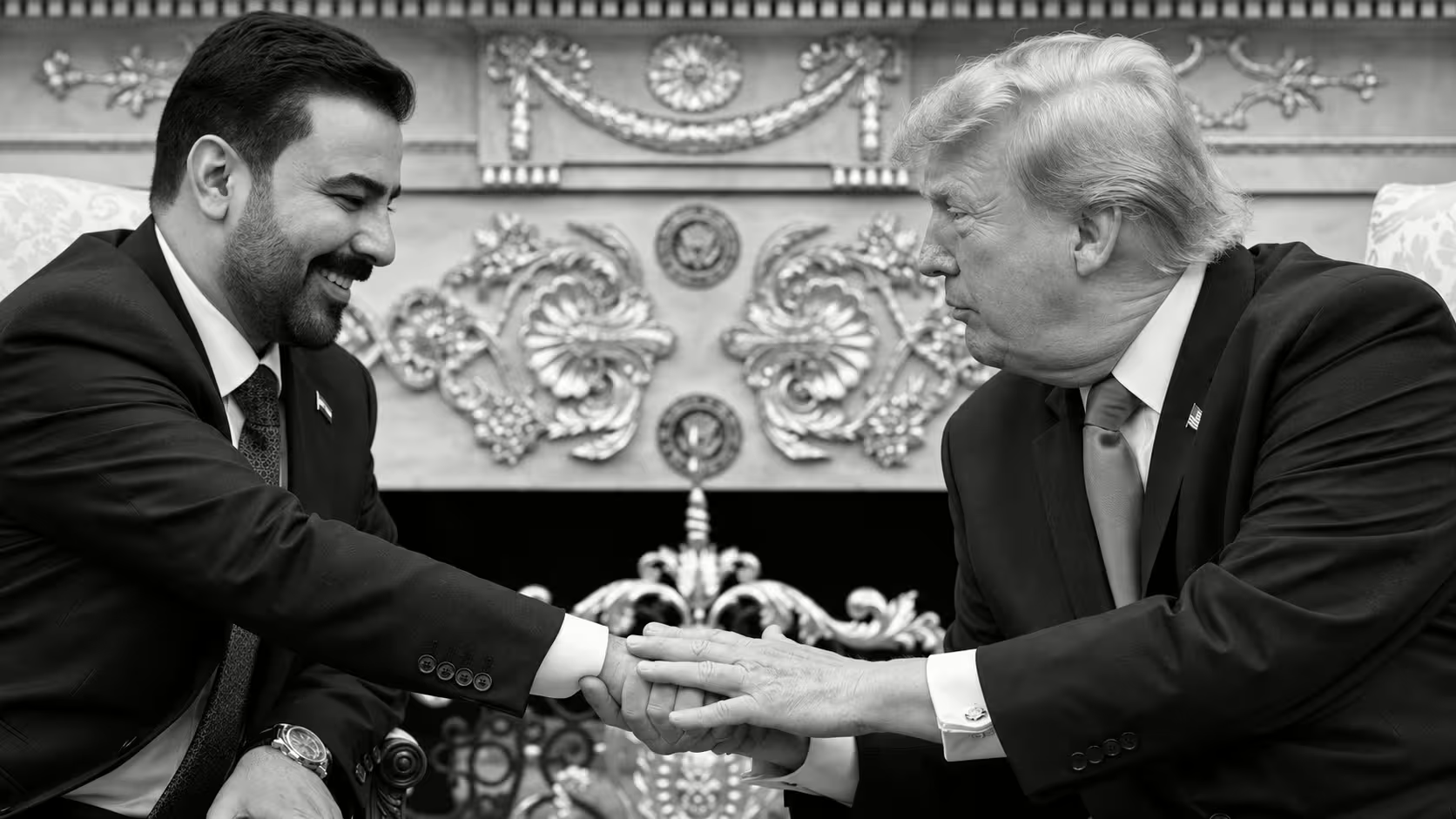
- Inside Baghdad: Two sources said Prime Minister Ali Falih al-Zaidi raised leaving OPEC at a cabinet meeting this summer after talks with U.S. officials who encouraged the idea. The oil ministry objected and convinced him to stay and seek a higher production quota instead.
- The leverage: Washington controls Venezuela’s access to government funds following the January ouster of Nicolas Maduro, while Iraqi oil revenues still pass through an account at the New York Federal Reserve, an arrangement dating from the 2003 war. This year Washington threatened to cut Iraq off from those revenues unless it curbed Iranian influence.
- The U.S. response: The State Department did not answer whether it blocked the OPEC payment but confirmed Washington decides how Venezuelan state funds are used. An official said lower-level officials may have raised withdrawal, but “this was not an issue raised by senior officials.” OPEC and the Venezuelan, Iraqi and Saudi governments did not respond to requests for comment.
- The dues: OPEC fees fall due in the first quarter and cover salaries, research and travel at the Vienna secretariat. Unlike the United Nations, OPEC splits costs equally at roughly 2.8 million euros, or 3.08 million dollars, per member. Two OPEC sources said the group can waive unpaid fees and does not intend to expel Venezuela.
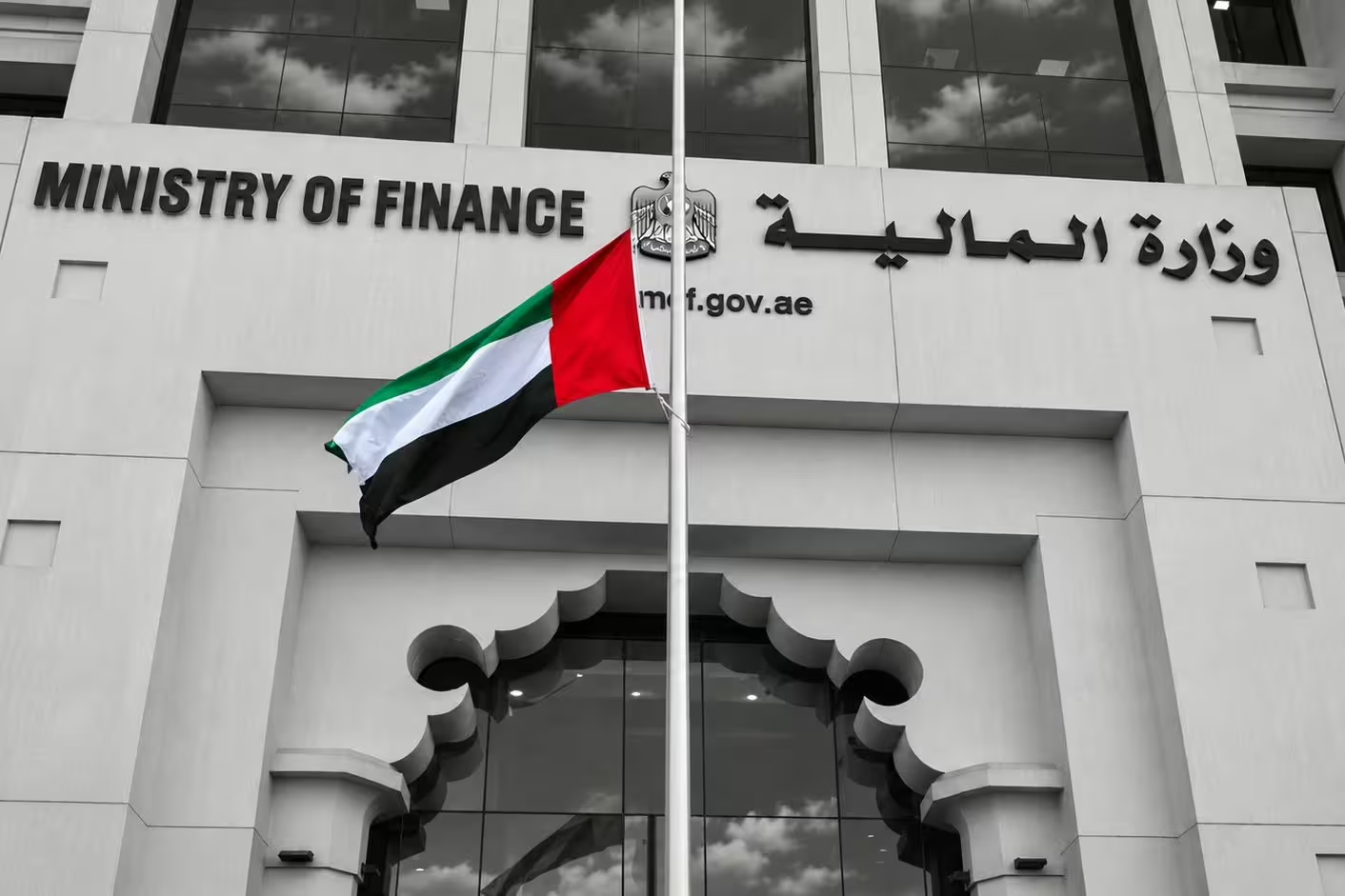
- The exits: The UAE announced its withdrawal earlier this year after frustration with production ceilings, following Angola in 2024, Ecuador in 2020 and Qatar in 2019. There is no indication of a U.S. role in those decisions. Founded in Baghdad in September 1960, OPEC now has 11 members.
- Venezuelan output: Caracas is currently exempt from OPEC+ quotas after output collapsed. OPEC data put production near 1.2 million barrels per day in September, while state firm PDVSA targets 1.5 million by the end of next year. Quotas were last imposed in 2017 and 2018, when the target was about 2 million.
- The oversight: In July, the Government Accountability Office opened a formal investigation into how the administration manages and disburses Venezuelan oil revenues, after congressional demands for transparency. The administration said the funds pay government salaries and finance basic services.
Background:
The United States became the world’s largest oil producer over the past decade, turning it from an OPEC customer into its biggest competitor for market share. OPEC also coordinates output with Russia and other producers through the OPEC+ alliance.
Between the lines:
Dan Alamario, chief geopolitical analyst at Alpine Macro, said the risk of OPEC fracturing is growing. The file may resurface in Iraq: sources said parts of the ruling coalition favor leaving OPEC and OPEC+, viewing both as dominated by Saudi Arabia and Russia. Washington’s financial grip on both capitals, through the New York Fed account and the Venezuelan fund, gives it unusual leverage over two founding members.
What’s next
Watch the Government Accountability Office findings on Venezuelan oil revenues, whether Baghdad revives the withdrawal question, and whether Iraq secures the higher OPEC quota its oil ministry proposed as an alternative.