
Key Points
- Dubai's benchmark has wiped out all losses since the Iran war began, Bloomberg reported.
- The DFM General Index gained about 14% in November, its best month since April 2020.
- The rebound has pushed Wall Street banks to upgrade the UAE, reopening the door to foreign inflows.
The latest:
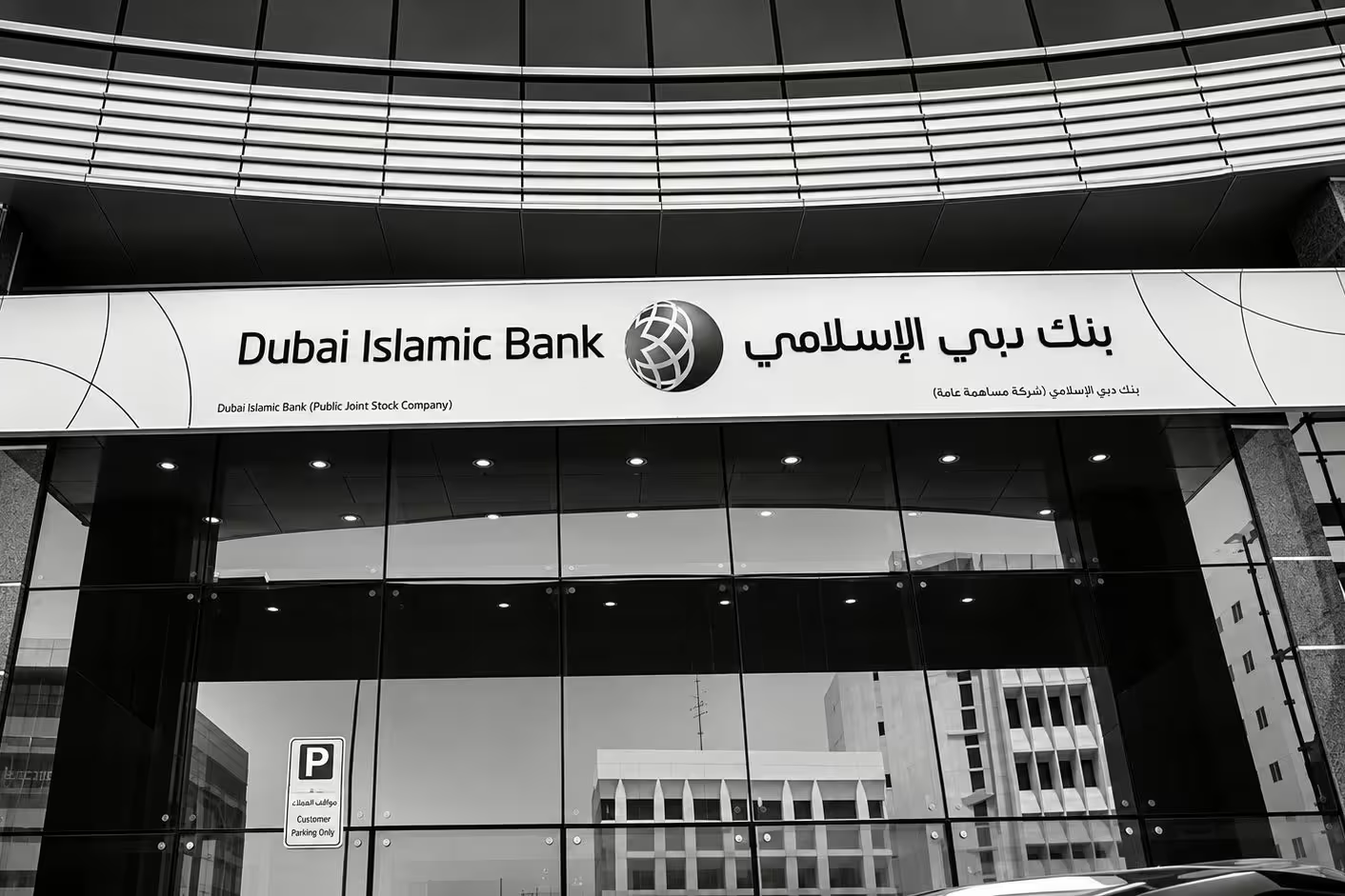
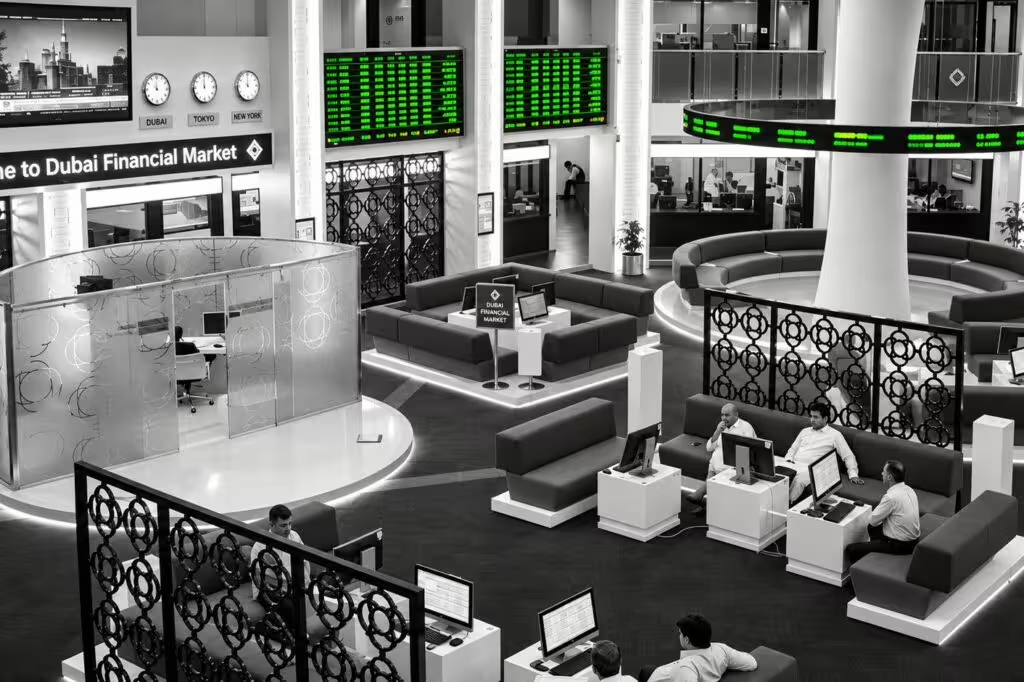
Dubai’s stock market has erased every loss recorded since the Iran war began, turning the Gulf’s biggest laggard into one of its strongest performers, Bloomberg reported. The DFM General Index is up roughly 14% in November, its biggest monthly gain since April 2020, leaving Dubai the Gulf’s second-best market this year behind Oman. Government support and resilient economic activity drove the turnaround.
Details:
- The numbers: The DFM General Index has risen about 14% in November, its largest monthly advance since April 2020, according to Bloomberg. That run has lifted Dubai to the second-best performing Gulf market this year, trailing only Oman, after it had been the region’s worst performer during the conflict.
- JPMorgan’s call: JPMorgan Chase & Co. upgraded MSCI UAE to overweight from neutral earlier this month, saying the country was cheap and far more resilient than the bank had assumed. It cited improving earnings revisions and the return of foreign inflows as the basis for the change.
- The valuation: The MSCI UAE Index, which covers stocks listed in both Dubai and Abu Dhabi, trades at 9.4 times forward earnings, according to Bloomberg. That sits below its decade average of more than 10 times, a gap banks have pointed to in arguing the market still has room to run.
- Morgan Stanley: Morgan Stanley also raised the UAE to overweight, saying Dubai’s recovery was complementing Abu Dhabi’s capital-spending cycle. The bank said improving activity and relatively low valuations leave room for further gains if regional tensions ease, while noting that tourism still lags the rest of the recovery.
- Population data: Morgan Stanley said Dubai’s October population stood 2.4% above its pre-conflict peak, with rental registrations and traffic volumes also picking up. Cantor Fitzgerald’s Kato Mukuru said residents who left during the conflict have since returned, and that government support and spending more than offset lost foreign investment.
- The early bet: Cantor Fitzgerald recommended buying UAE banks in March, while the conflict was still weighing heavily on local assets, arguing the selloff was an opening for investors willing to look past the immediate disruption. Mukuru said the rebound vindicates that call: “This conflict is disruptive, but I think it was just another test proving that the model works.”
- The trigger date: The latest leg of the rally began on Nov. 4, when Dubai’s benchmark posted its biggest one-day gain since early April in the first session after the US midterm elections, as hopes grew for de-escalation between Washington and Tehran.
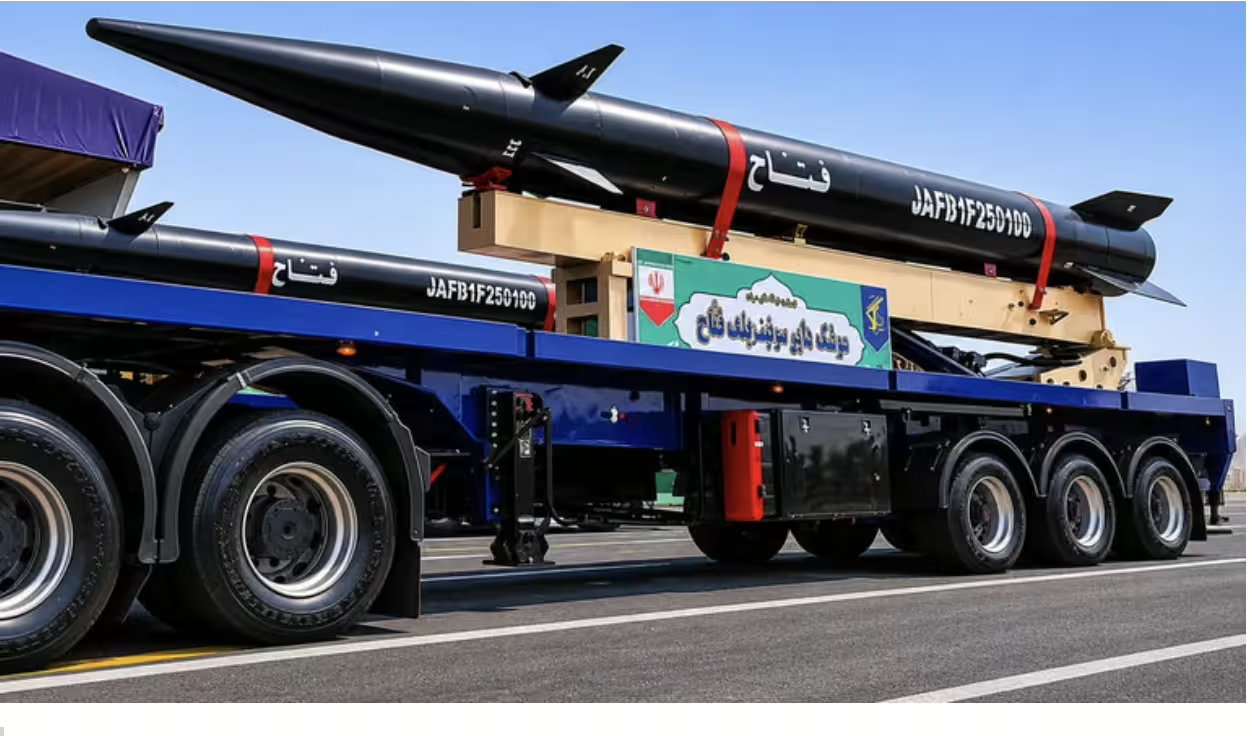
- The risk: US President Donald Trump has since indicated he might resume the war on Iran next year if talks fail to produce a diplomatic resolution. JPMorgan sees scope for foreign flows to recover in 2027, provided earnings improve and the conflict does not escalate further.
Between the lines:
The rally’s dependence on state support cuts both ways. Mukuru, who remains bullish longer term, argued that even a durable peace could slow momentum if authorities withdraw some of the spending that cushioned the market. That leaves the index exposed at both ends: escalation would revive the selloff, while de-escalation could remove the fiscal prop that replaced absent foreign investors.
What’s next
Watch whether Washington-Tehran talks produce a diplomatic resolution before Trump’s stated window next year, whether tourism data catches up with population and rental figures, and whether foreign inflows build toward JPMorgan’s 2027 recovery scenario.