
The latest:
Khaled Abu Nada, described by the Israeli military as head of Hamas’s economic department and education minister within its political bureau, was killed in a strike on Deir al-Balah early Thursday, the army and Shin Bet said. Palestinians said two missiles hit the apartment where he lived with his wife, and that both were killed. He is the third senior Hamas figure Israel says it has killed since Tuesday.
Details:
- The target: The Israeli military said Abu Nada ran Hamas’s banks and investment system, channeling funds toward what it called terrorist activity. It said his killing strikes at the group’s financial operations and its ability to set economic policy. Security sources said he knew where the money went.
- Hamas’s account: A senior Hamas official told Asharq Al-Awsat that Abu Nada was appointed to the political bureau during the war, as the movement filled posts left vacant by assassinations. He represented Rafah, where he lived before being forced out. The official said the appointment was not recognized inside or outside Gaza.
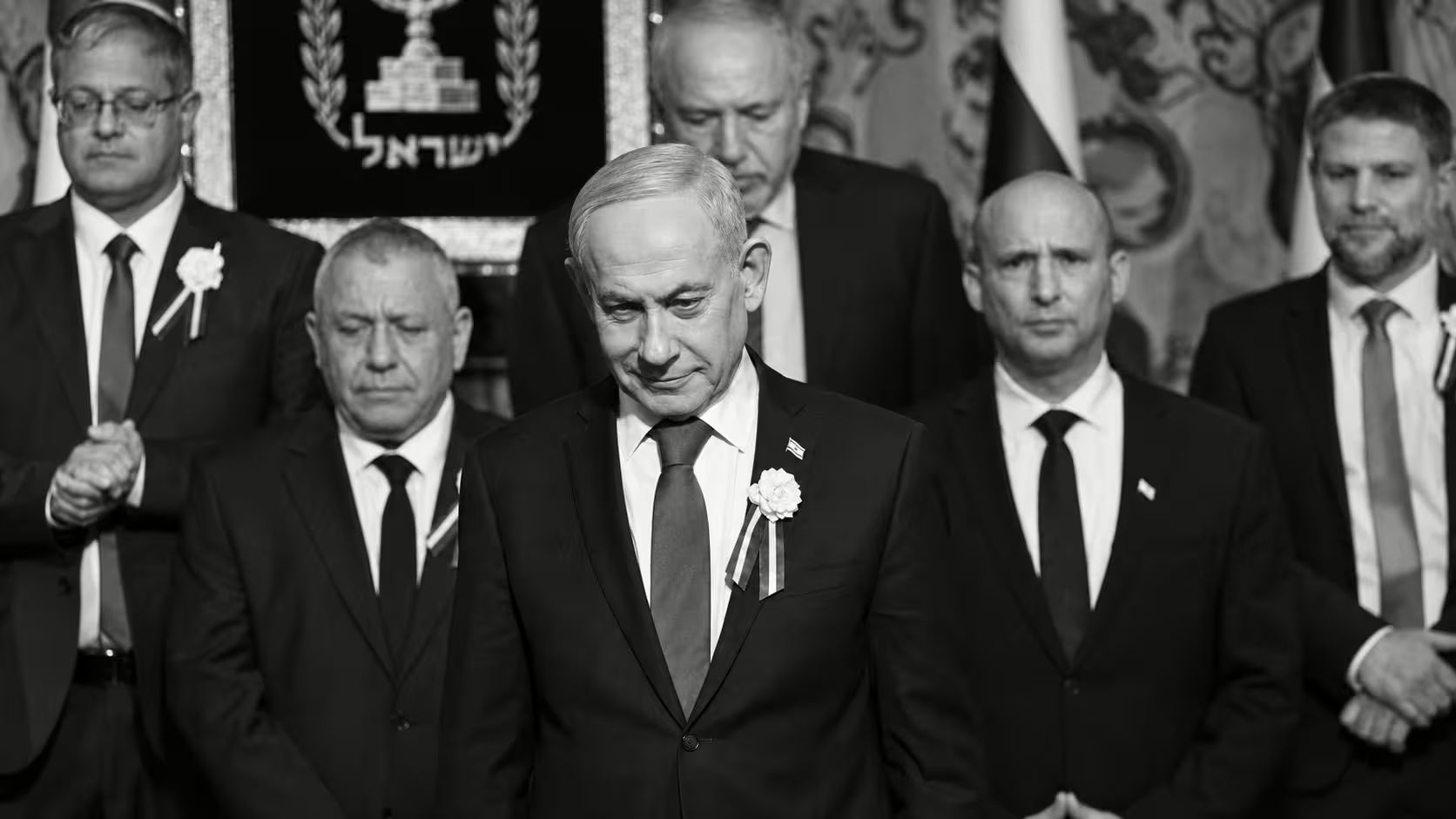
- Israeli leadership: Prime Minister Benjamin Netanyahu and Defense Minister Israel Katz said in a joint statement that no militant is safe and no one in Hamas’s leadership will escape. They said Israel killed roughly 80 Hamas operatives over the past month and would continue pursuing the movement’s members.
- Army spokesperson: Brigadier General Effie Defrin, the military spokesperson, said the strike hit a senior militant and described him as a threat that was neutralized rather than an innocent man. The army defined Hamas’s political bureau as the movement’s top decision-making body, including tactical guidance for military operations.
- The chain: Israeli military sources told The Jerusalem Post that Mohammed Majed Abu al-Ouf, head of internal security in northern Gaza, was killed Wednesday with his wife and children around 3 a.m. in Shati camp. He was due to replace Naim Abu Nahl, killed a day earlier.
- Earlier killings: Abu Nahl’s own appointment followed the arrest of predecessor Mayan al-Arbid in a special operation. His killing came a week after the army said it killed Hamas’s Rafah brigade commander, Samir Mahmoud Hassan Abu Younis.
- The Shaul file: The military and Shin Bet said both Abu al-Ouf and Abu Nahl belonged to the closed circle that knew the whereabouts of Sergeant Oron Shaul, whose remains Hamas held from 2014 until their recovery in January 2025.
- Other casualties: Palestinians reported three killed and several wounded in a strike on a group they described as civilians in Shati camp, west of Gaza City. Al Jazeera reported at least two killed in a Deir al-Balah apartment strike. Shehab cited hospital sources reporting at least 11 killed since Wednesday morning, including two girls.
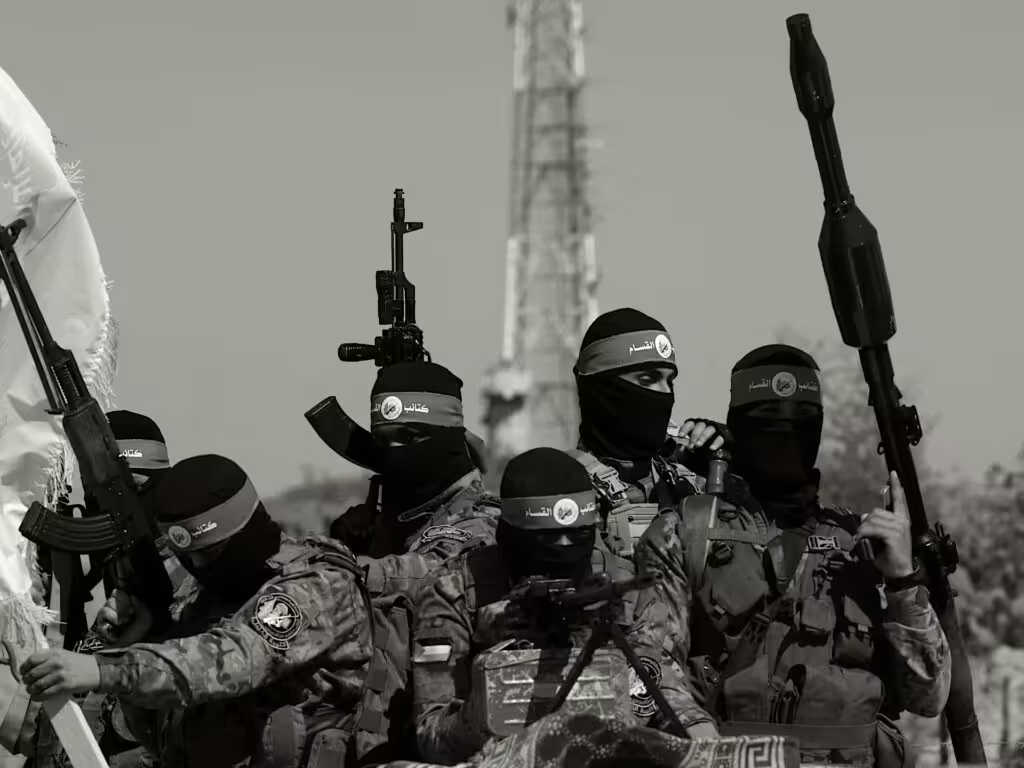
- Scope of control: Security sources said the strike weakens Hamas’s ability to administer roughly 30% of Gaza’s territory. The movement sustains control through local authorities handling health, sanitation, energy, education and the economy — sectors not directly tied to its Izz ad-Din al-Qassam Brigades.
- Thwarted attempt: Shortly after the army announced the strike, reports said an earlier assassination attempt against Abu Nada had been foiled through a wiretapping operation, according to security sources who said he controlled Hamas’s economic structure.
Background:
Israeli security officials call Hamas’s internal security apparatus the movement’s Basij, after the Iranian Revolutionary Guard militia. They accuse it of stealing food meant for civilians and interrogating and torturing suspected collaborators with Israel.
Between the lines:
Security sources framed the Abu Nada strike as a turning point in Israel’s targeted killing policy: moving from the military wing to the civilian administrative layer that keeps Hamas in control. Three senior figures killed since Tuesday — two internal security chiefs and now a finance and education official — fit that reading. Hamas’s own account, that Abu Nada filled a vacancy created by earlier assassinations, points to an attrition cycle rather than a collapse.
What’s next
Watch whether Israel extends strikes to other heads of Hamas-run civilian sectors — health, energy, sanitation — and whether Hamas names successors to Abu Nada and the two internal security chiefs killed this week.