
Key Points
- A source told ontime+ the Saudi crown prince ordered Omani mediation efforts stopped and long-term war plans drawn up.
- Battlefield setbacks in Yemen and symbolic support from Mecca Agreement allies drove the shift, according to the source.
- Riyadh is reordering military, economic and fiscal priorities to absorb the cost of a prolonged conflict.
The latest:
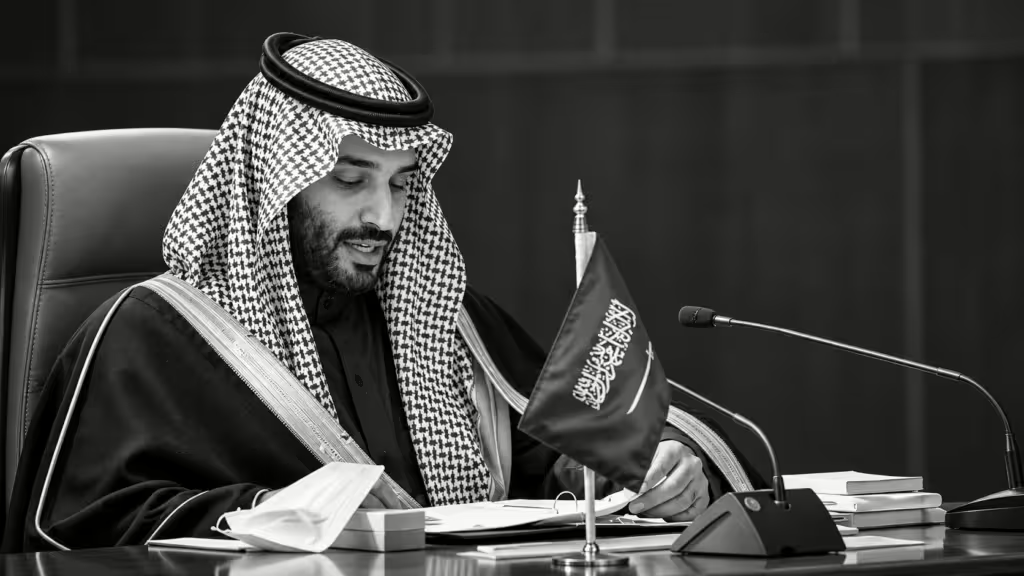
Omani mediation efforts have been halted on the orders of Saudi Crown Prince Mohammed bin Salman, who also instructed officials to prepare long-term military, mobilization and economic plans, a source familiar with the matter told ontime+ on condition of anonymity. The source said the crown prince concluded that confronting the Houthis has become a fight Saudi Arabia is waging alone.
Details:
- Allied disappointment: The source said bin Salman feels a disappointment bordering on regret toward his partners in the Mecca Agreement, who in his assessment limited themselves to statements of condemnation and symbolic backing rather than material commitments to the campaign.
- The Egyptian track: According to the source, the crown prince no longer counts on Egyptian deliberations or the parliamentary approval required for military assistance, having concluded that the initiative lost its usefulness from the outset.
- Battlefield calculations: Despite what the source described as the prince’s customary impulsiveness, he expressed reservations about launching a broad offensive, preferring instead to rely on allied forces advancing inside Yemen with Saudi air support.
- The home front: The source said battlefield setbacks pushed bin Salman to order economic and mobilization plans, including financial assistance to citizens so they can withstand the conditions ahead.
- Military spending: The crown prince decided to raise military spending to the highest level possible, the source added, with priority given to strengthening the kingdom’s defensive capabilities over other outlays.
- Interceptor request: Semafor reported on November 24 that Riyadh asked allies in the United States, Europe and Asia to supply interceptor missiles, either through purchase or on loan with compensation to follow.
- Unresolved question: Semafor’s sources did not settle whether the request stemmed from a depleted stockpile. The Saudi government did not comment on the report.
- Pending decisions: The source said the crown prince is preparing significant administrative decisions affecting the structure of the kingdom’s military and economic administration, without specifying when they would be issued.
- Political standing: The source closed by describing bin Salman as now “less isolated,” without elaborating on which relationships or alignments had shifted in his favor.
- Also: Military spending is to be raised to the highest possible level, with defensive capabilities prioritized.
Between the lines:
The source’s account, read alongside the Semafor report on interceptor requests, points to a shift in Riyadh’s calculations: from relying on Mecca Agreement partners and on allied Yemeni forces to deliver gains on the ground, toward absorbing the military and economic cost of a long conflict itself. The planned spending increase and the citizen assistance measures both point in that direction.
What’s next
Watch for the administrative decisions the source says are coming on military and economic structures, any Saudi budget move reflecting higher defense spending, and whether allies respond to the interceptor missile requests reported by Semafor.