
The latest:
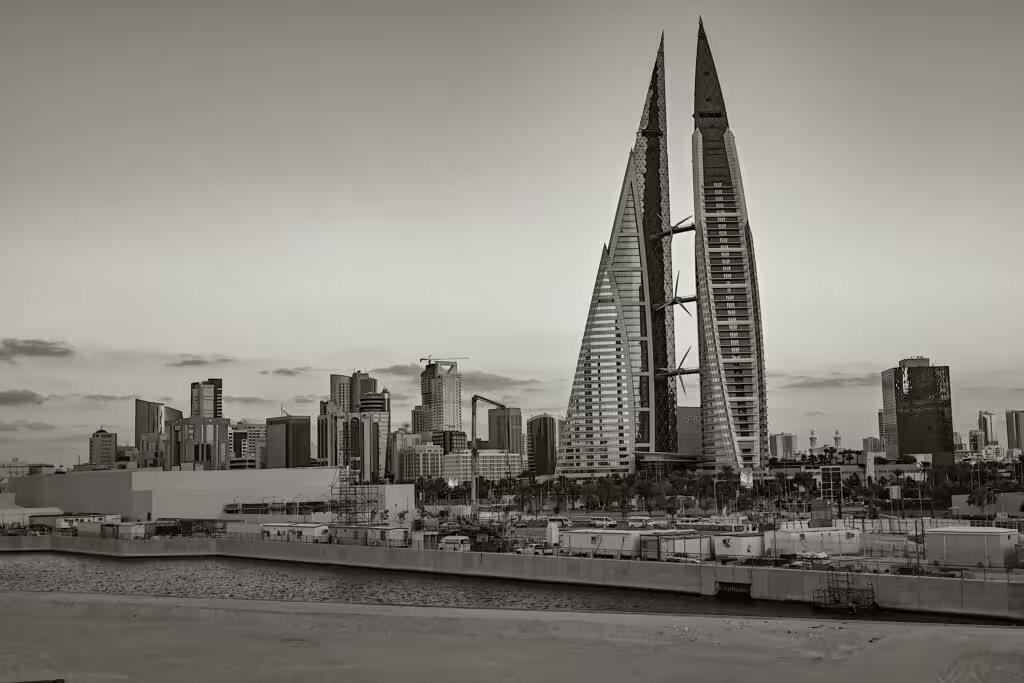
Bahrain is negotiating a new financial rescue package with Gulf neighbors including the UAE and Saudi Arabia, Bahraini officials told The Wall Street Journal, after a run of Iranian missile and drone strikes on the kingdom. Officials insisted Bahrain can still meet its debt obligations this year. Government debt has climbed to 163% of GDP, the fourth-highest ratio worldwide.
Details:
- The attacks: Iran has launched a series of missile and drone attacks on Bahrain, which hosts the US Fifth Fleet, according to The Wall Street Journal. The strikes, including one last weekend, hit industrial facilities as well as American military sites that had largely been evacuated.
- Why Bahrain: The US military presence has made the kingdom a preferred target, with Iran concentrating on Bahrain during lower-intensity phases of the war rather than striking Saudi Arabia or the UAE, where a hit could trigger a forceful American response.
- The economic damage: Shipping disruption has choked exports, while attacks on the oil and aluminum sectors — two pillars of national income — caused heavy damage. Public debt has swelled further from the cost of defending against the strikes, leaving no fiscal room to maneuver.
- The debt math: Government debt reached 163% of GDP, trailing only Sudan, Japan and Singapore. Unlike Japan and Singapore, which borrow mainly in their own currencies and hold large domestic savings, Bahrain leans on external financing with smaller reserves. Interest payments were already consuming close to 40% of revenue before the fighting began.
- The Emirati lifeline: The UAE extended a currency swap facility worth about 5.3 billion dollars in April. Justin Alexander, director of the consultancy Khalij Economics, estimates two-thirds of that sum has already been drawn, leaving Bahrain in need of another package.
- The warning: Economists warn of a looming double-digit contraction that could escalate into a full currency and sovereign debt crisis unless wealthier Gulf states step in with new financing.
- The expert view: Karen Young, a senior scholar at the Middle East Institute in Washington, said the situation is extremely serious, describing Bahrain as exposed to Iranian attacks with little American protection and no sign of reconstruction or permanent US bases ahead. She called the kingdom “completely exposed”.
- Manama’s response: A Bahraini government spokesperson said the region faces unprecedented economic fallout from Iran’s reckless, illegal and indiscriminate attacks, and stressed that the US naval presence has been and will remain a pillar of Gulf security.
- The US position: Captain Tim Hawkins, a US Central Command spokesperson, said American forces have helped Bahrain defend against Iranian missiles and drones, and that the military continuously assesses its regional posture and makes periodic adjustments to meet mission requirements.
- The base economy: US Navy estimates put the contribution of American military facilities to Bahrain’s economy at about 403 million dollars in 2021, through leases, contracts, jobs and local spending. Attacks on US sites across the region have accelerated a reassessment of the American footprint. Some families have cut spending, giving up restaurant meals or renting out spare rooms.
Between the lines:
The same American presence that underpins Bahrain’s security also explains its exposure: Iran targets the kingdom precisely because striking Riyadh or Abu Dhabi carries a heavier risk of US retaliation. With the 5.3 billion dollar Emirati swap two-thirds drawn and interest payments already near 40% of revenue, Manama’s bargaining position rests on its neighbors’ willingness, not its own reserves.
What’s next
Watch for an outcome from the talks with the UAE and Saudi Arabia on a new rescue package, Bahrain’s upcoming debt payments this year, and any announced adjustment to the US military footprint in the kingdom.