
Key Points
- Parastoo Ahmadi, 29, received 74 lashes Monday in Qom over a 2024 unveiled performance, her lawyer said.
- Four men tied to the livestreamed concert were flogged with her; all face two-year performance and travel bans.
- Rights groups say cultural crackdowns have escalated, drawing less international attention during the war.
The latest:
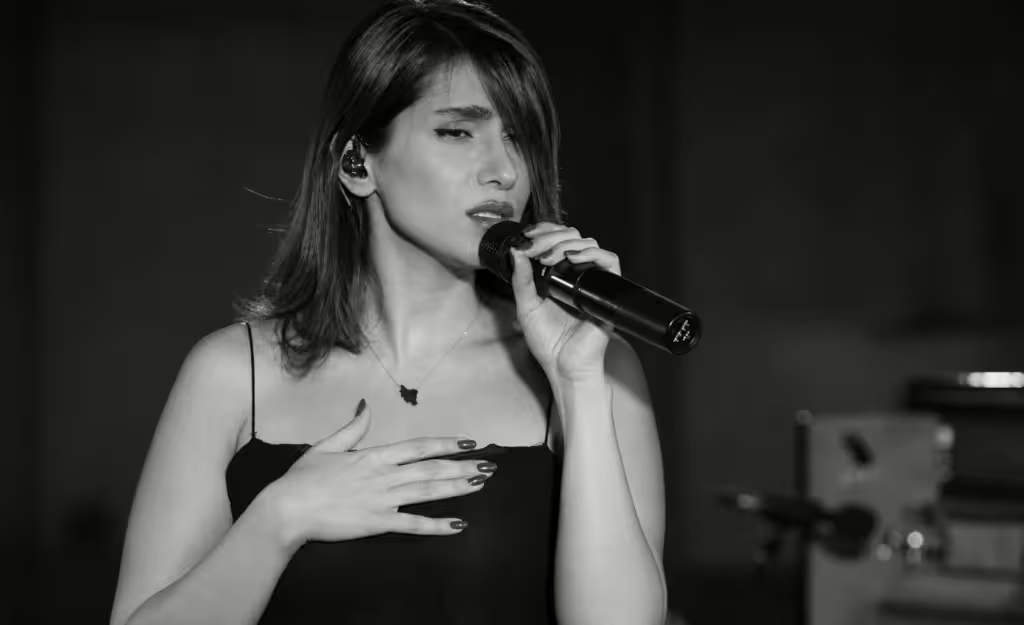
Iranian singer Parastoo Ahmadi was given 74 lashes on Monday at the prosecutor’s office in Qom over a 2024 performance in which she sang without the mandatory hijab, her lawyer Mostafa Nili told the Iranian outlet Emtedad. Four other people connected to the concert were flogged alongside her. A person in Tehran familiar with the case, speaking anonymously for fear of reprisal, confirmed the punishment was carried out.
Details:
- The performance: In December 2024, Ahmadi, then 29, sang Iranian folk songs in a long black gown with her hair and shoulders uncovered at a historic site in Qom. There was no audience; the event was streamed live in what she called an imaginary concert and reached 3.3 million viewers.
- The charges: A criminal court convicted Ahmadi and others of offending public decency and producing obscene and indecent material, according to government-affiliated outlets, which said the group was also accused of failing to adhere to legal and cultural norms. Iranian law heavily restricts women’s singing and bans solo female performance in public.
- The sentence: Beyond the lashes, Ahmadi and her team received a two-year ban on artistic and musical activity and a two-year travel ban, Nili said. The initial ruling in June had sentenced Ahmadi and eight others involved in the concert to flogging.
- Those flogged: Nili identified the four men punished alongside Ahmadi as Soheil Faghih-Nasiri, Amin Taheri, Amirali Pirnia and Mohsen Lashkari. It was unclear whether the remaining defendants from the June ruling would be flogged later or had already received their penalties.
- The appeal: An appeals court in Qom upheld Ahmadi’s conviction in September, along with those of eight musicians and crew members who took part in the virtual concert, according to the Center for Human Rights in Iran, a nonprofit based in New York.
- Her own words: In the caption accompanying the livestream, Ahmadi wrote that she was a girl who wanted to sing for the people she loved, and described singing for the land she loves passionately as “a right I could not ignore.”
- Wider crackdown: The Center for Human Rights in Iran said suppression of cultural expression has escalated in recent months, citing roughly eight cultural figures arrested, held incommunicado, prosecuted or imprisoned over songs, poems, paintings, books or social media posts in September and October alone.
- Rights groups’ demand: The center last month urged governments and the United Nations to press Iran to release cultural figures held over their expression and to end corporal punishment such as flogging. Research director Esfandiar Aban said the arrests are part of a broader, increasingly violent campaign aimed at silencing dissent.
- The backdrop: Authorities suppressed mass protests in January, killing thousands of demonstrators according to human rights groups, and have continued executing and arresting dissidents since the United States and Israel attacked Iran in February.
Background:
In 2022, Mahsa Amini, a 22-year-old Kurdish woman, died in police custody after being arrested over hijab rules, triggering the nationwide Woman, Life, Freedom protests. Many women have ignored the rule since; unveiled women have appeared on state media and at pro-government rallies.
Between the lines:
Mahmood Amiry-Moghaddam, director of the Norway-based Iran Human Rights, assessed that the war has lowered the political cost of repression, with conduct that once provoked international outrage now barely registering. He argued Ahmadi went beyond flouting hijab rules by demanding recognition of fundamental rights, and that her punishment is meant to spread fear and deter imitators.
What’s next
Whether the remaining musicians and crew sentenced to flogging in June are summoned to Qom, and whether governments or the United Nations act on the Center for Human Rights in Iran’s call to end corporal punishment.