
The latest:
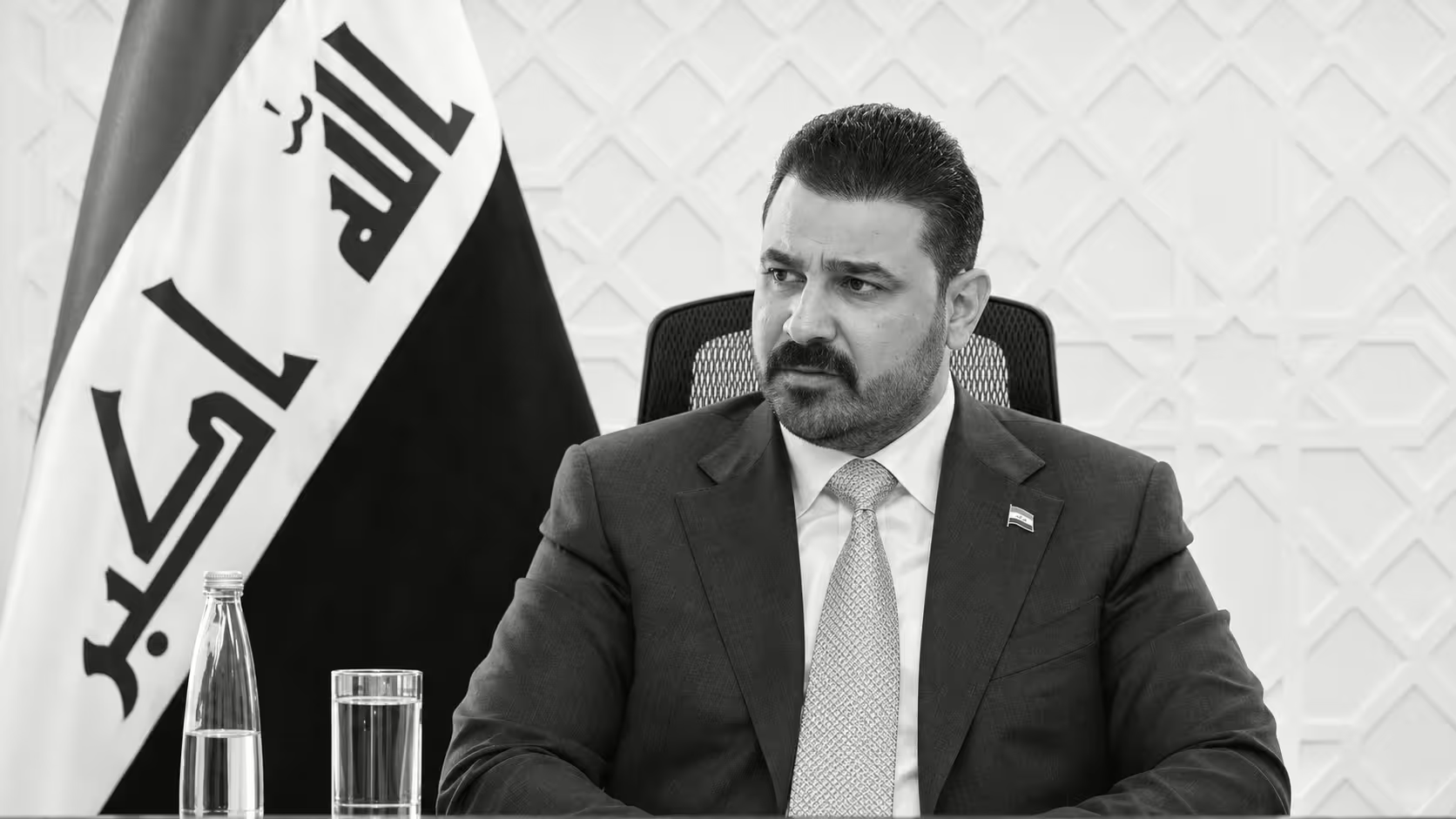
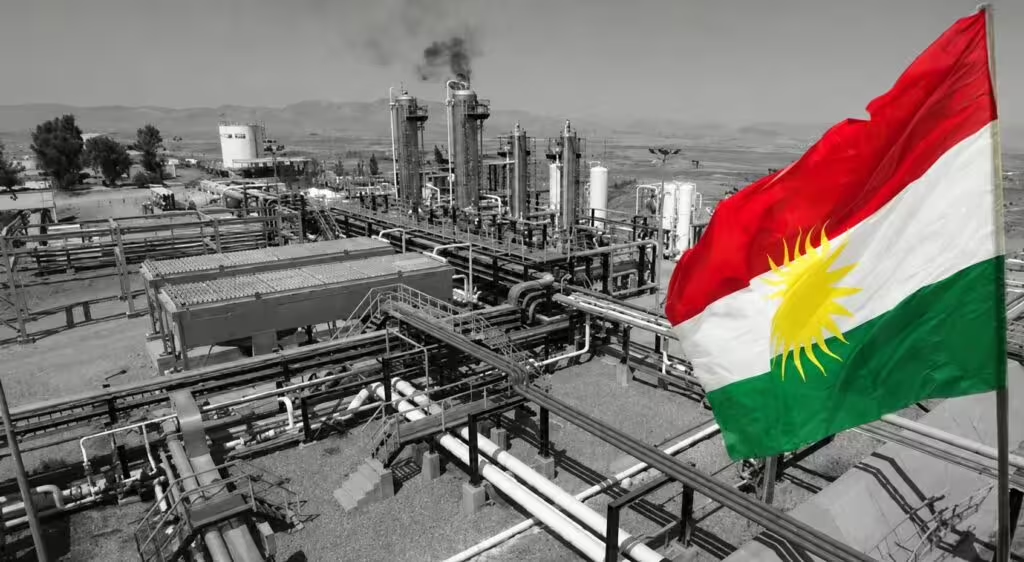
All border crossings in the Kurdistan region and oil fields across four provinces are to pass to federal management under a series of decisions issued Tuesday, November 24, by Iraqi Prime Minister Ali al-Zaidi. His spokesman Sabah al-Numan said the orders followed a report by the committee investigating suspected oil smuggling inside North Oil Company. Erbil rejected the move within hours.
Details:
- The decisions: The federal Border Crossings Authority is to take over every crossing in the Kurdistan region, while the federal Oil Ministry is tasked with managing its fields inside the administrative boundaries of Diyala, Kirkuk, Salahaddin and Nineveh — provinces where security remains under regional authorities, according to the prime minister’s office.
- Export restriction: Al-Zaidi also directed the Kurdistan Regional Government not to grant approvals for crude or refined product exports except through the federal Oil Ministry. Spokesman Sabah al-Numan said the aim is to prevent overlapping jurisdictions, adding that the measures rest on the principle that “national sovereignty is indivisible.”
- Erbil’s response: Kurdish broadcaster Rudaw quoted the Kurdistan region’s prime minister as saying the federal government’s decision to impose central control over oil and border crossings was surprising and entirely unacceptable, Reuters reported.
- Dismissals: Al-Zaidi removed the head of the Border Crossings Authority and several security officials in oil-rich Kirkuk province, which borders the Kurdistan region, and suspended the director general of North Oil Company from his duties.
- Peshmerga presence: A government source and a North Oil Company source told Agence France-Presse that regional Peshmerga forces have been deployed since 2003 at a number of wells and oil installations under the company’s responsibility, in provinces outside the Kurdistan region’s administrative boundaries.
- The minister’s case: Oil Minister Basim Khudair accused the semi-autonomous region of taking over North Oil Company fields and called for federal management, telling a state news agency an investigation had uncovered smuggling in the northern fields, with recommendations due soon.
- Four demands: Four sources in Baghdad and Kurdistan familiar with the talks said al-Zaidi set out four demands on Saturday, delivered to Erbil by Popular Mobilisation Forces chief Falih al-Fayyadh: army deployment along the region’s international borders, neutral international management of the Iran and Turkey crossings, and a review of disputed areas.
- Barzani position: Masoud Barzani, former regional president and now head of the Kurdistan Democratic Party, said after the meeting that outstanding issues are solvable within the constitution, which should be the reference for disputes between the two sides, according to a statement from his office.
- Budget leverage: A 2027 draft budget seen by The National keeps Kurdistan’s share at 12.7% of total spending excluding sovereign expenditure, and requires the KRG to deliver at least 400,000 barrels per day through the state oil marketing company. Finance Ministry transfers are conditional on compliance.
- Wider campaign: Al-Zaidi has also opened an investigation into suspected oil smuggling in Jurf al-Sakhar, south of Baghdad, a stronghold of Iran-backed Kataib Hezbollah that government forces entered last weekend. Earlier anti-smuggling measures included arrests of officials in the oil sector.
Background:
Control of natural resources and Kurdish-claimed territory has been among Iraq’s most contested questions since 2003. In 2022 the Federal Supreme Court ruled the region’s oil law unconstitutional and ordered all oil activity handed to Baghdad; an arbitration ruling a year later halted regional exports through Turkey.
Between the lines:
The decisions arrive while the 2027 budget is still before the cabinet, and that draft already makes transfers to Erbil conditional on oil deliveries. Taken with the four demands relayed through al-Fayyadh, Baghdad is pressing on administrative, financial and security tracks at once.
What’s next
Watch the cabinet’s vote on the 2027 draft budget and its passage through parliament, the Oil Ministry’s pending smuggling recommendations, and whether federal personnel physically take over the Kurdistan crossings.
Sources: