
The latest:
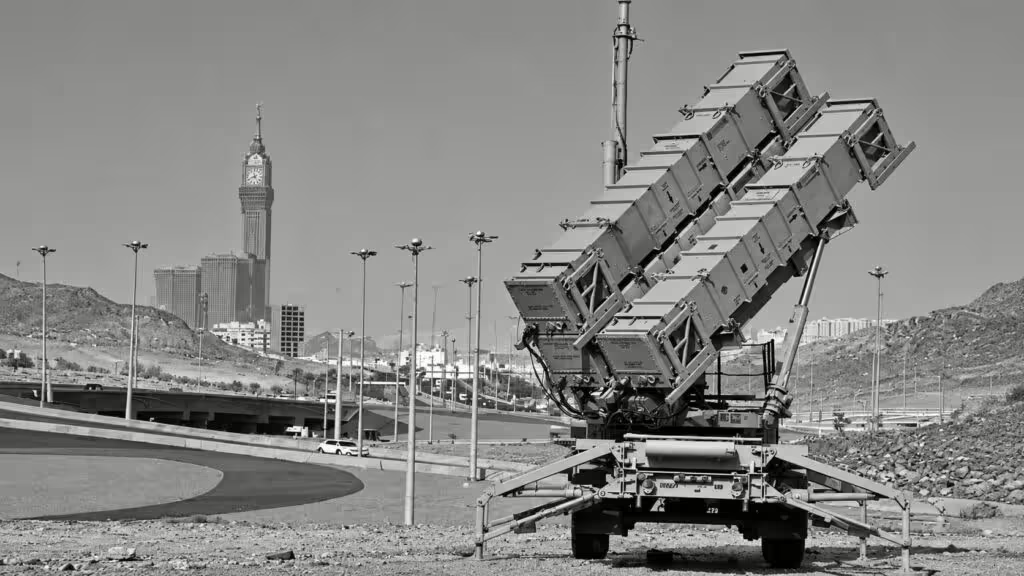
Saudi Arabia is reaching past Washington for air defense after analysts estimated the kingdom had burned through 86% of its interceptor stockpile by July, the Los Angeles Times reported. Riyadh has signed a $3.2 billion missile-defense deal with South Korea and a drone agreement with Ukraine, while local firms move into interceptor production. Houthi attacks have been daily since the long-standing ceasefire collapsed.
Details:
- The scale of fire: Officials said Iran launched more than 7,000 drones and missiles at Gulf states over more than nine months of war. In the first two months alone, over 1,000 of them targeted Saudi Arabia, according to an analysis by the International Institute for Strategic Studies.
- The Riyadh airport strike: A Houthi cruise missile hit Riyadh International Airport last month, killing 13 people and wounding more than 300, the Los Angeles Times reported. The airport was closed to most flights for months, and the losses pushed Saudi Arabia to cancel or postpone a set of international events.
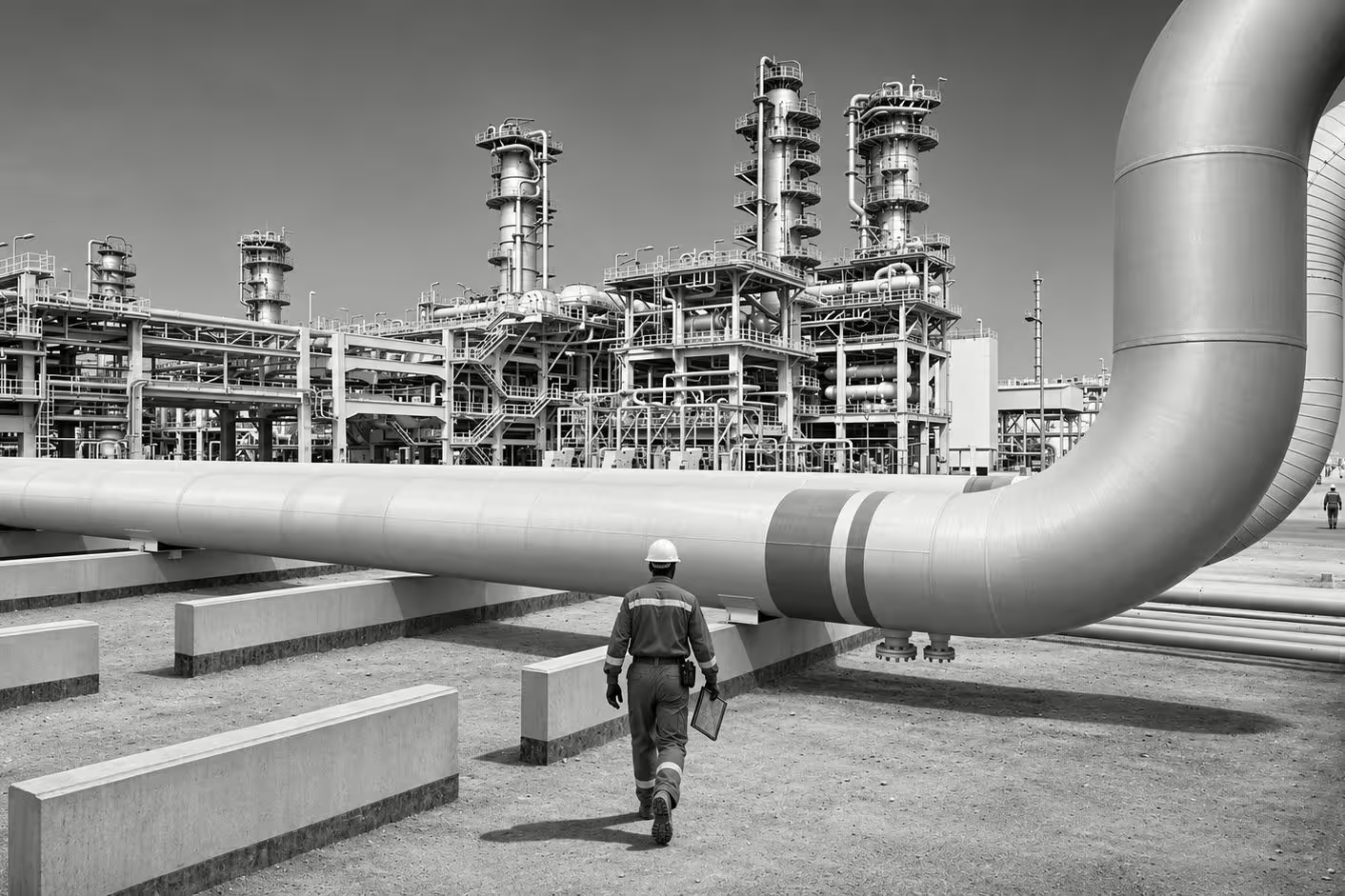
- Symbolic targets: A Houthi missile damaged the state oil company’s headquarters in central Riyadh on November 8, followed by an attack on the sovereign wealth fund’s headquarters. Other strikes hit oil facilities, including the East-West pipeline used to move energy exports from the Gulf to the Red Sea.
- The cost equation: Experts said Riyadh stays on the losing side of the exchange: a PAC-3 costs $4 million and a THAAD interceptor $12 million, each taking two years or more to build, to destroy a drone or ballistic missile costing tens of thousands and produced far faster.
- Production bottleneck: Lockheed Martin needs 24 to 30 months to build a single PAC-3 and can produce slightly more than 600 a year. It said it received a $58 billion Saudi contract to triple PAC-3 output past 2,000 missiles by end-2030, plus a $35 billion deal to quadruple THAAD output toward 400.
- Queue competition: Congress approved a $9 billion request in January for 730 PAC-3 missiles for Riyadh. But 19 countries operate Patriot systems and many face interceptor shortages tied to the war in Ukraine, while a September 2025 US Army request for roughly 2,000 Patriots competes for the same line.
- The geography problem: IISS defense analyst Saska Brochmann said the country is too large to defend at once and radar coverage cannot be everywhere, forcing forces to shift between sites. She added that the Houthis exploit proximity and route munitions through zones they know lack sensors.
- The layered architecture: Saudi Arabia fields at least six THAAD batteries with six launchers each, 108 Patriot launchers plus older Hawk missiles for closer threats, and fighter jets against slower drones. Lockheed staff said crews typically fire two interceptors per incoming projectile.
- New suppliers and allies: The Saudi military tested interceptors including the B1-Sun built by Ukraine’s Skyfall; Tactical Report said the trials succeeded and the military intends terminal-phase use, with no deployment announced. France and Britain sent jets, Pakistan and Turkey sent troops under the Mecca Pact, Greece has kept a Patriot battery in Yanbu since 2021, and Egypt’s parliament approved sending troops last month.
- Local manufacturing: SR2 Defense Systems and Utah-based Vector are building a plant near Riyadh for Skywasp, a Saudi version of Vector’s Bombard drone, plus a smaller Yellow Jacket variant. Co-founder Lucien Ziegler said the war with Iran changed the urgency, interceptors became a development priority, and manufacturing inside your own borders confers power.
Background:
Saudi Arabia has for decades been among the world’s heaviest arms buyers, spending billions on advanced equipment that accounted for more than a tenth of total US weapons exports. Its interceptor arsenal is built mainly around American-made Patriot PAC-3 and THAAD systems. Stockpile levels are classified.
Between the lines:
The kingdom’s turn to Ukraine, South Korea and a plant near Riyadh is driven less by politics than by arithmetic already on the page: 30-month build times, a 600-missile annual line shared with 19 Patriot operators and the US Army, and a $4-million interceptor spent on a target worth a fraction of that. Co-production is the only lever that changes the exchange rate rather than the queue position.
What’s next
Watch whether Riyadh formally announces deployment of Ukraine’s B1-Sun interceptor, when the SR2-Vector plant near Riyadh begins Skywasp output, and whether Egyptian troops arrive under last month’s parliamentary approval.