
Key Points
- QatarEnergy has secured 7 million tonnes per year of US LNG supply within weeks, with more in talks.
- Iranian strikes cut Hormuz LNG departures from about eight weekly to two last week.
- The buying spree deepens Doha's exposure to an expected global gas glut around 2029.
The latest:
QatarEnergy has locked up 7 million tonnes a year of liquefied natural gas from plants outside Qatar in the space of a couple of weeks, with advanced talks under way for at least 5 million tonnes more from Louisiana and Texas. Chief executive Saad Al Kaabi said the target was well above 7 million tonnes annually. Before the war, the company held no LNG supply abroad except Golden Pass.
Details:
- The shipping picture: LNG tankers transiting the Strait of Hormuz, mostly Qatari, ran at roughly eight a week through September and October. That dropped to two reported last week as Iranian attacks intensified. The strike that set the Tara Gas carrier ablaze last Monday underlined the risk to flammable gas vessels.
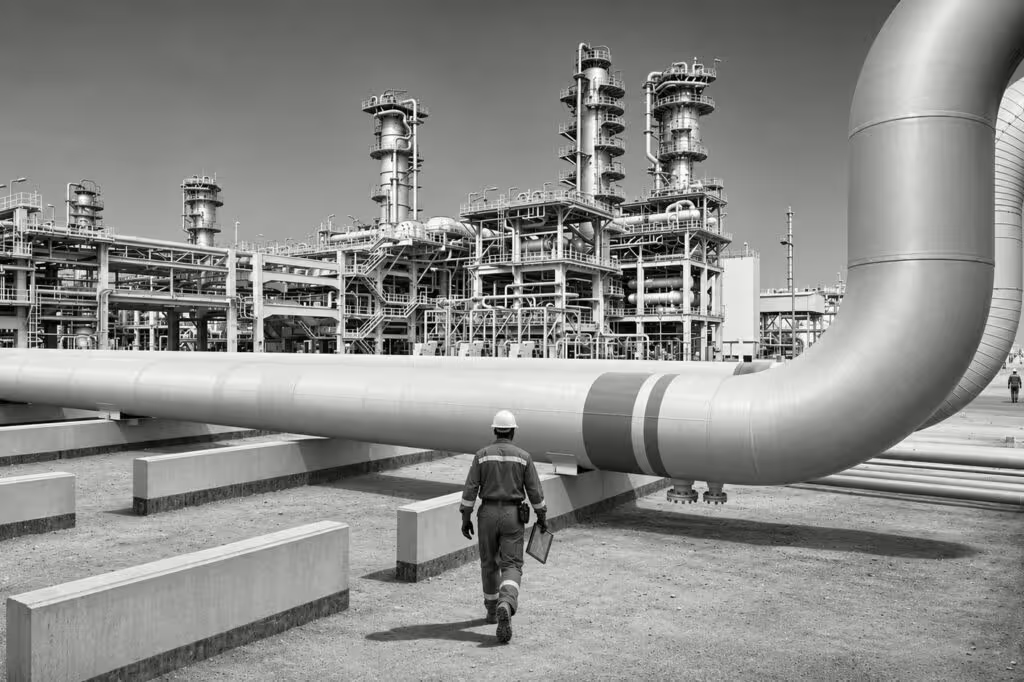
- Damaged capacity: Iranian missiles struck two QatarEnergy processing trains in March, accounting for about 17 per cent of capacity. Repairs are expected to take roughly three years. Alongside Tehran’s blockade of Hormuz, the outages have cost the company its reputation for absolute reliability as a supplier.
- Poland walks away: Orlen gave notice on November 10 that it was terminating its 20-year contract to buy Qatari LNG, after a lengthy force majeure period during which QatarEnergy could suspend deliveries. Orlen has since entered renegotiations with the Qatari firm.
- Why Orlen moved: The terminated contract carried a high linkage to oil prices and was exceptionally expensive, though it would now be cheaper for Poland given elevated European market and spot prices. Orlen is judged to be betting it can buy spot gas or strike a better long-term deal once a glut arrives around 2029.
- The expansion squeeze: QatarEnergy launched the North Field East, South and West projects to counter a wall of new supply, mostly American, arriving between 2028 and 2030. The first two were well under way when the US and Israel began their assault on Iran. Completed, they will almost double Qatar’s capacity.
- Contract terms: The company was slow to market the new volumes while still demanding terms of at least 15 years and preferably up to 27, destination clauses restricting resale that are legally problematic in Europe and Japan, and premium prices preferably linked to oil.
- Demand erosion: High prices since Russia began strangling European gas supply in September 2021 have eroded demand. Renewables and batteries have grown more competitive, demonstrated by Pakistan’s solar boom, while several Asian nations have returned to coal for supply security.
- The timing gap: The new US contracts only begin deliveries around 2030-31, so they do not fill the immediate hole left by disrupted Qatari exports. QatarEnergy has not disclosed how it intends to cover the intervening years.
- Market weight: Analyst Robin Mills estimated Qatar could command about a quarter of global LNG supply, a more dominant position than Opec holds in oil, since control sits centrally with Al Kaabi rather than across 11 often-disputatious members.
Background:
Qatar held the position of the world’s most important LNG actor around 2011 before a wave of new suppliers, particularly the United States, eroded its share. Golden Pass in Texas, a joint venture with ExxonMobil, was its only LNG asset outside Qatar before the war.
Between the lines:
Mills argued the strategy hedges both outcomes. If Hormuz stays restricted, prices hold up and the US contracts turn profitable; if a peace deal reopens traffic, the new Qatari trains and US volumes together create a mega-glut, but Qatar’s production costs are low enough to stay profitable and absorb losses on the American portfolio. He added that cheap gas could help LNG take share from coal.
What’s next
Watch the outcome of Orlen’s renegotiation with QatarEnergy, the pace of weekly Hormuz transits, progress on the 5 million tonnes still under negotiation in Louisiana and Texas, and the three-year repair timeline on the damaged trains.