The latest:
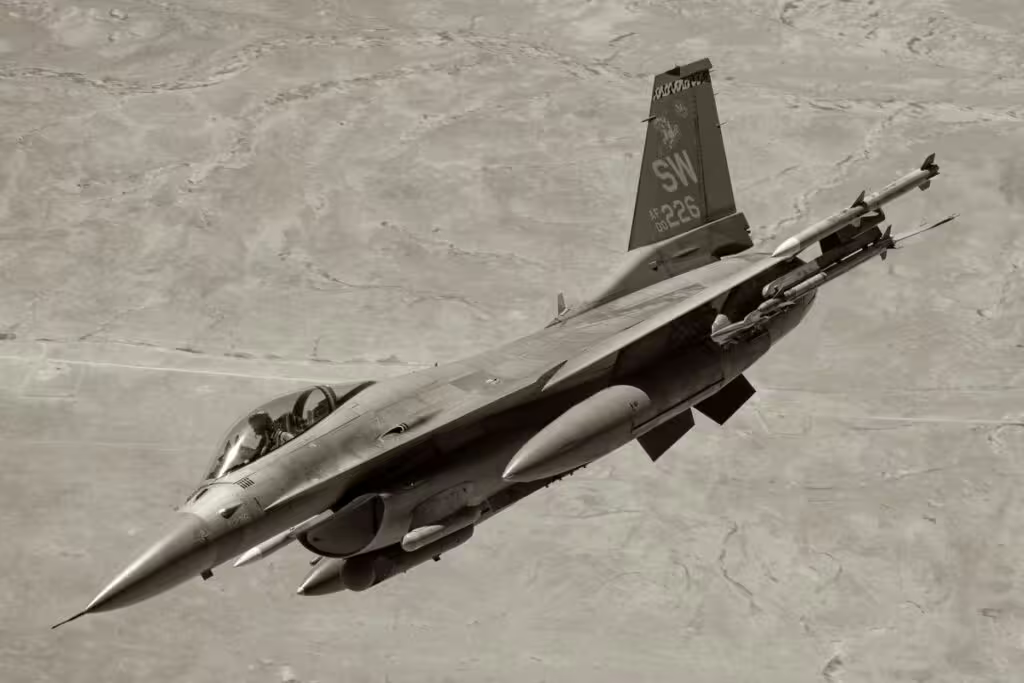
Iran’s Islamic Revolutionary Guard Corps (IRGC) claimed that Iranian air defenses fired a missile at a US F-16 fighter jet over the Gulf on Friday evening, damaging the aircraft and forcing it to abort its mission and make an emergency landing at a nearby airport.
US Central Command (CENTCOM) categorically denied the claim in a social media post, stating:
“Iran did not attack any US F-16 fighter aircraft yesterday. All US military fighter aircraft in the Middle East are safe and accounted for.”
Details:
- The claim: State media quoted Iran’s army as saying the F-16 was damaged by a surface-to-air missile over the Gulf on Friday evening and diverted to a nearby airport. Iranian authorities did not identify the airport, the unit involved, or the aircraft’s base.
- The military threat: Army spokesman Brigadier General Mohammad Akramnia told Iranian television any new aggression would meet a decisive, immediate response not confined to any geography. He spoke while inspecting coastal units at Bandar Abbas, Kuhestak, Sirik and Jask, claiming Iran’s forces are far stronger than before.
- Hormuz operations: An official described by Iranian television as informed on military affairs claimed Iranian forces ran one of their most varied offensive and defensive operations in 24 hours against ships he called non-compliant and against US aircraft, and claimed CENTCOM’s escorted tanker convoy plan had failed.
- Tankers hit: The UK Maritime Trade Operations said projectiles of unidentified origin struck two tankers exiting the Strait of Hormuz off the Omani city of Khasab, one in the stern and one in the engine room, with no reported casualties. Iran’s navy separately said a tanker caught fire before noon Saturday after striking a sea mine in a restricted zone east of Hormuz, and Fars quoted the navy as saying the vessel had switched off its identification and navigation systems before entering despite published warnings.
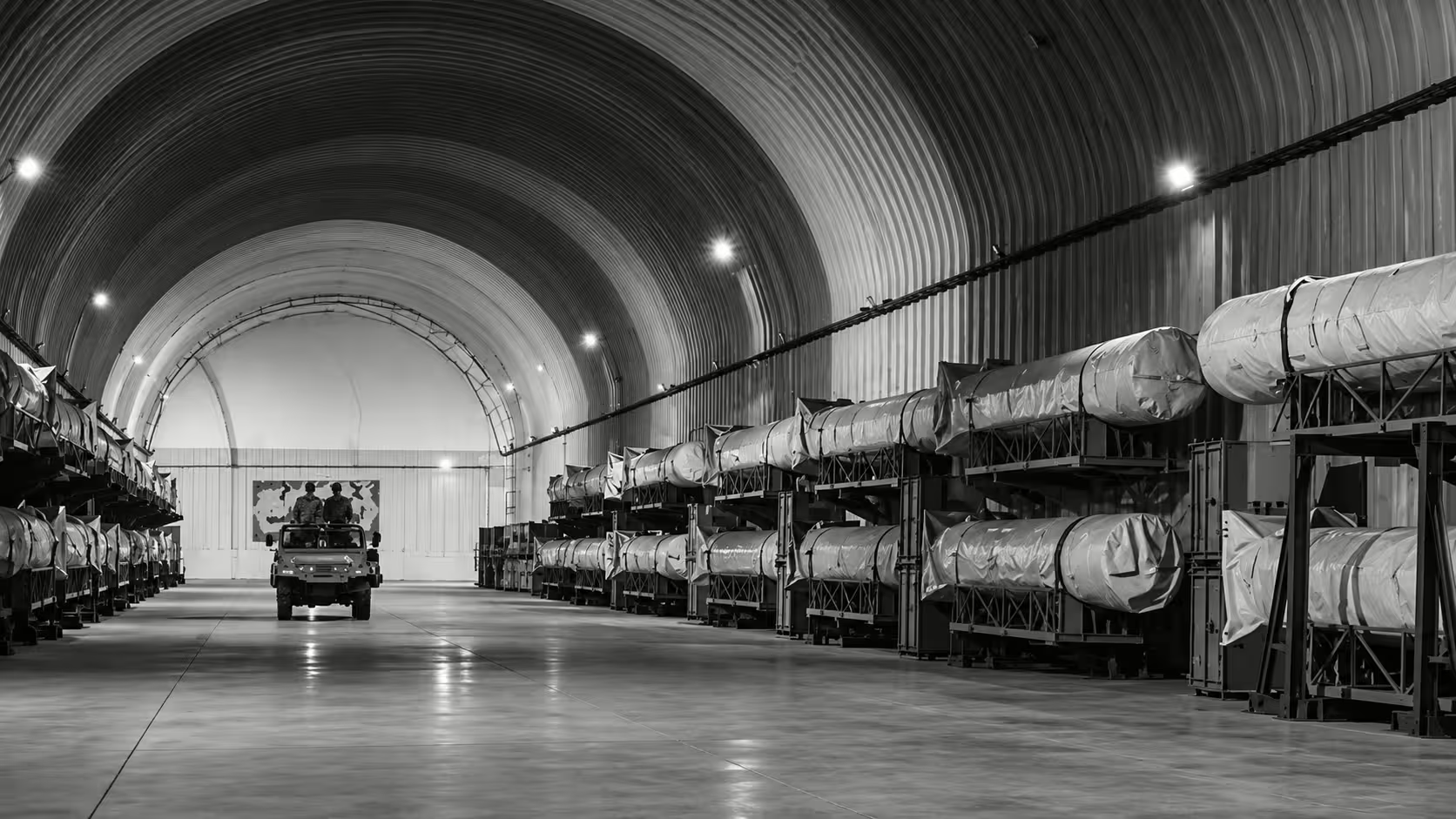
- New launcher: Fars reported IRGC commander Ahmad Vahidi inspected a missile city belonging to the aerospace force, where a launcher capable of carrying and firing two liquid-fuel missiles simultaneously was unveiled. The agency said such missiles can launch vertically and vary speed to penetrate air defenses.
- The US pressure: US Treasury Secretary Bessent told Newsmax that two and a half months into what he called the largest economic isolation program in history, there is no longer oil in Iranian waters. He said the regime is warning Iranians of a harsh winter and predicted Revolutionary Guard infighting.
- Tehran’s economy: President Masoud Pezeshkian told a capital markets conference Iran faces an economic war harder than a missile war. He acknowledged a difficult winter, said gas production strikes worsened pre-existing shortages, and pledged government offices would lose power before factories.
- The diplomatic track: Foreign Minister Abbas Araghchi said Iran sent Washington a seven-day plan through Qatar in late September under which the US acts first, Iran reopens Hormuz, then final-status talks begin. He said the window was cut to two days before the US midterms; Washington did not reply.
- Nuclear red lines: Araghchi set two red lines on roughly 400 kilograms of uranium enriched to 60%: it will not leave Iran, and it will serve Iranian needs. He said official doctrine is unchanged and that Russia and China oppose changing it.
Background:
Iran has tied the reopening of the Strait of Hormuz to the lifting of US pressure. Washington’s campaign, which Bessent dates to roughly two and a half months ago, targets Iranian oil exports, while strikes have hit Iranian energy production capacity.
Between the lines:
The two accounts point in opposite directions. Tehran describes a strategic balance shifting its way, citing the F-16 claim, the convoy plan it says failed, and new missile hardware. Washington describes a cornered adversary, with Bessent calling Iran a wounded animal that may fire randomly. Araghchi’s two-day offer and Pezeshkian’s winter warning suggest Tehran is also weighing an exit.
What’s next
Watch for a US military statement on the F-16 claim, any American response to Araghchi’s revived two-day plan, and further attacks on shipping leaving Hormuz as winter power shortages bite inside Iran.