Key Points
- Security units massed near Jurf al-Sakhar without deploying, an ontime+ correspondent reported
- A new command center under the Federal Police was formed on Zaidi's orders
- Washington expects the premier to hold Iran-aligned armed factions accountable
The latest:
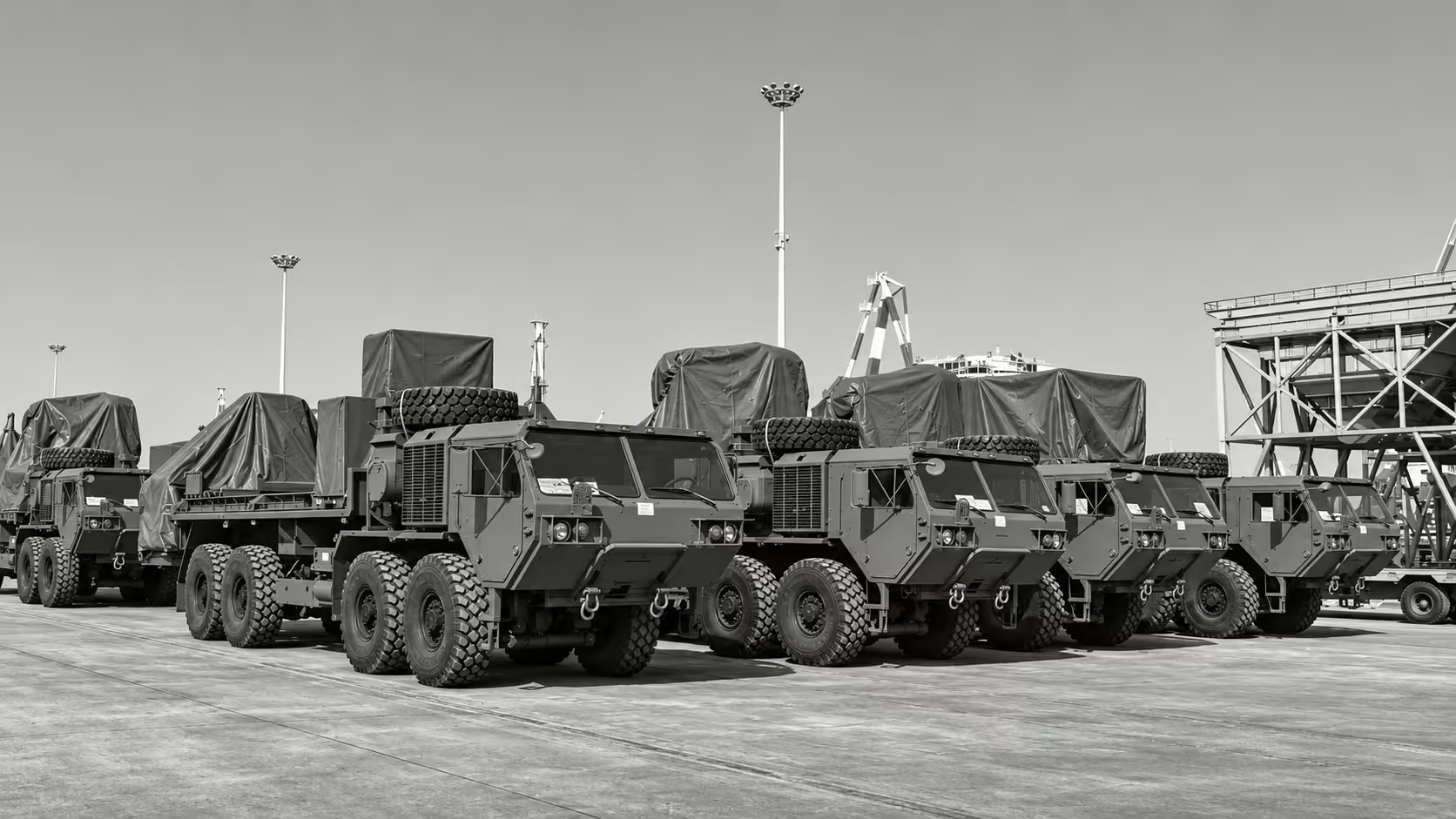
Security forces took up positions near Jurf al-Nasr in northern Babil without moving in, hours past the 6 a.m. opening announced for the new command center. The reasons for the delay remained unclear, according to a correspondent on the ground. The deployment had been scheduled to follow a joint press conference at 9 a.m. Baghdad time.
Details:
- The announced timing: According to a statement by Sabah al-Numan, spokesman for the commander-in-chief of the armed forces, the command center was to open from 6 a.m., with security units then spreading across the entire area once the press conference concluded. No new start time was announced after the hour passed.
- The command structure: Numan said the order to form the command center in Jurf al-Sakhr was issued on instructions from commander-in-chief Ali al-Zaidi. He said the center is linked to the Federal Police command in all respects, and that its operational sector falls within the administrative boundaries of Jurf al-Sakhr.
- Who runs it: Lieutenant General Ahmed Hatem Hamid was named to lead the command center, with Major General Hussein Ali Nasif deputy for defense affairs and Oday Abdul-Aimma Mus’hab deputy for Popular Mobilization affairs. The formation comprises one army brigade, one Federal Police brigade and two Popular Mobilization brigades.
- Powers granted: The spokesman said the command center holds full delegation and authority, and described the replacement of forces as a routine procedure. Hamid, the center’s commander, separately announced that the headquarters had been opened.
- Popular Mobilization position: The Popular Mobilization Authority said in a Thursday statement it would begin rotating the military units stationed in Jurf al-Sakhr on Friday morning, in line with approved military procedures. Its 72nd Brigade is preparing to deploy into the area.
- Federal Police readiness: Federal Police forces announced they had completed all preparations to take over the command center. A correspondent reported their formations were waiting to enter Jurf al-Nasr and spread throughout it after the joint press conference held by Security Media Cell chief Lieutenant General Saad Maan.
- Roads reopening: Maan said the main road leading to Jurf al-Sakhr would open to civilians at 6 a.m., part of measures to restore state authority and reopen routes closed in the area for years.
- Kataib Hezbollah response: Kataib Hezbollah said in a Thursday statement attributed to its secretary-general Abu Hussein al-Hamidawi that outstanding problems with the head of government would be handled through private channels, with the stated aim of “denying the original enemies an opportunity”.
- The US position: A US State Department spokesperson told Washington expects Prime Minister Ali al-Zaidi to hold Iran-aligned militias accountable, citing their involvement in violent and destabilizing activity inside Iraq and across the region.
- Economic accusations: The same spokesperson said those factions are actively working to undermine Iraq’s sovereignty, weaken its economy and loot its resources through patronage and corruption, serving their own interests and those of the Iranian government.
Background:
The government move follows a deadline given to Kataib Hezbollah to leave Jurf al-Sakhr and hand it to the armed forces, after accusations of oil smuggling and profiting from illegal operations there over several years.
Between the lines:
Tying the command center to the Federal Police in all respects while giving the Popular Mobilization one deputy post and two brigades places the handover inside a single institutional frame rather than a confrontation. Hamidawi’s line about private channels points the same way, and helps explain why the commander-in-chief’s spokesman called the replacement routine.
What’s next
The joint press conference bringing together the Security Media Cell chief, the commander-in-chief’s spokesman and the Popular Mobilization Authority in Jurf al-Sakhr, followed by the actual deployment and the reopening of the main road.