Key Points
- Security officials say IRGC operatives used Lebanese and Iraqi papers for over 20 years to travel covertly.
- An Israeli strike in Beirut's Raouche in March killed IRGC officials who checked into a hotel on Lebanese passports.
- Lebanon voided non-biometric passports from October 1, closing a route Tehran used to move operatives regionally.
The latest:
Lebanon accelerated its switch to biometric passports after an Israeli missile struck a Beirut hotel room in March, killing IRGC officials who had checked in using Lebanese documents found in the rubble. Security officials in Lebanon, Iraq and the United States told The National that Iranian operatives have relied on false or borrowed identity papers for more than two decades. Non-biometric Lebanese passports became invalid for travel on October 1.
Details:
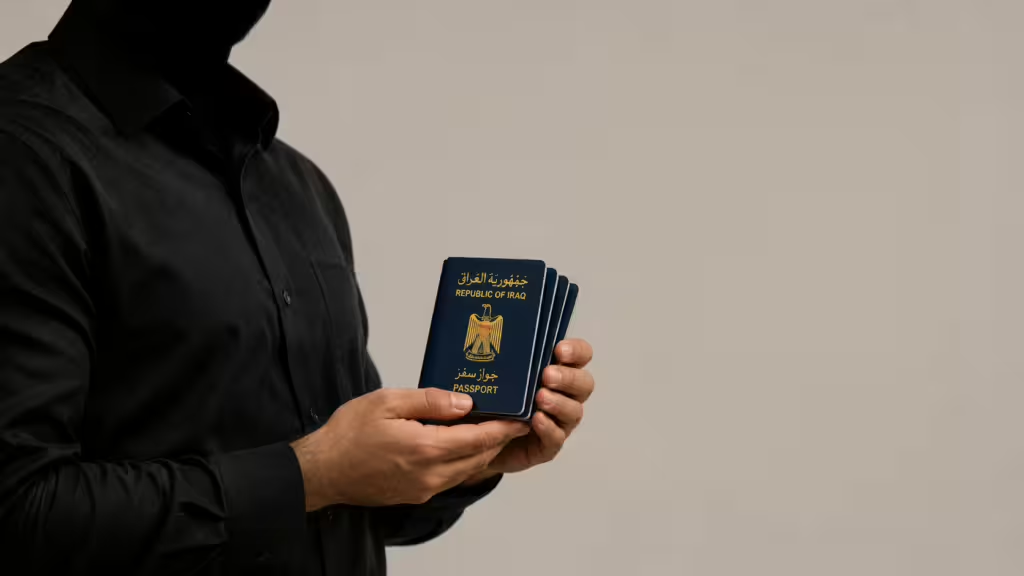
- The scale: Lebanese and Iraqi identity documents held by IRGC members, obtained through forgery or legal channels, are believed to number in the hundreds, according to officials who spoke to The National anonymously. Exact figures remain unknown. The documents allowed operatives to travel without attracting suspicion.
- The Raouche strike: The Israeli military said those killed in March were IRGC commanders Majid Hassani, Alireza Biazar and Ahmad Rasouli, intelligence agent Hassan Ahmadlou and Hezbollah representative Abu Muhammad Ali. Iran said six people died and described them as diplomats. It was the first Israeli strike inside Beirut’s city limits during the 2026 war.
- Why biometrics: A Lebanese security official said the passports used at Raouche were non-biometric, making them easier to forge and harder to authenticate. “You can’t cheat the biometric system, it has your history,” he said. Security agencies then agreed to phase out the older documents.
- The Iraq file: Three politicians and two security officers said IRGC and Hezbollah operatives received Iraqi papers after the 2003 US-led invasion, concentrated between 2003 and 2008. A retired intelligence officer who served until 2016 estimated cases numbered in the dozens, given to those training and organising militias.
- Named cases: Matthew Levitt, a former FBI analyst and Treasury official, said Hezbollah operative Ali Musa Daqduq carried two types of Iraqi identity cards when captured in 2007. US prosecutors said in 2020 that Iranian businessman Amir Dianat held an Iraqi passport under an alias; the Treasury sanctioned him that year.
- How papers were issued: The Iraqi intelligence officer said some documents were issued with the knowledge of officials, particularly inside an Interior Ministry where pro-Iran militias held influence, while in other cases militias supplied them directly or had them forged in Iran. Levitt called the use of Iraqi passports a very significant problem.
- Citizenship routes: Officials said Iranians, including operatives and relatives, were granted citizenship with naturalisation decrees withheld from public disclosure. In Lebanon a contested 2018 decision surfaced only under political pressure. In Iraq, citizenship is granted administratively and individual outcomes are not necessarily disclosed. Others naturalised through marriage.
- Western passports: Levitt said dual nationals linked to the IRGC use genuine secondary passports from western countries, often reporting them lost to obtain clean documents without Middle East stamps, then pairing them with forged driving licences to rent cars or storage units.
- The wider crackdown: Lebanon banned Hezbollah’s military activities and ordered the eviction of Iranians tied to the IRGC days before the Raouche strike. Officers suspected of links to the group were removed from duty at Beirut airport, a step reportedly requested by Washington as a condition for preventing Israeli strikes there.
- Other holders: A second Lebanese security official said Yemenis and Iraqis also held such documents. Palestinians and Syrians arrested over unrelated crimes were found with passports described as entirely original but absent from the system, a case the official said is under investigation.
Background:
Hezbollah was established with Iranian support in Lebanon in the early 1980s and financed by Tehran since. Israeli strikes have killed many of its commanders, and Israeli forces still hold parts of southern Lebanon. Security sources say the IRGC has expanded its role in the group’s decision-making over the past three years.
Between the lines:
The passport file sits inside a broader American campaign to sever Hezbollah from Tehran, visible in the airport personnel purge Washington reportedly demanded. Lebanon’s financial crisis kept non-biometric stock in circulation for years, so documents already issued remain in hands abroad. Iraqi officials recognise the issue damages ties with western partners, Levitt said, but their capacity to end the practice is limited.
What’s next
Watch the investigation into the unregistered Lebanese passport batch, enforcement of the ban on Iranians tied to the IRGC, and whether Baghdad moves against papers issued through the Interior Ministry.