Key Points
- Oil Minister Bassem Mohammed Khudair al-Abadi said talks with OPEC on raising Iraq's output ceiling are ongoing.
- The ministry will announce a seventh licensing round next year covering undeveloped fields and exploration blocks.
- Baghdad is tying higher production to the revenue it needs for infrastructure spending.
The latest:
Iraq is pressing OPEC to lift its production ceiling and raise its quota, Oil Minister Bassem Mohammed Khudair al-Abadi said Thursday, tying the request to what he described as the country’s exceptional circumstances and its need for revenue to fund infrastructure. He also announced that a seventh licensing round, covering undeveloped blocks and fields, will be launched next year.
Details:
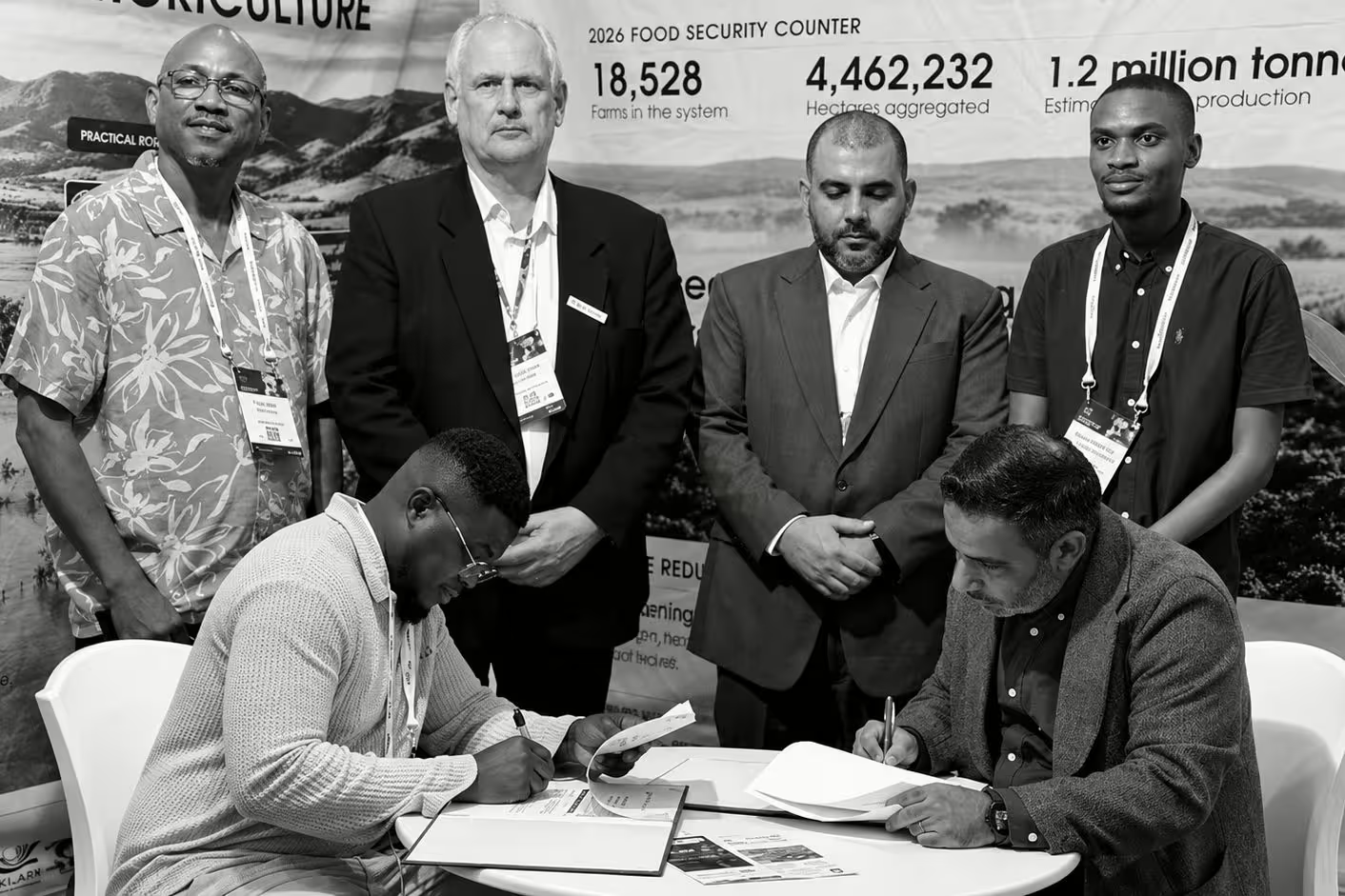
- The setting: The ministry, represented by its Petroleum Contracts and Licensing Directorate, held an expanded seminar Thursday with representatives of major international and national investment companies, according to a statement carried by the Iraqi News Agency. The event was held under the banner of reaching 10 million barrels per day.
- The OPEC track: Al-Abadi said dialogue with OPEC is continuing on raising the production ceiling and Iraq’s share, in line with the country’s requirements and its need to strengthen financial revenues for infrastructure development. He did not disclose the quota figure Baghdad is seeking, nor a timeline for the talks.
- The licensing round: The minister said the ministry will announce the seventh licensing round during the coming year, dedicated to undeveloped blocks and fields. He did not name the blocks involved or set a launch date, and the statement did not identify which companies have been approached.
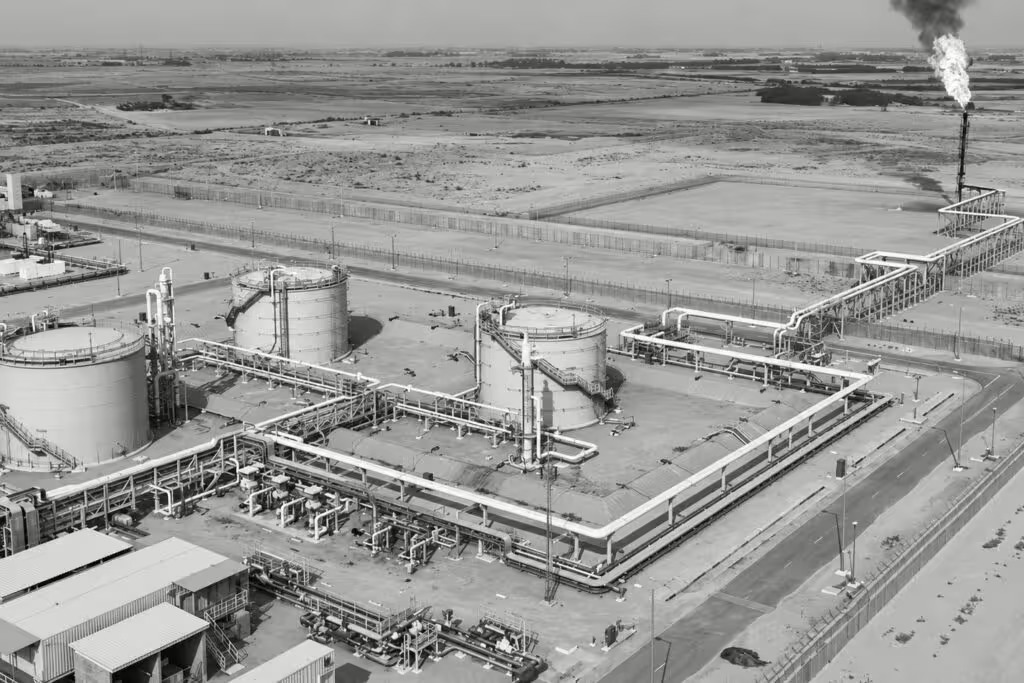
- Message to operators: Al-Abadi urged companies operating Iraqi fields to intensify their efforts and push output to the maximum technically and operationally achievable rates, calling for faster execution of production plans and for obstacles facing the companies to be removed.
- Partners, not contractors: The ministry does not view investment companies as “merely contractors executing specific obligations, but rather as essential partners in developing Iraq’s oil and gas industry,” al-Abadi said, linking that framing to the government program and ministry plans on output volumes and product specifications.
- Local hiring and training: The minister pressed foreign and national companies to employ Iraqi labor across all specializations in Basra and other provinces through transparent and public procedures, and to build specialized training programs enabling Iraqi staff to operate and manage oil fields efficiently.
- Community spending: He also called on companies to carry out service projects improving infrastructure in areas near their operating sites, saying the broader aim is to generate suitable job opportunities for local residents.
- Pipelines and safety: Al-Abadi asked foreign firms to help develop the monitoring system for oil pipelines to improve surveillance and protect installations, and demanded strict compliance with occupational health and safety rules at work sites, with no leniency in applying them.
- Corruption warning: The minister urged companies to work around the clock to meet ministry targets, and stressed the need to combat favoritism and corruption. The statement gave no detail on enforcement mechanisms or past cases.
- Who attended: Deputy Minister for Extraction Affairs Nasir Aziz and Deputy Minister for Gas Affairs Ezzat Saber attended, alongside directors general of the ministry’s companies and relevant departments.
Background:
Iraq is OPEC’s second-largest producer and depends on crude sales for the overwhelming share of state revenue. Its output level is governed by quotas agreed within the OPEC framework, which caps how much Baghdad can legally sell even when field capacity allows more.
Between the lines:
The two announcements are linked by one constraint. Opening undeveloped blocks in a seventh licensing round expands capacity, but capacity above the OPEC ceiling does not become revenue. That is why al-Abadi framed the quota request around revenue needs rather than geology, and why he pressed operators to reach maximum technically achievable rates. The demands on local hiring, training and community projects set the terms Baghdad wants attached to the next round.
What’s next
Watch for the formal announcement of the seventh licensing round and its block list during 2027, and for any OPEC decision adjusting Iraq’s production ceiling at the group’s next scheduled meeting.