The latest:
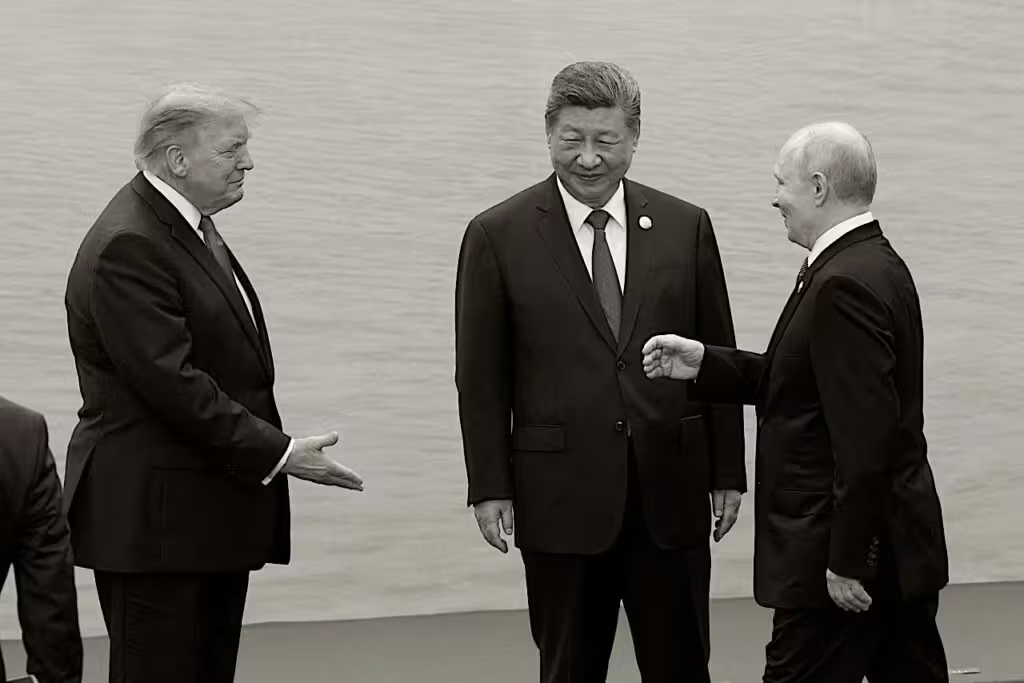
A three-way leaders’ meeting between Donald Trump, Xi Jinping and Vladimir Putin is scheduled for November 19 in Shenzhen, alongside the APEC summit China is hosting in the same city. Chinese foreign ministry spokesman Guo Jiakun said the three would hold in-depth dialogue on major issues tied to global peace, according to Xinhua. Nuclear arms limits are expected to dominate the agenda.
Details:
- The agenda: Nuclear weapons, the war involving Iran, the war in Ukraine and the balance of power among leading states are all expected to be raised, according to Xinhua. Al-Ain reported that Trump has signaled interest in reducing nuclear arsenals and possibly new limits covering all three major nuclear powers.
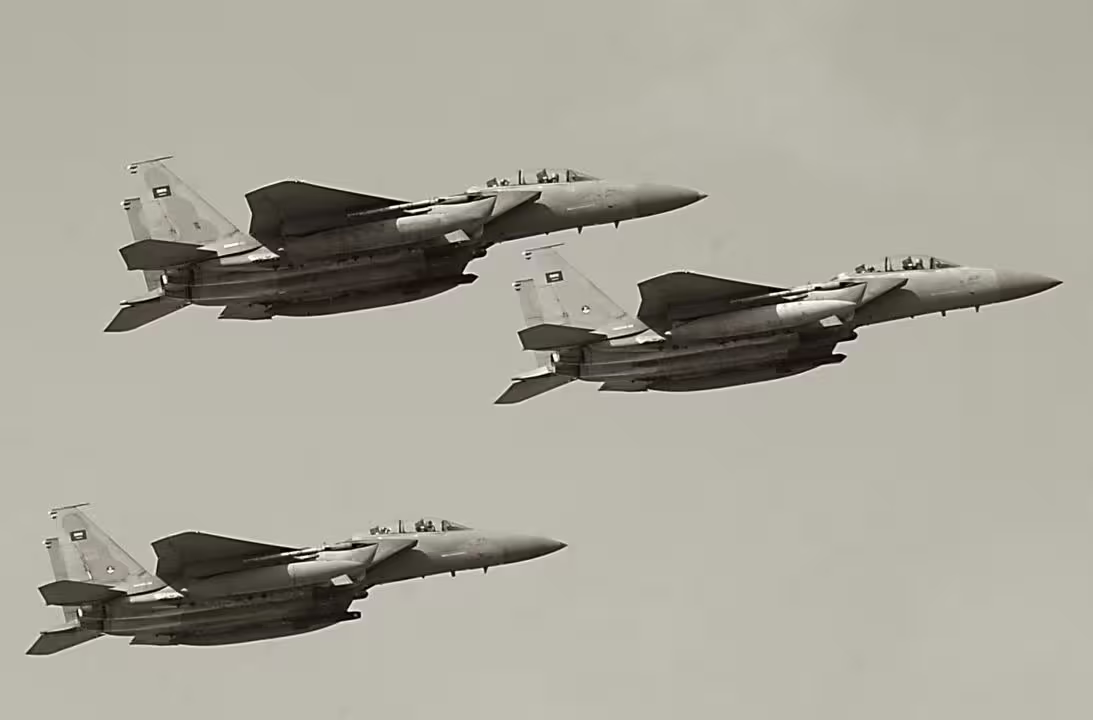
- The arrival: Xi received Trump personally at Shenzhen Bao’an International Airport on November 18, Xinhua reported, with military honors, national anthems and a fighter-jet flypast. The reception mirrored Trump’s welcome for Xi at Joint Base Andrews on September 23, 2026, when two B-1B Lancer bombers flew over the ceremony.
- Xi and Putin first: Xi met Putin separately in Shenzhen on Wednesday, ahead of the trilateral. Xi said the China-Russia relationship had brought greater stability and certainty to a turbulent world, Xinhua reported, and called it a model of major-power cooperation based on equality and mutual respect.
- The anniversaries: Xi highlighted two markers: 30 years since the China-Russia strategic coordination partnership was established, and 25 years since the treaty of good-neighborliness and friendly cooperation was signed. He urged both countries to deepen cooperation and advance what Beijing calls the democratization of international relations.
- The APEC frame: Xi and his wife Peng Liyuan hosted a welcome banquet for visiting leaders on November 18. Xi described Shenzhen as an example of China’s economic transformation, saying openness is embedded in the city’s identity and that innovation and cooperation drove its success, according to Xinhua.
- The numbers: Xinhua said the APEC gathering drew more than 2,000 representatives from 21 member economies plus 13 others, including Britain, France, Germany and Switzerland. APEC economies account for roughly 40% of the world’s population, more than 60% of global GDP and about half of international trade.
- The European worry: Al-Ain, citing an Axios report, said European officials were concerned Trump could offer concessions on Ukraine, fearing decisions touching their own security could be discussed without them at the table. Trump pointed to the possibility of raising both Iran and Ukraine, despite earlier statements by US officials that Ukraine would not appear on the formal agenda. No agreed agenda has been published.
- The precedent: Trump’s trip extends a line of US presidential visits to China that began when Richard Nixon traveled to the mainland from February 21 to 28, 1972, ending more than two decades of diplomatic isolation. National security adviser Henry Kissinger had made a secret visit to meet Premier Zhou Enlai in July 1971.
- China’s stake: China is a major consumer in Middle East energy trade, including from Iran in the past, and has a direct economic interest in restoring Gulf stability and protecting maritime trade. Russia has its own history of participating in negotiations over Iran’s nuclear program.
Background:
Successive US presidents followed Nixon to China: Gerald Ford in 1975, Ronald Reagan in 1984, George H.W. Bush in 1989, Bill Clinton in 1998, George W. Bush at least four times between 2001 and 2008, Barack Obama, and Trump twice before, once in his first term and again in May 2026.
Between the lines:
Hosting both APEC and the trilateral in Shenzhen lets Beijing stage its global role rather than argue for it, a point reinforced by Xi’s framing of the city as proof of China’s openness. The 30-year and 25-year anniversaries Xi cited with Putin give the multipolarity argument an institutional history. But shared opposition to US primacy is not a shared security vision, and the three leaders’ interests remain divergent.
What’s next
Whether the November 19 session produces any announced framework on nuclear limits, whether Ukraine surfaces despite US officials excluding it from the formal agenda, and how European capitals respond to any Trump-Putin understanding reached without them.