Key Points
- Ron Howard's new Netflix documentary on Richard Avedon avoids the photographer's personal darkness, The New Yorker writes.
- Avedon, who died in 2004, built a career on images of exacting, almost total compositional control.
- The reticence mirrors its subject, critic Naomi Fry argues, raising the question of who an authorized portrait serves.
The latest:
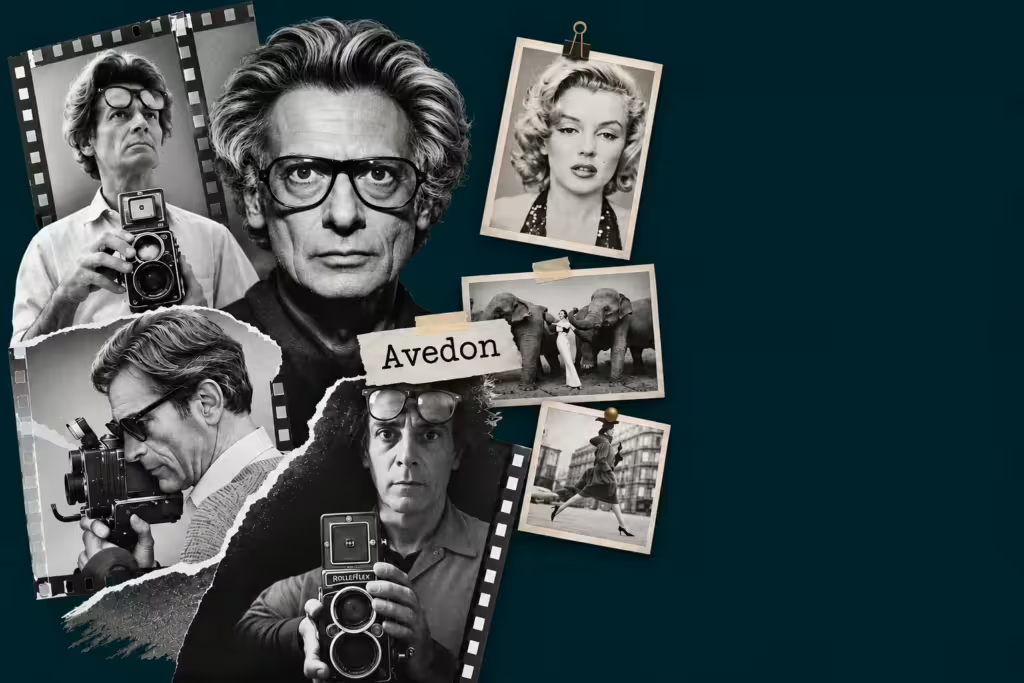
A new Netflix documentary by Ron Howard about Richard Avedon is cagy about the dark underside of the legendary photographer’s life, according to a review by Naomi Fry published in The New Yorker on November 14, 2026. Fry writes that the film shows the scars of Avedon’s subjects but not the photographer’s own, a reticence she suggests may be fitting for an artist whose pictures were studies in utter control.
Details:
- The film: The documentary is a Netflix release directed by Ron Howard, built around the life and work of Richard Avedon, one of the most recognizable names in twentieth-century American photography. The review does not describe it as a theatrical release or name a running time.
- The central criticism: Fry’s argument is that the film withholds. Her review is headlined around the idea that Avedon shows the scars, just not the photographer’s own, framing the documentary as a portrait that declines to turn its scrutiny back on its subject’s private life.
- The defense Fry offers: The reticence is perhaps fitting, Fry writes, for an artist whose pictures were studies in utter control. She grants that an evasive film about a man who controlled every element of his frame carries a certain internal logic, even as she marks the evasion.
- The work cited: The review is illustrated with a photograph by Susan Middleton showing Avedon at work on In the American West, dated circa 1985. That series, shot across the American interior, remains among the most debated bodies of work in his career.
- The subject: Avedon made his name across fashion photography and portraiture, a body of work defined by stark framing and a refusal of incidental detail. The review treats his control over the image as the organizing idea of both his career and the film about it.
- The critic: Naomi Fry is a staff writer at The New Yorker who covers culture and celebrity. The piece ran under the magazine’s criticism banner on November 14, 2026, and is published behind a subscriber paywall.
- What is unstated: The review does not specify which episodes of Avedon’s personal life the documentary is said to sidestep, nor whether Howard or his producers sought cooperation from the Richard Avedon Foundation or the photographer’s estate.
- The genre question: The complaint is familiar for authorized artist documentaries, where estate cooperation and archival access can arrive paired with limits on how far a film will probe. Fry’s review places Howard’s Avedon film in that tension without resolving it.
Background:
Richard Avedon, who died in 2004, spent decades at Harper’s Bazaar, Vogue and later The New Yorker, where he was the magazine’s first staff photographer. The New Yorker’s own long association with Avedon is part of the context in which this review appears.
Between the lines:
Fry’s framing does double work. By suggesting the film’s evasiveness suits an artist devoted to control, she offers Howard an aesthetic defense while still registering the omission as a loss — the posture of a critic unwilling to let a formal justification settle a biographical question. The review’s own institutional position is worth noting: The New Yorker is assessing a film about a photographer the magazine itself employed.
What’s next
Whether other critics read the documentary’s omissions as deliberate restraint or a failure of nerve, and whether Howard or the Avedon estate addresses what the film left out, are the next signals.