The latest:
Iran-aligned Houthi fighters are now positioned about 60 kilometers from the center of Aden, seat of Yemen’s internationally recognized government, after taking the Lahj districts of al-Maqatira and al-Madaribah over three days, six military and government sources told Agence France-Presse. Government forces simultaneously announced a repositioning away from Bab al-Mandab. No Houthi or Saudi response to the withdrawal has been issued.
Details:
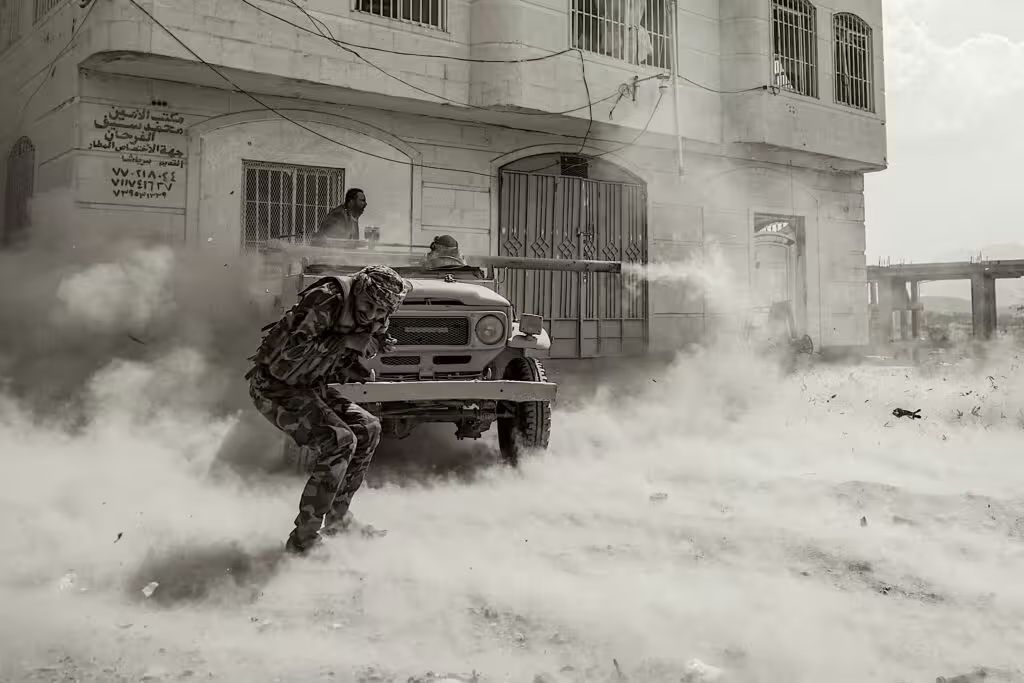
- The positions: AFP’s sources said Houthi fighters are stationed at al-Kharaz camp in al-Madaribah, 60 kilometers from the coastal city’s heart. Yemeni military sources told Reuters that units pulled back from Bab al-Mandab redeployed to al-Saqya, 150 kilometers west of Aden, while fighters in the northern highlands now sit just outside Tur al-Baha.
- The withdrawal: The Southern Armed Forces said it had repositioned units from Dhubab airport and the Bab al-Mandab area west of Taiz, framing the move as prioritizing the security of Aden and neighboring provinces. The government described it as a planned redeployment to help break the siege of Taiz.
- The Houthi account: Houthi forces claimed the units retreated after a flanking operation stretching more than 60 kilometers through mountainous terrain toward Khor Umaira, al-Maqatira and al-Madaribah, and published footage they said showed government positions being cleared.
- The government line: Military spokesman Colonel Majed al-Nuzaili said the Fajr al-Yaman operation continues until its objectives are met, reporting 901 operations in 24 hours using warplanes, drones, artillery and rocket launchers, with 201 Houthi fighters killed or wounded and 221 vehicles destroyed or disabled. No outside party confirmed those figures.
- The analysis: Ahmed Nagi, senior Yemen analyst at the International Crisis Group, told the New York Times the Houthis are determined to move on Aden and want to control everything at this moment. Brigadier Ali al-Dhahab assessed that the Dhubab pullout amounted to an evacuation completing Houthi control of the strait.
- Oil exposure: The Houthis said they struck King Khalid International Airport, Riyadh’s financial center and two pumping stations on the East-West oil pipeline. Saudi Arabia has rerouted about 4 million barrels per day to Yanbu via that line, close to 4% of global supply. Riyadh issued no confirmation.
- Humanitarian toll: UNHCR voiced deep concern over fighting reaching al-Kharaz refugee camp in Lahj, where around 9,600 people face heightened risk, and said nearly 330,000 Yemenis have been displaced since early August, roughly 48,000 of them in recent weeks.
- Collapsing services: Lahj’s deputy governor for health warned of imminent health system collapse, saying oxygen supplies cover only 2% of hospital needs and fuel available to Taiz hospitals meets 5%. Sanaa authorities said the airport closure blocked aid and prevented more than 4,000 patients from traveling abroad.
- Regional escalation: Reuters reported Iran launched drones at US bases in Bahrain, home of the Fifth Fleet. Bahrain said it intercepted and destroyed several Iranian aerial attacks, its first such interceptions since September. Fars quoted the Revolutionary Guard saying it struck a US base with six drones.
Background:
The Houthis seized Sanaa in 2014 and the government relocated to Aden. A Saudi-Emirati intervention from 2015 failed to reverse that, and a 2022 truce froze the lines without a peace deal. Fighting resumed in July, followed by the September Houthi sweep along the Red Sea coast.
Between the lines:
The redeployment ends a six-week campaign launched specifically to retake Bab al-Mandab, and the government’s own statement reframes the objective from the strait to defending Aden. With Houthi fighters 60 kilometers out, the chokepoint and the highlands above the interim capital are now held by the same side. Nagi’s reading, that the Houthis intend to leave the government no territory, fits that sequence.
What’s next
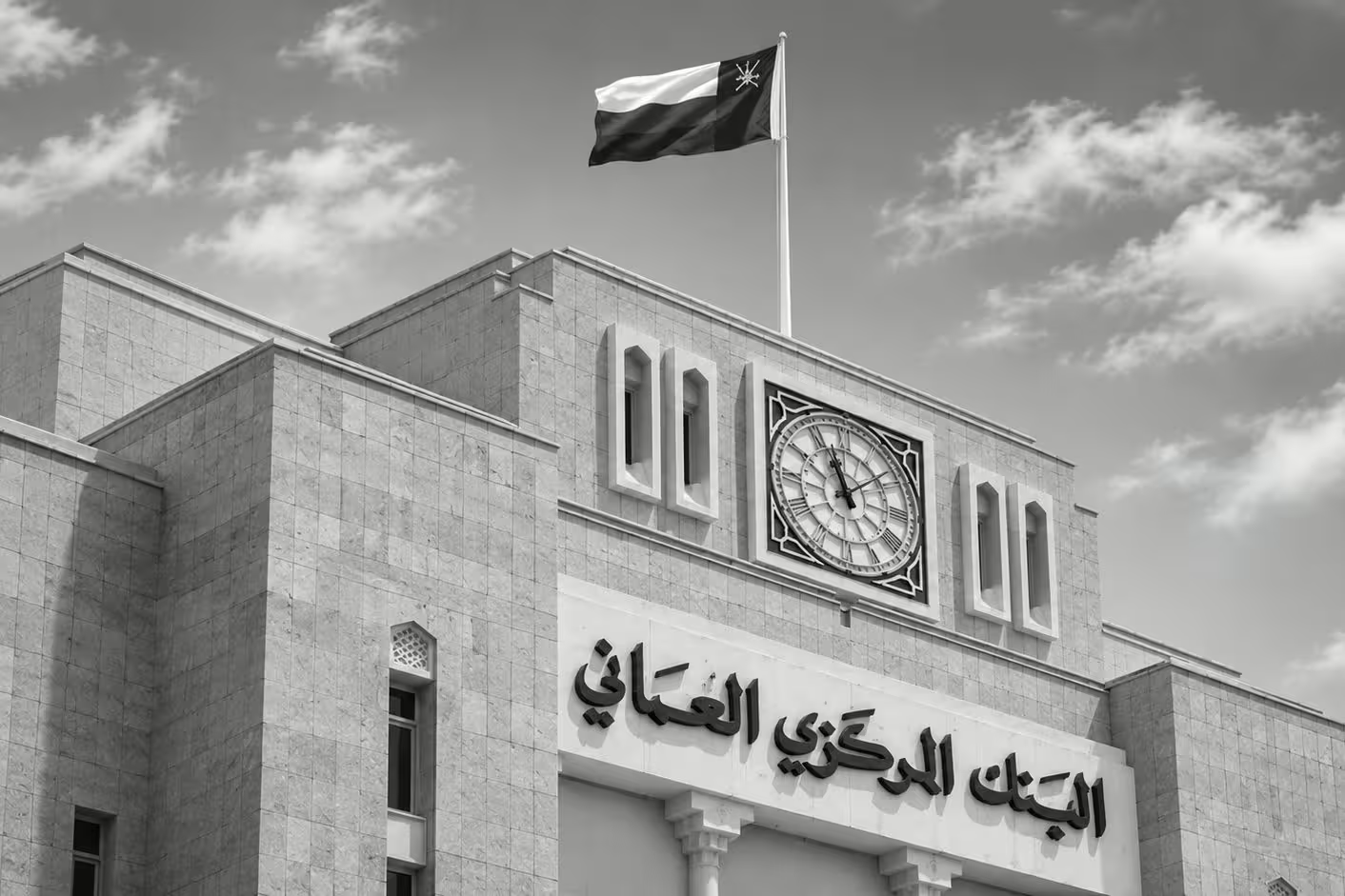
Watch for a Saudi or Houthi response to the withdrawal, confirmation of the Riyadh pipeline strikes, and Iranian Foreign Minister Abbas Araghchi’s talks in Oman on Tuesday. Also track whether fighting reaches al-Kharaz camp.