Key Points
- A Botticelli blocked from export is now on display at Oxford's Ashmolean Museum.
- The Klesch Collection bought the work and lent it to the museum for three years.
- The sale keeps a £10.2m Renaissance panel in Britain after a government export bar.
The latest:
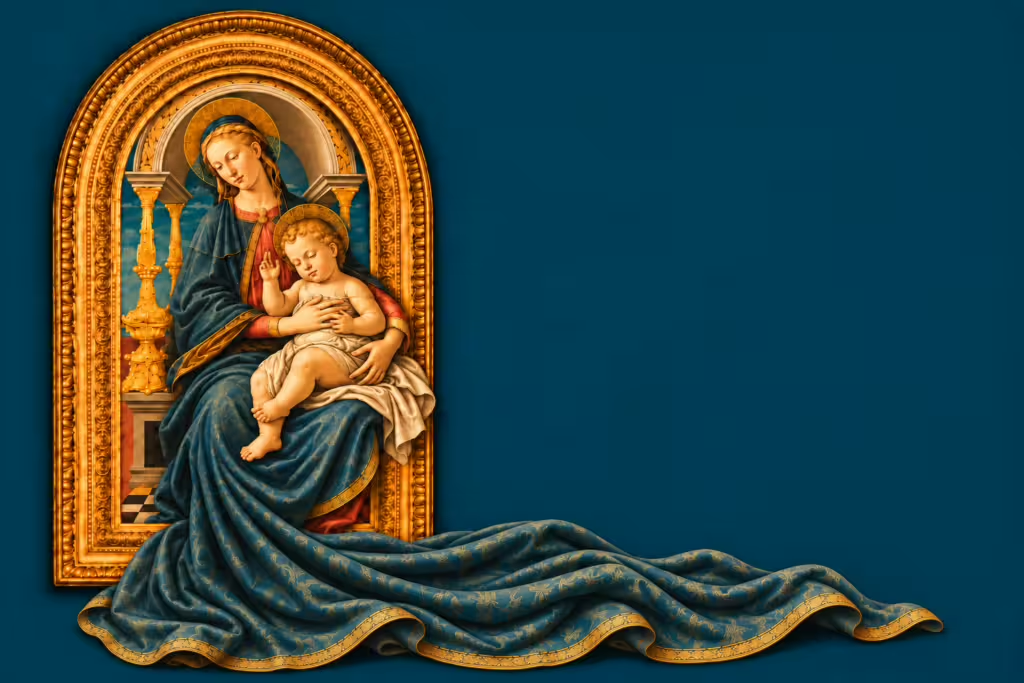
A Botticelli panel that British authorities had barred from leaving the country is now hanging at the Ashmolean Museum in Oxford, the institution said. The Virgin and Child Enthroned, dated to the 1470s and valued at £10.2m, was acquired by the London-based Klesch Collection, which announced in May it would lend the work to the museum for three years. The museum first showed the painting in the 1930s.
Details:
- The export bar: The UK government placed an export bar on the painting in May 2025. The Department for Culture, Media and Sport set a recommended price of £9,960,000, plus £272,000 in VAT that an eligible institution can reclaim, according to the department.
- The sale price: The work had been sold at Sotheby’s in London in late 2024 for £9.7m including fees, a figure below the recommended price later set by the government for a domestic buyer to match.
- The buyer: The Klesch Collection, founded by A. Gary and Dr. Anita Klesch, began in 2014 with a set of Four Seasons by Giuseppe Arcimboldo. Its holdings of 15th-to-17th-century European art include Caravaggio, Sofonisba Anguissola and Rubens, and are regularly lent to museums worldwide.
- The conservation: The painting was cleaned over the summer to strip discoloured varnish and later retouching, according to an Ashmolean statement. The museum said the treatment uncovered well-preserved detail in the figures of the Virgin and Child and restored the cooler tones of the original.
- The gold leaf: The Ashmolean described the panel as unusual for its generous use of gold leaf, noting that “although earlier Italian painters regularly applied gold to the backgrounds of their devotional works, it was less widely used by Botticelli’s time”.
- The earlier showing: When the Ashmolean exhibited the painting in 1934–35, it was catalogued not as an autograph Botticelli but as a product of the artist’s workshop, a more cautious attribution than the one now attached to the panel.
- Florentine origins: The painting was housed in the Convent of San Giuliano in Florence in the early 19th century, then moved to a small chapel attached to a group of farmhouses in a nearby village before entering private hands.
- The ownership chain: It passed to the family of Giovanni Magherini Graziani, who sold it in November 1903 to the Italian dealer Elia Volpi. Harriet Sarah Jones Loyd, Lady Wantage, bought it in May 1904 for £5,000.
- Recent home: The panel had been kept at Betterton House near Wantage, Berkshire, since 1944, remaining in private hands in the English countryside for roughly eight decades before its 2024 auction.
Background:
UK export bars temporarily block significant works from leaving the country, giving domestic buyers a window to match a recommended price. Works that attract no matching offer can be granted an export licence and go abroad permanently.
Between the lines:
The outcome is a private rescue rather than a public one: no museum matched the £9,960,000 price, and the painting stays in Britain because a private collection bought it and chose to lend. The three-year loan secures public access for a fixed term, not permanently, and the Ashmolean has not said what happens after it expires.
What’s next
The three-year loan period sets the next decision point for the painting’s public display. Conservation work completed over the summer may also prompt further scholarly debate over the attribution first questioned in the 1930s.