Key Points
- Rubio drew excellent-candidate ratings from 45% of Republicans, narrowly ahead of Vance at 43%.
- Ossoff and Buttigieg tied atop the Democratic field, each rated excellent by 29% of party voters.
- No contender has launched a campaign, and nominating contests remain more than a year away.
The latest:
Marco Rubio narrowly leads the early Republican field for 2028, with 45% of Republican voters calling the secretary of state an excellent presidential candidate against 43% for Vice President JD Vance, according to a Reuters/Ipsos poll. On the Democratic side, Senator Jon Ossoff and former Transportation Secretary Pete Buttigieg tied at 29%. Neither party’s contest formally begins for more than a year.
Details:
- The survey: Reuters/Ipsos surveyed 1,705 US adults nationwide, including roughly 500 registered voters from each party, and completed fieldwork on Monday. The margin of error was 5 percentage points for both Republican and Democratic voters, placing the Rubio-Vance and Ossoff-Buttigieg gaps well inside the statistical range.
- The Republican field: Florida Governor Ron DeSantis was rated an excellent option by 32% of Republicans. Reuters reported that roughly a dozen other Republicans feature in the national 2028 conversation, including Donald Trump Jr. and Texas Senator Ted Cruz, both of whom draw supporters and detractors.
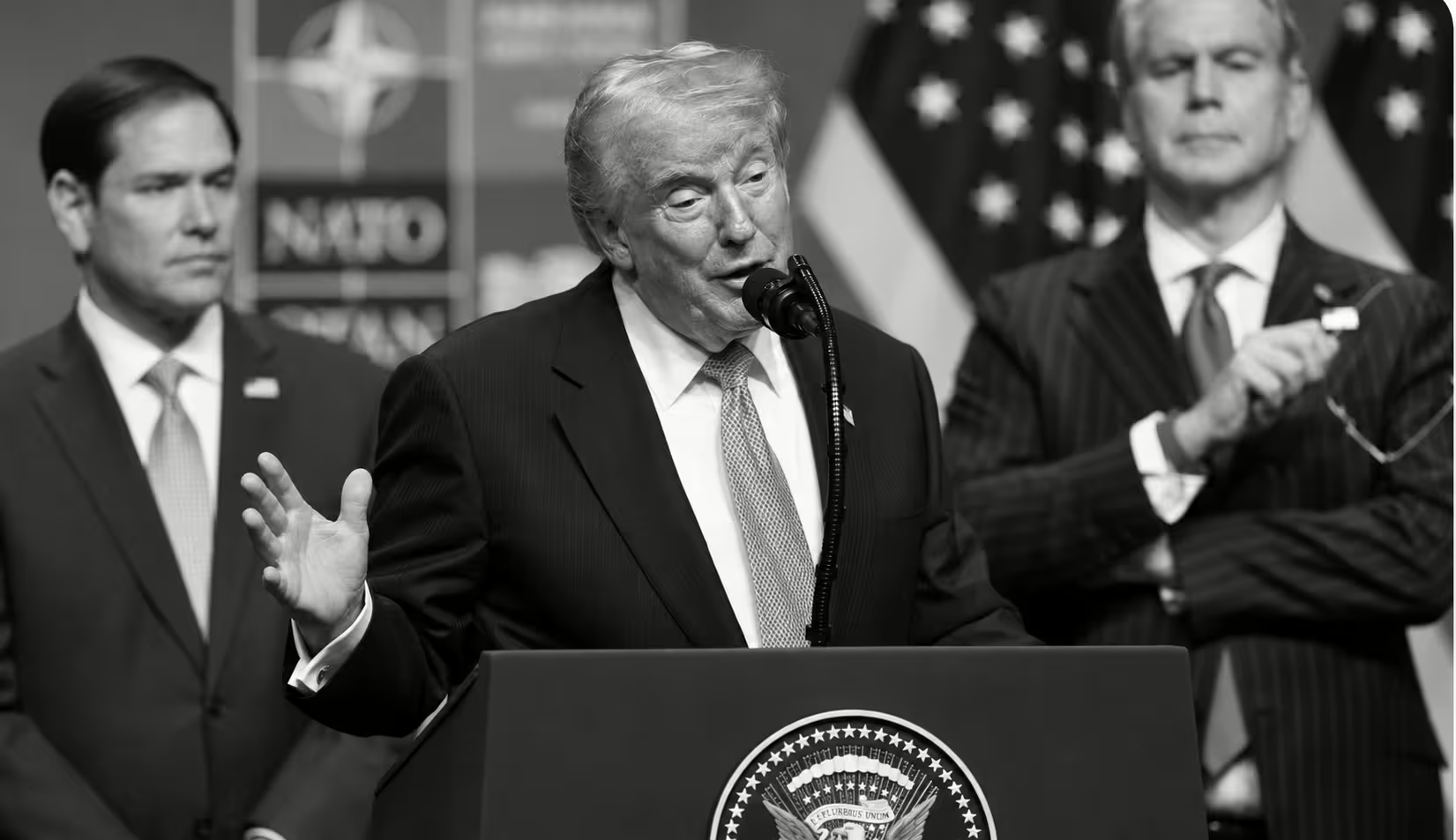
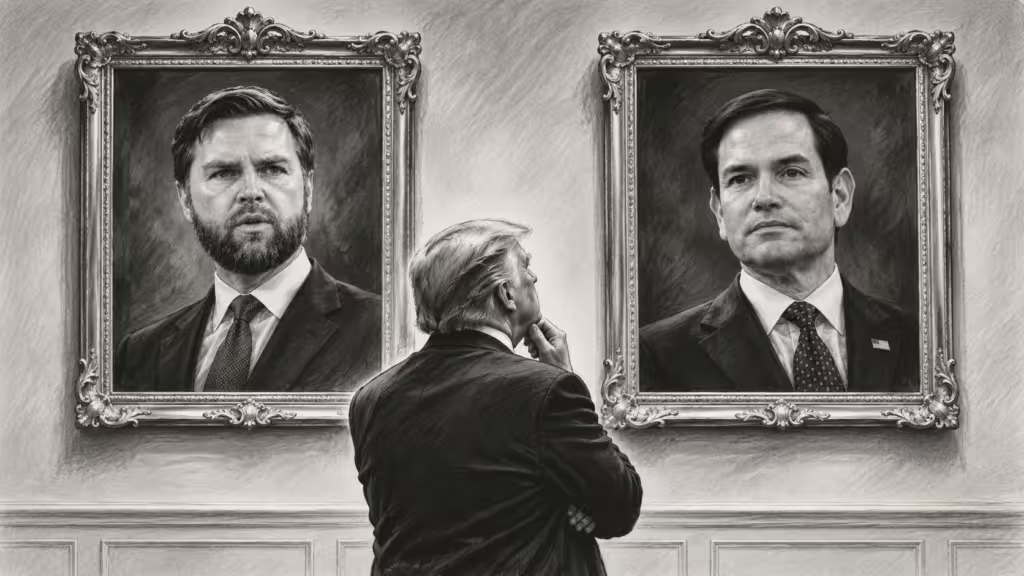
- Trump’s shadow: President Donald Trump’s approval rating sits near the lowest of his career, according to Reuters. He has asked allies whether they prefer Vance or Rubio, and told CBS’s 60 Minutes on Sunday he would not necessarily endorse in the Republican primary.
- The Iran factor: Reuters reported that growing Republican dissatisfaction with Trump centers on his decision to launch a war on Iran that pushed fuel prices higher. Rubio has been absent from many of the so-far fruitless peace talks despite serving as the top US diplomat.
- Vance’s distance: The vice president has signalled his own separation from the war, saying publicly that the Republican defeat in the midterm elections was caused by the conflict with Iran. Republicans remain split over whether their next nominee should break with Trump or continue his approach.
- Ossoff’s rise: The Georgia senator won re-election last week by 18 percentage points in a state Trump carried by 2 points in 2024. Reuters reported that he has drawn attention by describing Trump as corrupt and unfit for office in unusually direct language.
- Name recognition: About one in five Democrats have never heard of Buttigieg, compared with roughly one in three for Ossoff. Very few Republicans are unfamiliar with Vance, while about one in six say they do not know who Rubio is.
- The moderate lane: Buttigieg and Ossoff are both positioned as moderates. Former Vice President Kamala Harris and California Governor Gavin Newsom each drew excellent ratings from 23% of Democrats, ahead of Representative Alexandria Ocasio-Cortez at 15%.
- Impeachment split: Ocasio-Cortez told CNN after the midterms that impeaching Trump should be an option on the table. Buttigieg told the New Yorker he is “not very interested” in impeachment, underlining a Democratic divide over how aggressively to confront the president.
- A strategist’s warning: Democratic strategist Elaine Kamarck cautioned against reading too much into current views, saying 2028 is a world away. She argued that many potential candidates in both parties are still deciding whether to run, making any read on who leads unreliable.
Background:
Democrats routed Republicans in the November 3 congressional elections, a result shaping both parties’ internal debates. Buttigieg ran for president in 2020, leaving him better known nationally than Ossoff, who entered the Senate in 2021.
Between the lines:
The two Republican front-runners are separated by 2 points inside a 5-point margin of error, so the poll shows a split field rather than a leader. Rubio’s distance from the Iran talks and Vance’s blaming of the war for midterm losses point the same way: the war is the variable each man is managing. Kamarck’s caution applies directly to numbers this tightly clustered.
What’s next
Watch whether Trump moves off his not necessarily position on a primary endorsement, whether fuel prices and the Iran talks shift Republican sentiment, and whether Ossoff converts his 18-point Georgia win into national name recognition.