Key Points
- DeepL unveiled Aure, a voice model that adapts translated speech to tone, emotion and pace in real time.
- It builds on DeepL's voice preservation technology, which carries a speaker's own recognizable voice across languages.
- DeepL says the model targets negotiations and global teams, where delivery can matter as much as wording.
The latest:
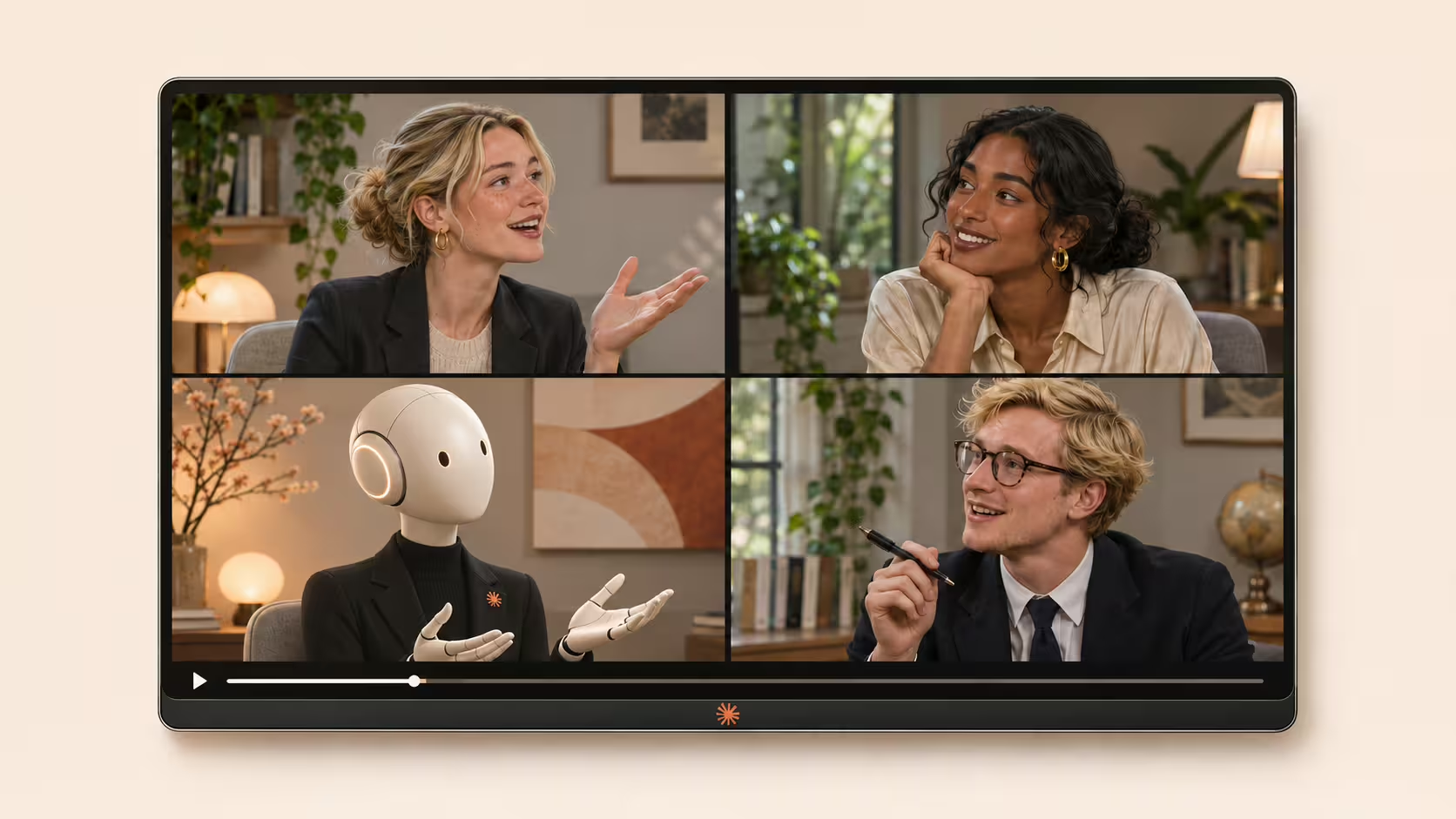
A new voice AI model that continuously adjusts translated speech to match a speaker’s shifting tone, emphasis and pace went live Wednesday inside DeepL Voice. The Cologne-based company said Aure is its most lifelike voice model to date, and that it applies automatically across online meetings, in-person conversations and the voice API with no setup required by users.
Details:
- The shift: DeepL said earlier versions of DeepL Voice built a translated voice from a static sample taken in the opening moments of a conversation. That captured who was speaking but not how, the company said, and could not follow a change in emotion or a delivery that contradicts the words, such as sarcasm.
- How it works: According to DeepL, Aure analyzes incoming speech continuously, using both the translated words and the source audio to shape how each sentence is delivered. The company said it combined training techniques that separate voice identity, prosody and spoken content so each element can be carried into another language independently.
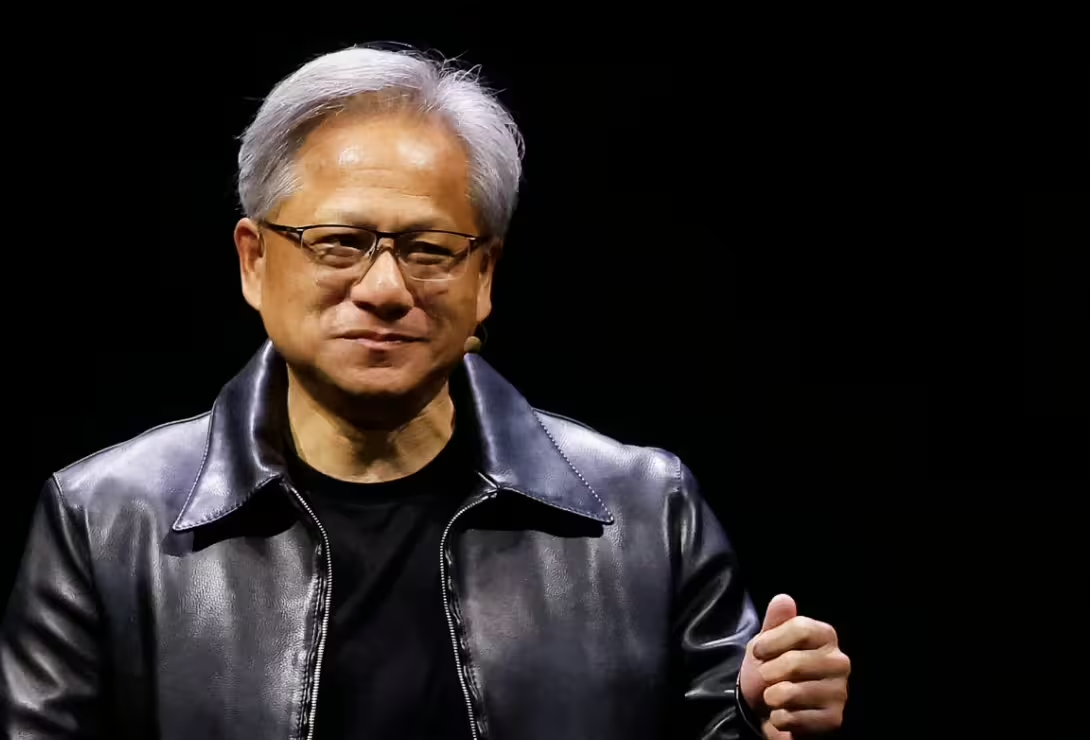
- The CEO: Founder and chief executive Jarek Kutylowski said communicating across languages has long meant compromising how people express themselves, and described Aure as a step toward “a world where language changes, but the person behind it doesn’t.”
- The obstacles: DeepL listed three technical problems it says it solved together: isolating a speaker’s voice identity and prosody from background noise, echo and distortion; carrying a voice across languages without exaggerating accents; and adapting to each speaker in real time, before a sentence is finished.
- Data limits: The company said DeepL Voice has limited real-world data of the same speaker talking across languages, because the product does not permanently store meeting transcripts or translations and deletes that data when a session ends. Reinforcement learning is used to refine output, it said.
- Day-to-day variation: DeepL said a speaker might sound tired one day and enthusiastic the next, or speak differently under stress, and that Aure is designed to distinguish those variations rather than lock onto a fixed profile. It did not publish accuracy benchmarks or comparative test results.
- Languages: Aure initially supports English, German, Spanish, French, Italian, Japanese, Portuguese and Korean, with more to follow, the company said. DeepL Voice will continue running other languages through its existing voice models. No timetable was given for the additional languages.
- Customers: DeepL named Pioneer Corporation, Aramark and Avendra International, and Inetum among enterprises already using DeepL Voice. The company said the product was recognized in Fast Company’s 2026 Next Big Things in Tech list in the Applied AI category.
- The company: Founded in 2017, DeepL says more than 200,000 business teams and millions of individuals use its platform, that it employs more than 900 people, and that its investors include Benchmark, IVP and Index Ventures. It did not disclose pricing changes tied to Aure.
Background:
Aure follows DeepL’s recent rollout of voice preservation, which let users speak across languages in their own recognizable voice rather than a generic synthetic one. That release preserved a speaker’s identity; the company positions Aure as the step that tracks how the same voice changes through a conversation.
Between the lines:
The pitch is aimed at enterprise buyers rather than casual users. DeepL frames the gain in commercial terms — negotiations, customer relationships, international teams — and ships the feature automatically across meetings and the API, which removes any adoption decision from existing customers. Its stated deletion of transcripts at session end doubles as a privacy argument and, by the company’s own account, a constraint on its training data.
What’s next
Watch for the additional languages beyond the initial eight, any published accuracy or latency benchmarks, and whether enterprise customers named by DeepL expand usage. Competing real-time translation launches from larger platform vendors would test the positioning.