The latest:
Israel’s armed forces are preparing operationally for two escalation scenarios involving Iran, according to the Jerusalem Post, while U.S. diplomacy led by Vice President JD Vance seeks an agreement with Tehran. Israeli defense officials remain on heightened alert, with the talks unfolding at the same time as limited American military strikes on Iranian targets.
Details:
- The first scenario: Israeli planners have mapped a large-scale and unusually aggressive U.S. military campaign against Iran, targeting national infrastructure and military facilities in an effort to shorten the conflict and bring it to a close, the Jerusalem Post reported.
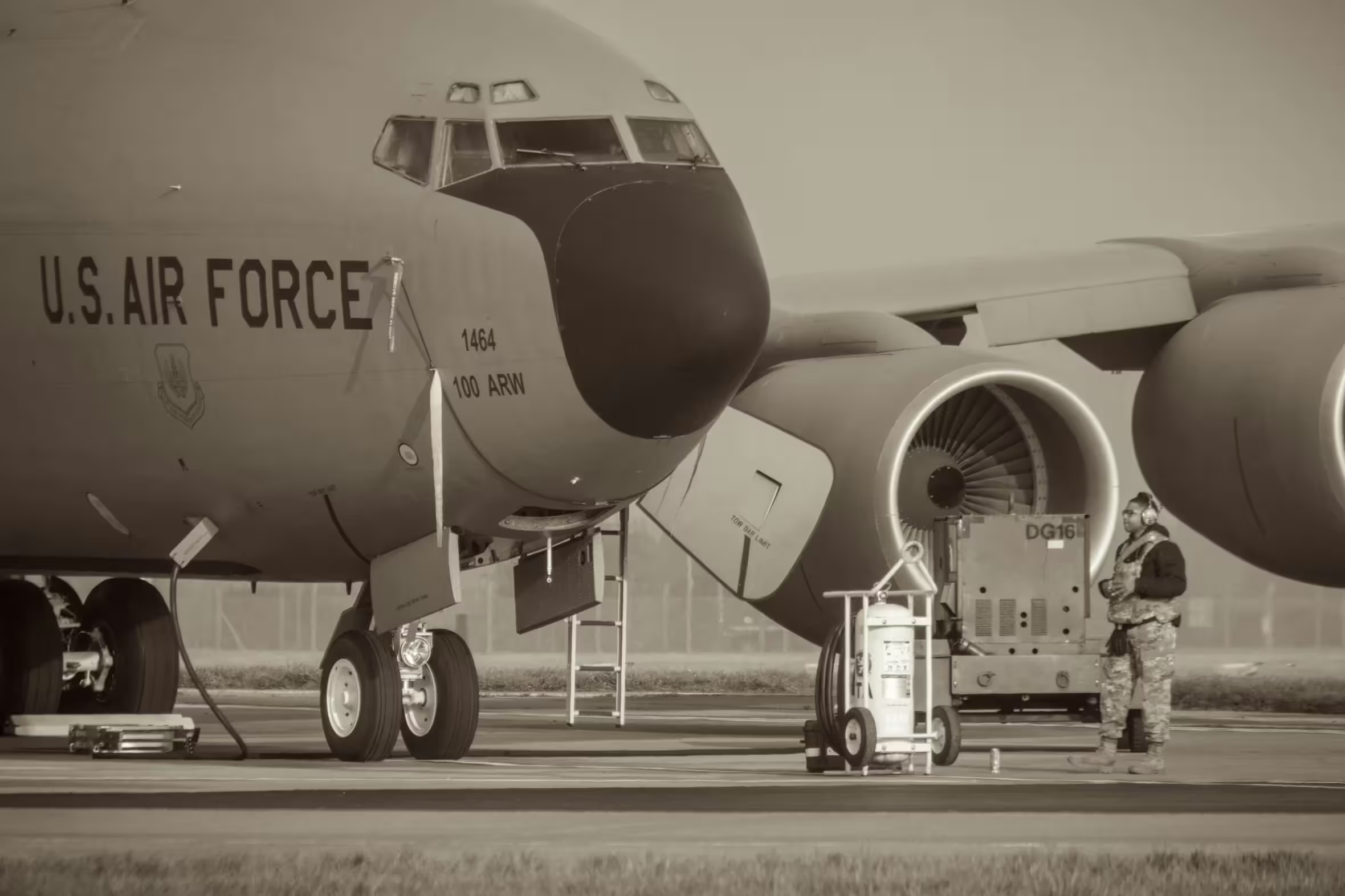
- The second scenario: Planners also prepared for an Iranian surprise attack on American interests and military bases across the Middle East, including Israeli Defense Forces installations hosting U.S. personnel and aircraft. The military is separately weighing escalation by regional adversaries through coordinated action, misunderstanding or miscalculation.
- Command-level review: Chief of Staff Lt. Gen. Eyal Zamir and senior General Staff officers held situation assessments in recent days to validate operational plans. Air Force commander Maj. Gen. Omer Tishler and Operations Directorate head Maj. Gen. Itzik Cohen skipped an IDF commanders’ tournament as a result.
- The diplomatic track: The talks center on reopening the Strait of Hormuz and resuming international nuclear inspections, in exchange for partial U.S. lifting of the blockade on Iran and the release of billions of dollars in frozen Iranian assets. No timetable for an agreement has been announced.
- Reading Trump: Israeli defense officials assess that President Donald Trump prefers to avoid military confrontation and settle tensions through a diplomatic deal. Israeli security assessments hold that Iran’s leadership reads that preference as a sign of weakness.
- Tehran’s calculation: According to those assessments, Iran views the results of the U.S. midterm elections held on Tuesday, Nov. 3, as political retribution against the White House. Israeli officials also believe Tehran will not rush to sign, maintaining a hard bargaining posture to prolong negotiations.
- Strikes underway: U.S. forces carried out limited strikes in recent days against Iranian military assets in the country’s south and around the Strait of Hormuz, including operations against air defense systems and missile launchers on Qeshm Island and military sites on Larak Island. Iranian forces struck back at American assets and vessels in the area.
- The denial: Israeli security officials rejected claims of a heated argument over launching a military strike on Iran. They said a preemptive Israeli attack option, reportedly backed by the Mossad chief, was raised at Nov. 1 discussions and dropped just as quickly: “The discussion was professional and respectful.”
- On the leaks: The same officials said leaks from the Nov. 1 deliberations, held two days before the congressional midterms, were politically motivated. They acknowledged disagreements on some issues but denied that any exchange escalated beyond proportion.
Background:
The Strait of Hormuz is the chokepoint for a large share of global seaborne oil. Its closure and the suspension of international nuclear inspections are the two issues now anchoring the U.S.-Iran negotiating agenda, alongside frozen Iranian assets.
Between the lines:
The two tracks are pulling against each other. Washington is offering sanctions relief and asset releases while simultaneously striking Iranian air defenses near Hormuz, and Israeli assessments hold that Tehran reads the diplomatic preference as weakness rather than opportunity. That combination, plus the Israeli military’s own warning about miscalculation by regional actors, is why limited exchanges around Qeshm and Larak carry escalation risk disproportionate to their scale.
What’s next
Watch whether Vance’s track produces movement on Hormuz reopening or a return of nuclear inspectors, whether U.S. strikes extend beyond southern Iran, and whether Iranian responses move from vessels to American bases.