The latest:
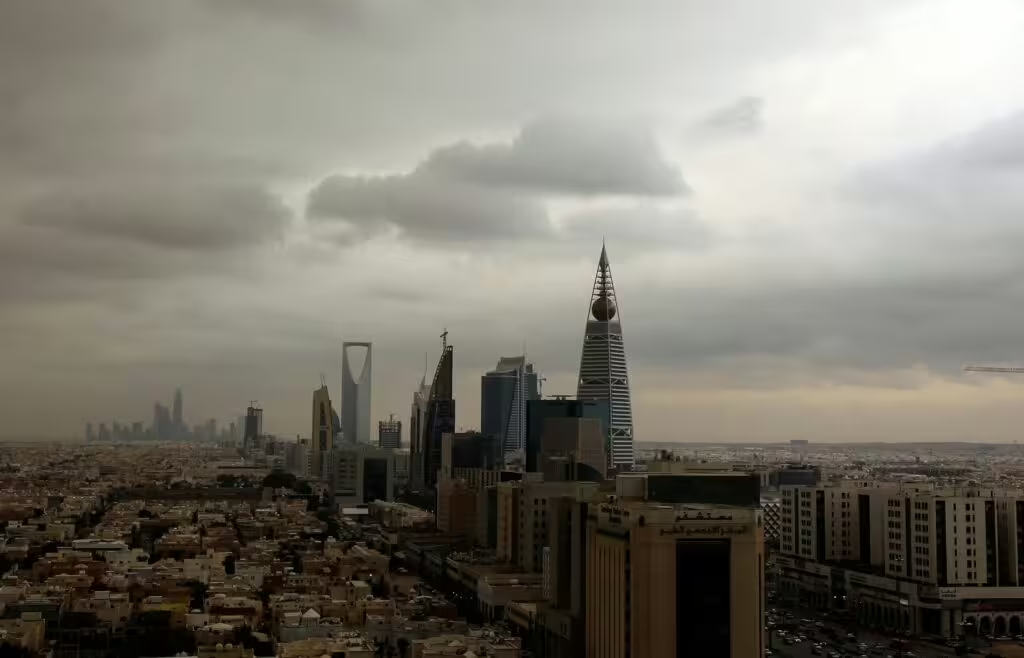
Saudi Arabia’s Public Investment Fund is exploring new ways to raise money without fresh capital injections, including securitizing the cash flows of subsidiaries and selling stakes in existing assets, three people familiar with the matter told Reuters. The options remain at an early stage. The fund pointed Reuters to its 2026-2030 strategy, which calls for more diversified financial returns and greater private sector and domestic capital market participation.
Details:
- The options: A third source told Reuters the fund is weighing a broad menu: selling stakes in mature assets to fund early-stage companies and projects, trimming holdings in listed firms, issuing bonds to international investors, and tapping export credit agency financing. Two sources identified securitizing subsidiary cash flows as among the alternatives on the table.
- Why now: The same source said a shortage of liquidity at Saudi banks and a slowdown in the initial public offering market could push the fund to widen its financing toolkit. Saudi banks face credit demand growing faster than deposits, raising funding costs and limiting their ability to supply additional liquidity.
- The returns picture: The fund reported a compounded annual shareholder return of 5.8% since 2017 as of end-2025, down from 7.2% at the end of 2024, according to Reuters. Asset growth alone does not settle the performance question for a sovereign fund that must convert investments into sustainable cash flows and profits.
- Talks stalling: Two sources said preliminary discussions with investors over stakes in some portfolio companies ran into obstacles over the valuation gap and disagreements about control of the assets. Sale decisions depend on the sector, its strategic weight and Vision 2030 priority, plus whether the company can fund its own operations.
- Deals already done: Kingdom Holding acquired 70% of Al Hilal football club from the fund this year. Reuters reported the fund is studying the sale of a minority stake in England’s Newcastle United, while its property arm Roshn is seeking investors for a flagship project. This month the fund completed the sale of a 49% stake in AI firm Humain to Aramco.
- The Humain caveat: Aramco pledged to inject $2.6 billion into Humain this year, yet the fund retains control of the company and owns roughly 16% of Aramco directly and indirectly. Analysts argue that moving stakes between state-linked entities does not necessarily attract new private capital, even if it redistributes the financing burden.
- Project retrenchment: Reuters reported in February 2026 that the new strategy includes scaling back costly giga-projects, among them The Line, and redirecting investment toward industry, mining, artificial intelligence and tourism. Funding for LIV Golf was suspended after investments estimated at about $5 billion, alongside a reassessment of Neom and the deferral of parts of it.
- Not distress: The fund still holds assets exceeding $900 billion and relatively strong credit ratings: Moody’s assigned Aa3 with a stable outlook and Fitch A+ with a stable outlook, per the fund’s April 2026 announcement. Much of its wealth sits in long-term investments that are hard to liquidate quickly without losses or ceding control.
- The Washington assessment: An analysis by the Arab Gulf States Institute in Washington, published in October 2026, concluded the fund faces weaker performance at some investments, rising asset impairment losses and a decline in government transfers that had been a source of its growth, with greater reliance on borrowing to fund new investments.
Background:
The fund spent heavily over the past decade on Vision 2030 projects including Neom, The Line, the Red Sea, Qiddiya and Roshn, part of Crown Prince Mohammed bin Salman’s drive to diversify the economy away from oil. Cost overruns, delays and the fallout of the US war on Iran increased pressure to generate tangible returns.
Between the lines:
Each option under study points the same direction: away from the centrally funded model. Securitization converts expected future revenue into cash today by surrendering part of that revenue to financiers. Stake sales bring in outside money without necessarily giving up control. Both shift the financing burden toward subsidiaries themselves. With the IPO market slowing in 2026, the exit route that once recycled capital back to the fund has narrowed just as borrowing costs rise.
What’s next
Watch whether valuation and control disputes are resolved in any stake sale, the outcome of the Newcastle United minority stake review, Roshn’s investor search for its flagship project, and whether the fund issues international bonds.