Key Points
- Tehran is studying Qatari nuclear proposals it previously refused to discuss, a diplomat briefed on the talks said.
- Trump and Qatar's emir spoke Friday, days after midterm losses driven partly by the eight-month war.
- Any nuclear concession could unlock talks stalled since an interim deal collapsed in June.
The latest:
Iran is reviewing proposals on its atomic activities presented by chief mediator Qatar, putting a subject Tehran had kept off the table back into negotiations, according to a diplomat with knowledge of the talks who asked not to be identified. Bloomberg reported that any concession there could move the process forward for the first time since an interim peace deal collapsed in June.
Details:
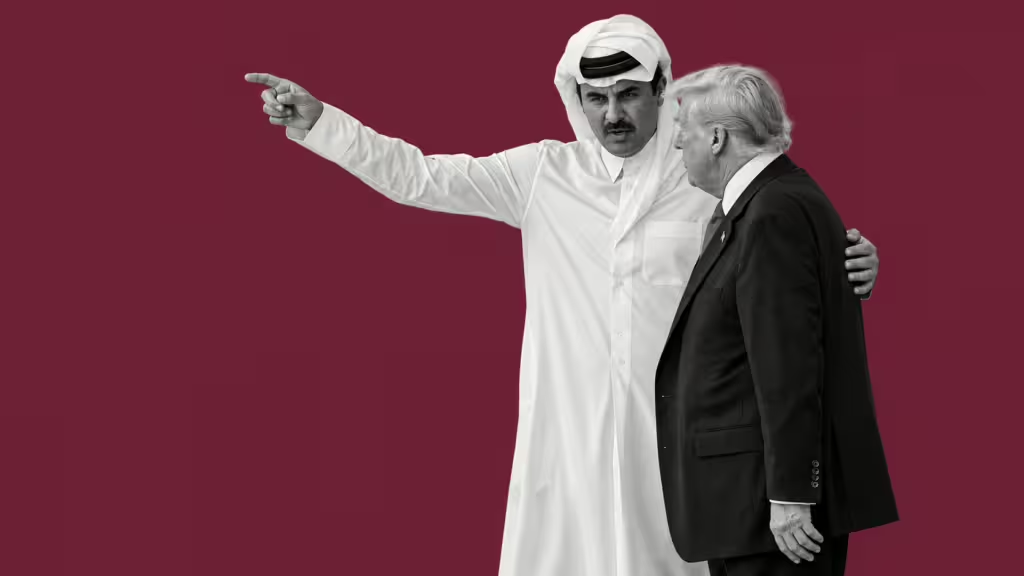
- The call: Emir Sheikh Tamim bin Hamad Al-Thani spoke with Trump on Friday and, according to Qatar’s state news agency, emphasised embracing diplomacy to resolve disputes and prevent further escalation. The emir’s office said the two discussed bridging gaps between the parties and a comprehensive agreement.
- The proposal: The Financial Times reported the two sides have spent weeks haggling over a version of a seven-day plan Tehran presented in September and Trump initially rejected. Iran would allow free shipping through the Strait of Hormuz if Washington lifts its port blockade, permits oil exports and releases some frozen assets.
- Sticking points: Sequencing and the fate of Iran’s 440kg stockpile of highly enriched uranium remain unresolved, people briefed on the talks told the FT. Washington wants International Atomic Energy Agency inspectors admitted to Iran’s main nuclear sites, which US forces bombed during last year’s 12-day conflict.
- The stockpile: The uranium, enriched close to weapons grade, is believed to lie beneath the rubble of the bombed plants. The Trump administration has repeatedly insisted Iran surrender it and transfer it offshore; Iranian officials publicly reject any such move and say Washington must first meet Tehran’s seven conditions.
- The war: Trump and Israeli Prime Minister Benjamin Netanyahu opened the war with strikes on Iran at the end of February, Bloomberg reported. Tehran retaliated against US allies across the region, driving energy prices and global inflation higher. Talks have broken down repeatedly over Iran’s demand that the naval blockade be lifted.
- The politics: Democrats took control of Congress in Tuesday’s midterm elections in a landslide against Trump’s Republicans, with opposition to the war and its effect on gasoline prices cited among the reasons. Qatari officials had shuttled between Doha and Tehran before the vote to solidify a potential deal.
- The markets: After the election Trump said he had no immediate plans for fresh strikes on Iran, sending oil lower. Brent crude fell below $100 for the first time since September as investors bet the Democratic sweep reduces the chance of a return to the all-out fighting Trump had repeatedly threatened.
- Regional diplomacy: Iranian Foreign Minister Abbas Araghchi discussed regional stability in separate calls Thursday with his Saudi and Qatari counterparts, according to a statement on his Telegram channel, and also spoke with ministers from the UAE, Turkey, Kuwait, Cyprus and Jordan.
- The Moscow track: Mohsen Rezaee, secretary of Iran’s Supreme National Security Council, met President Vladimir Putin in Moscow, Russia’s presidential website said. State broadcaster IRIB reported Rezaee delivered a message from Supreme Leader Mojtaba Khamenei to Putin, without giving further details.
- Earlier reporting: Reuters and the New York Times previously reported Iran’s willingness to compromise on the nuclear question. Iran has consistently said its atomic work is strictly non-military, and little has been established publicly about the scale of those activities since the war began.
Background:
An interim peace deal agreed in June collapsed, leaving negotiations stagnant. Qatar has since led mediation between Washington and Tehran, with regional governments warning that a new US-Israeli offensive would draw a heavy Iranian response against their own territory.
Between the lines:
Trump’s post-election statement that he has no immediate strike plans, and the emir’s push to stay with diplomacy, point the same direction: the political cost of the war at home has narrowed his military options. But the 440kg stockpile remains the hard test — Washington wants it shipped out, Tehran publicly refuses, and it sits under rubble US bombs created.
What’s next
Watch whether Iran responds formally to Qatar’s nuclear proposals, whether IAEA inspectors are granted access to the bombed facilities, and whether Brent crude holds below $100 as the ceasefire track advances or stalls.