Key Points
- Five officials said Iran is weighing concrete mediator proposals that could reshape its nuclear program.
- Qatar ran two rounds of talks in Tehran and hosted a third in Doha last week.
- Re-engagement signals mediation has slowed a slide back to full-scale U.S.-Iran war.
The latest:
Tehran is studying a set of proposals delivered by mediators that could determine the future of its nuclear program, five officials briefed on the negotiations told The New York Times. The officials, who spoke anonymously, called the terms concrete proposals without detailing them. After weeks of refusing to move, Iran’s re-engagement points to partial success for Qatar’s mediation push, they said.
Details:
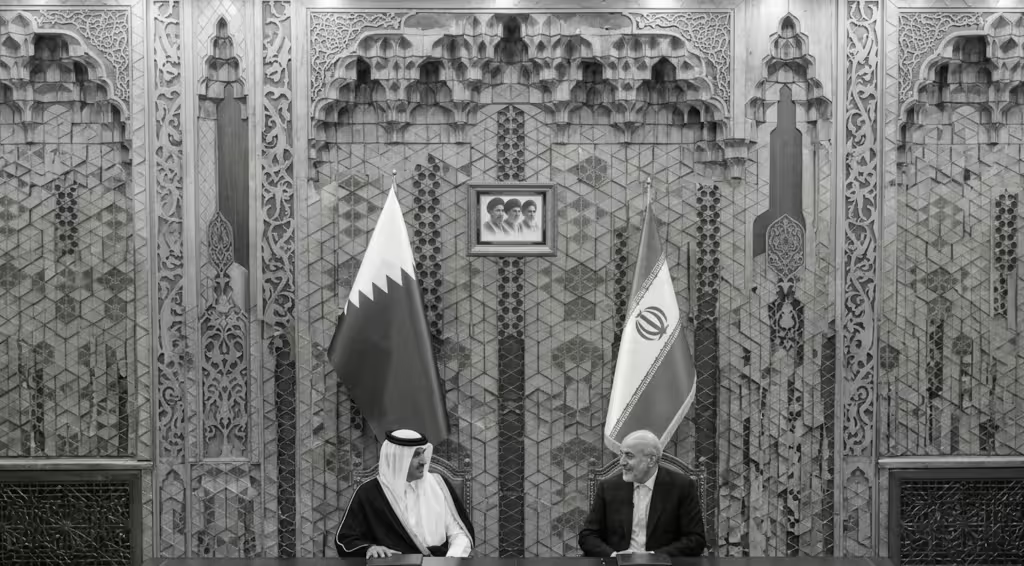
- The mediation track: Qatar led an intensive week of diplomacy with Iran, taking part in two rounds of talks in Tehran and hosting a third in Doha, according to the officials. Two said Qatari officials also met Iranian counterparts recently in Armenia. The officials did not describe what the mediators put on the table.
- Who is in the room: Mohsen Rezaei, head of Iran’s Supreme National Security Council, has been negotiating with the Qataris alongside Foreign Minister Abbas Araghchi and parliament speaker Mohammad Bagher Ghalibaf, according to the two Iranian officials and the American official briefed on the talks.
- The public-private gap: Rezaei said in a televised address on Saturday that Iran would hold no nuclear talks until Washington released frozen Iranian assets, lifted sanctions on Iranian oil, and ended the naval blockade of Iran’s ports. Privately, the officials said, he has been more open to discussing the nuclear file.
- Vance’s role: Vice President JD Vance has emerged as a leading advocate of the Qatari effort, three officials said. Last month he sent Rezaei a letter proposing direct peace talks covering the nuclear program, which Rezaei said showed Washington had changed its tone. Vance said Monday progress had been made while noting Trump retains kinetic and non-kinetic options.
- The sticking point: Iran’s stockpile of highly enriched uranium remains a core obstacle. Trump has said Iran must surrender it; Iranian officials insist the material will not leave the country, and in earlier rounds proposed diluting it domestically under international inspection.
- The numbers: The International Atomic Energy Agency estimated in a report this year that Iran held roughly 440 kilograms, about 970 pounds, of highly enriched uranium as of June 2025. Experts say that quantity could support a small number of nuclear weapons.
- Military planning: Trump and Israel have been weighing a large-scale attack, with American and Israeli militaries drawing up a target list that includes energy infrastructure and other sites central to Iran’s economy. Iranian leaders have warned their forces would widen their range of targets if struck again.
- Gulf anxiety: Anwar Gargash, diplomatic adviser to the UAE president, told the Manama Dialogue in Bahrain that the Emirates and Gulf states do not want another round of confrontation and seek a political resolution. Gulf officials fear retaliatory strikes on their territory and further economic damage.
- The domestic backdrop: Vance has blamed the war for heavy Republican losses in this week’s midterm elections. Trump said Wednesday that assessment was largely true while defending his decision to attack Iran. “The president and I both feel pretty good about the prospects for potentially coming to a negotiated settlement,” Vance said. Oil prices fell sharply after the results.
Background:
The United States and Israel attacked Iran in late February. A June cease-fire was meant to open nuclear talks and reopen the Strait of Hormuz, which Iran effectively closed early in the war, but it collapsed into months of intermittent clashes and a tense stalemate.
Between the lines:
The gap between Rezaei’s televised conditions and his private flexibility suggests Tehran is protecting a domestic position while testing an exit. Vance’s letter and his public blaming of the war for midterm losses place the diplomatic track inside a U.S. political argument, not only a strategic one. The target list and the uranium standoff mark what each side still holds in reserve.
What’s next
Iran and the United States were still reviewing mediators’ latest suggestions to close remaining gaps as of Thursday morning, two officials said. Watch for a Qatari-brokered meeting and an Iranian response on the uranium stockpile.
Source: