The latest:
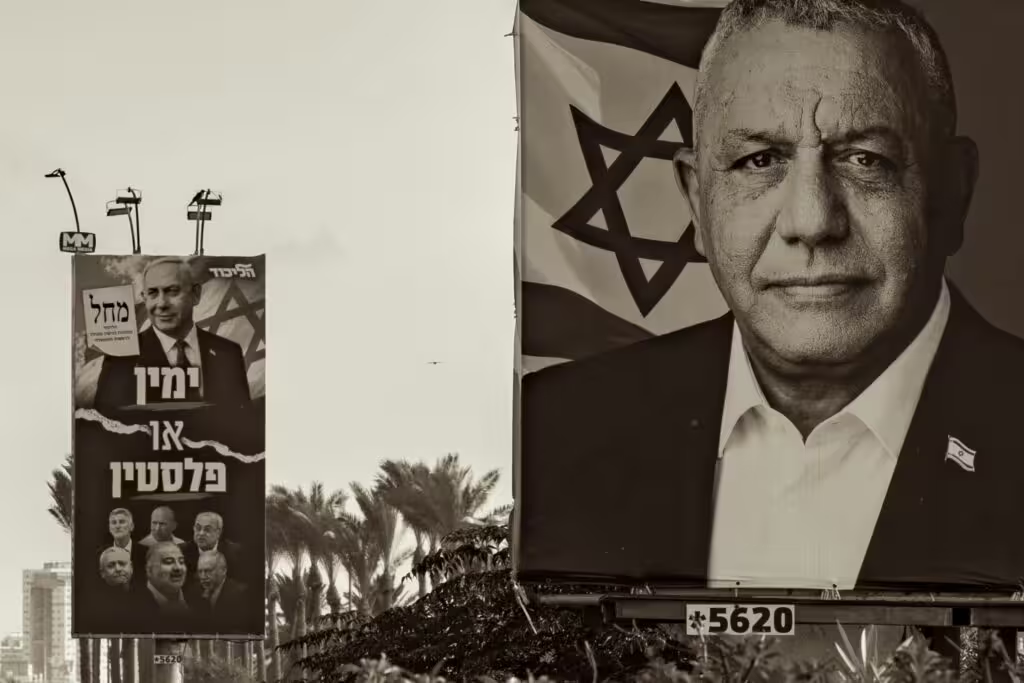
Two Arab slates put Gadi Eisenkot above a Knesset majority on Thursday, with Hadash-Ta’al and Ra’am both recommending the Yashar leader to President Isaac Herzog alongside the Democrats and Yisrael Beytenu. The tally reached 67 lawmakers, against Benjamin Netanyahu’s bloc of 53. Backing a candidate, however, does not commit any of those parties to joining his coalition.
Details:
- The arithmetic: The election produced no 61-seat bloc. According to the Jerusalem Post, Netanyahu’s camp holds 53 seats and the opposition bloc 48. Ra’am and Hadash-Ta’al together won a record 19 seats, and it is those 19 that carry Eisenkot from 48 to 67 recommendations, ahead of the incumbent.
- Why the Joint List moved: Hadash-Ta’al said its three factions decided unanimously, framing the step as a response to public demand to keep Netanyahu’s government from returning. Widening the gap with Netanyahu matters, the statement said, because it reduces the odds of a unity government that leaves him in office.
- The reservation attached: The same statement said the opposition bloc has not yet shown sufficient willingness to confront Netanyahu’s course, or to fight incitement against Arab citizens and attempts to delegitimize their political choice. Hadash-Ta’al leader Yousef Jabareen told Herzog the prime minister and Itamar Ben Gvir lead that incitement.
- Abbas and Hamas: Ra’am leader Mansour Abbas said his party supports fully disarming Hamas, one of four conditions Eisenkot set for partners, but declined to label it a terrorist organization, saying that would expose him and his family to danger. Asked about condemning Hamas, he said: “Let us not destroy this bridge.” He backed Donald Trump’s Gaza plan and a two-state solution.
- Ra’am’s case: Abbas told Herzog that Netanyahu’s coalition failed to secure a hostage deal after October 7, 2023, and argued Ra’am’s presence would make a government stronger. MK Walid Alhawashla claimed Netanyahu sought Ra’am’s votes in the Knesset state comptroller election while branding the party pro-terror when it seeks coalition membership.
- Netanyahu’s side: Otzma Yehudit recommended Netanyahu and used its session to repeat claims the election was stolen, with minister Yitzhak Wasserlauf alleging roughly 100 million shekels moved illegally to Israeli voters. The Central Elections Committee certified the results and affirmed the vote’s integrity.
- The Haredi break: United Torah Judaism, a long-standing Netanyahu partner, recommended no candidate at all. MK Yitzhak Pindrus told Herzog that protecting Torah students takes precedence over forming a government, and that enlistment sanctions should apply only to those who do not study full time.
- The Knesset track: Yedioth Ahronoth reported that change-bloc leaders plan six to eight special legislative committees, including one to establish a state commission of inquiry into October 7 by law rather than cabinet decision. Opposition parties have gathered more than 61 signatures to replace Speaker Amir Ohana.
- The obstacle: Yisrael Beytenu recommended Eisenkot, but Avigdor Liberman has repeatedly ruled out sitting with Arab parties, arguing a minority government would last less than a year and produce a stronger Netanyahu with 70 seats. Democrats leader Yair Golan has urged the bloc to ally with the Arab parties.
Background:
Eisenkot, the former IDF chief of staff who now leads Yashar, set four conditions for coalition partners, among them recognizing Hamas as a terrorist organization and backing its disarmament. Arab parties have long argued they face loyalty tests not demanded of Jewish lawmakers.
Between the lines:
The 67 figure measures recommendations, not a coalition. Liberman’s refusal to sit with Arab parties and Hadash-Ta’al’s own stated doubts about the bloc’s willingness to fight anti-Arab incitement sit on opposite ends of the same arithmetic: the 19 seats that make Eisenkot the front-runner are the same seats one of his backers rules out as partners. UTJ’s abstention gives the bloc a second possible route.
What’s next
Herzog meets Yashar, Bayachad and Likud to close consultations before awarding the mandate. A decision on a consensus candidate to replace Speaker Ohana is expected by Sunday, with coalition talks set for Herzliya.