Key Points
- Democratic midterm wins in both chambers end two years of largely unregulated AI and data centre expansion.
- Analysts expect tougher oversight, ratepayer protections and scaled-back tax incentives rather than an immediate policy reversal.
- Trump retains veto power, setting up two years of confrontation over the sector driving US investment.
The latest:
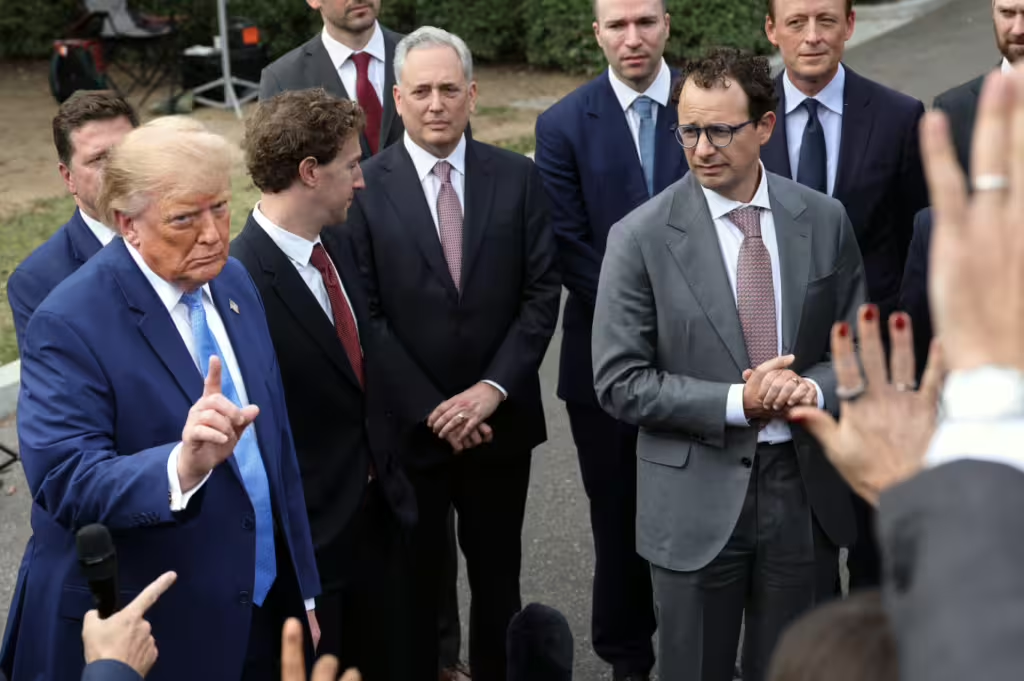
Democrats’ capture of the House and Senate has put Donald Trump’s light-touch AI and data centre agenda on a collision course with Congress from January. Analysts at Saxo Bank and Lombard Odier told clients they expect greater oversight, stalled incentives and early safety rules, not an abrupt rollback. Trump reminded lawmakers on X that he still holds veto power over any legislation they pass.
Details:
- The policy shift: From the start of his second term, Trump reversed Biden-era AI rules, with the White House saying his predecessor’s approach hindered innovation and promising development rooted in free speech and human flourishing. Trump repeatedly claimed his actions spurred trillions of dollars in commitments from global technology companies.
- The backlash: Polls cited in the campaign showed voters frustrated with the technology’s environmental footprint, the scale of spending involved, and the sense that it distracted from inflation, high energy prices and the war in Iran. Many Democrats won seats running explicitly against data centre construction in their districts.
- What’s expected: Michael Strobaek, global chief investment officer at Switzerland’s Lombard Odier, said Democrats may push to scale back tax incentives, shift more grid costs onto developers and introduce early safety regulations. He added that any federal moratorium on data centres would likely face an immediate veto.
- The gridlock case: Charu Chanana, chief investment strategist at Denmark’s Saxo Bank, wrote that two years of political confrontation, greater congressional oversight and legislative gridlock are more likely than an immediate reversal. Congress could restrict new incentives, she said, but sweeping regulatory legislation would still face presidential veto risk.
- The ratepayer bill: Mark MacCarthy of Georgetown University’s Institute for Technology Law and Policy said a Senate bill containing mandatory ratepayer protections for new data centres has largely stalled. With both chambers flipped, he said those protections could be reintroduced as free-standing legislation for the incoming Congress.
- Committee control: When the new Congress is sworn in during January, Democrats take control of committees overseeing cyber security, technology, innovation, space and commerce. Senate Democrats will also be better positioned to block administration appointments focused on advancing the White House AI and data centre agenda.
- Markets and the dollar: Manjeet Markanda of Lunaro Markets said investors now see tougher scrutiny of Big Tech as more likely after weeks of pressure on AI-linked shares, with volatility more likely than a clear trend. Julius Baer economist David Meier said regulatory scrutiny would weigh on capital expenditure and dollar-supporting inflows.
- Executives respond: AMD chief executive Lisa Su told CNBC the results do not change her AI outlook and ruled out curtailing data centre sales projections, citing intense global demand for compute. Nvidia chief executive Jensen Huang, who has backed Trump in recent years, has not commented on the shift in power.
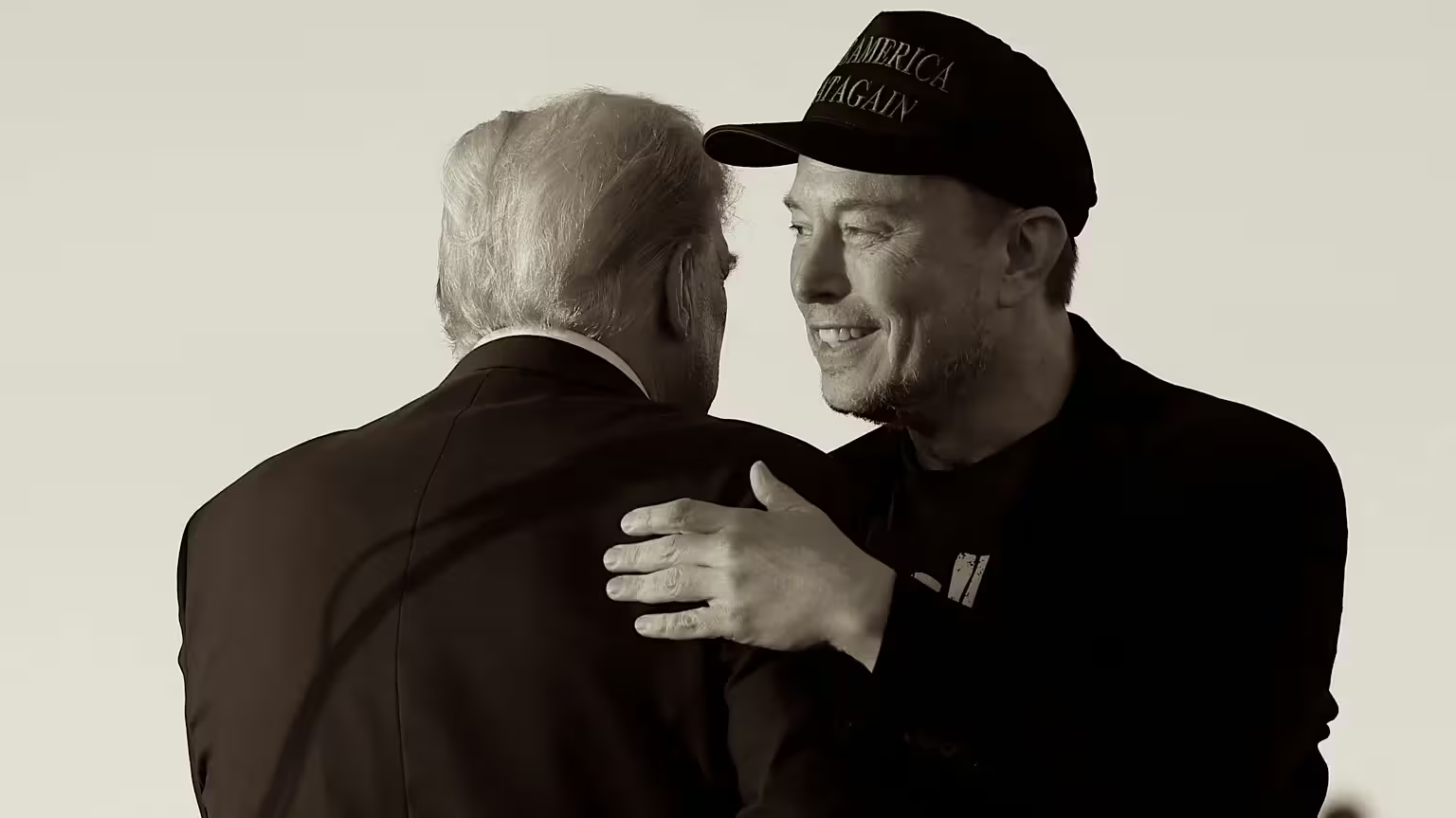
- Musk and Altman: Elon Musk, who built one of the largest US data centres in Shelby County, Tennessee, joked after Tesla and SpaceX shares fell that space-based data centres now look appealing. OpenAI chief executive Sam Altman posted that people should not cede control of the future to superintelligence.
Background:
The Shelby County data centre became a local political flashpoint, nearly delivering Democrat Justin Pearson a congressional seat in a heavily conservative district. Timothy Kneeland, a political scientist at Nazareth University, said public sentiment has turned sharply against technology companies.
Between the lines:
Kneeland argued the anti-AI mood is really about a stagnant economy and slowing job market, with data centres blamed for higher energy bills and job displacement. He predicted some Republicans could join Democrats in overriding a Trump veto, and that courts would block executive orders exceeding legal authority. That scenario, not legislation alone, would determine whether the hands-off era actually ends.
What’s next
January’s swearing-in of the new Congress and committee assignments are the first markers. Watch whether the stalled ratepayer protection measure is reintroduced as standalone legislation, and whether any AI bill draws enough Republican support to survive a veto.