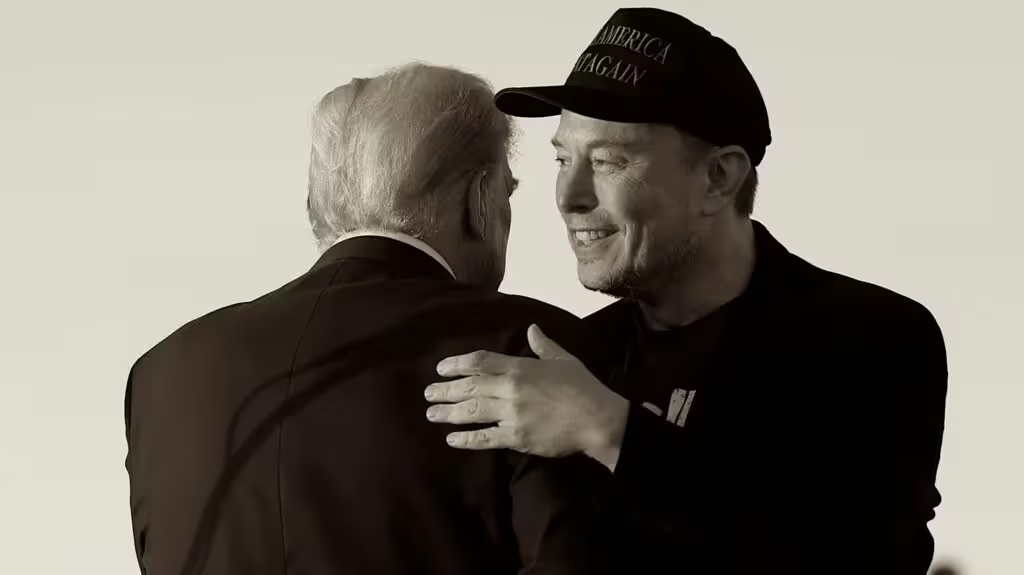
The latest:
More than $440 million poured into Republican campaigns by Elon Musk ended with Democrats taking control of both chambers of Congress, according to The Wall Street Journal. The costliest loss came in his home state of Texas, where Democrat James Talarico defeated Republican Ken Paxton for the Senate seat — the first statewide Democratic win there in 32 years.
Details:
- The spending: Musk committed more than $440 million to Republican candidates nationwide, according to The Wall Street Journal, with over $150 million directed to the Texas Senate race alone. That single-race figure made it the costliest front in his effort and the one where the defeat landed hardest.
- The Texas result: Talarico’s win over Paxton broke a 32-year Republican hold on statewide offices in Texas, per the same report. Musk’s money financed a heavy television advertising campaign attacking Talarico, intended to rescue what the newspaper described as Paxton’s struggling candidacy.
- The backfire: The Journal reported that the ad blitz appeared to work against its purpose, energizing Talarico supporters who voiced resentment at Musk’s intervention in the days before the vote. The scale of outside spending became an issue in the race itself.
- The winner’s message: In his victory speech in Austin, Talarico said: “We just proved that all the money in the world cannot stand against the will of the people of Texas.” He did not name Musk directly.
- Musk’s reaction: As results landed late in the night, users turned to X, the platform Musk owns, to watch for his response. He eventually joked that his space-based election-interference lasers had not worked this time, according to The Wall Street Journal.
- The Democratic plan: Even before the results, Democrats signaled they intend to use expansive congressional authority to target the Tesla and SpaceX chief executive alongside President Trump, the report said. Oversight would run in parallel with scrutiny of the administration itself.
- Two inquiries: Democrats are seeking to examine Musk’s role in cutting federal spending during the early days of the Trump administration, when he headed the Department of Government Efficiency, and to investigate whether he restricted Ukraine’s use of SpaceX satellites in its war against Russia.
- The nationalization call: One prominent Democratic figure called for nationalizing SpaceX. The Journal assessed a government takeover as a remote prospect, but treated the demand as a measure of the hostility Musk has generated among Democrats since helping return Trump to power two years ago.
- Musk’s warning: Writing on X before the vote, as Democrats pressed for investigations, Musk said those who live by the sword die by the sword, and warned that anyone choosing conflict with him would see him expose whoever pulls the strings and pursue them rather than their puppets.
Background:
Musk helped finance Trump’s return to the White House two years ago and then led the Department of Government Efficiency, the body tasked with cutting federal spending in the administration’s opening phase. That record is now the main target of promised Democratic oversight.
Between the lines:
The Texas numbers carry the sharper signal: $150 million in one race produced a Democratic breakthrough after 32 years, and The Wall Street Journal reported that the advertising itself mobilized the opposing side. Musk’s exposure is also structural — his government-efficiency role and the Ukraine satellite question both sit within congressional subpoena power, which Democrats now control in both chambers.
What’s next
Watch whether incoming Democratic committee chairs formally open the two inquiries flagged before the election — Musk’s spending-cut role and the Ukraine satellite access question — and whether the nationalization demand gains additional backers in the new Congress.