Key Points
- Washington says talks remain open but it is prepared to shift course if Hormuz shipping stays blocked.
- Iran says a proposal exists to reopen the strait within two days if its conditions are met.
- The strait carries global oil flows, making any closure an immediate economic and military flashpoint.
The latest:
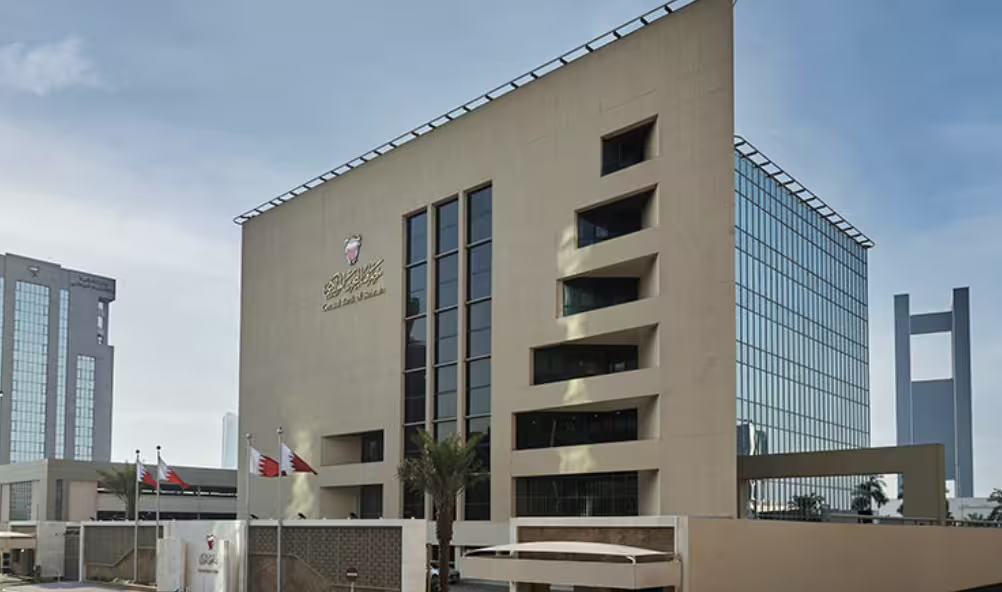
Washington is prepared to take another course if shipping through the Strait of Hormuz does not return to normal, Assistant Secretary of State for Near Eastern Affairs Donald Blome said on Sunday, 1 November, at the Manama Dialogue forum in Bahrain. He said negotiation channels remain open and active, while insisting Iran cannot be allowed to hold the region and the global economy hostage.
Details:
- The diplomacy: Blome spoke as Iranian negotiators completed a third consecutive day of indirect talks in Doha with Qatari mediators, according to Al Jazeera and Malay Mail. The talks aim to end a war that began on 28 February with joint US-Israeli strikes on Iran, as reported by The Nation.
- The two-day plan: Iranian Foreign Minister Abbas Araghchi said Iran and Qatar had worked out a proposal to reopen the strait within two days if Washington accepts Tehran’s conditions. Qatar had earlier proposed a five-day timeline. Araghchi said consultations were moving toward implementation but had not reached a definitive conclusion.
- Tehran’s conditions: Iran’s demands include lifting the sanctions imposed after the collapse of the Islamabad memorandum in July, reducing US forces in the region, and releasing frozen funds, including money held in Qatar. Tehran also wants formal recognition of a shipping route agreed with Oman, with all other routes closed.
- The hard line: Not all Iranian officials endorsed the diplomacy. Ali Nikzad, deputy speaker of parliament, said the negotiating window “is now closed”. Iranian military officials warned that any new attack would draw a larger response, one that might not remain confined to the region.
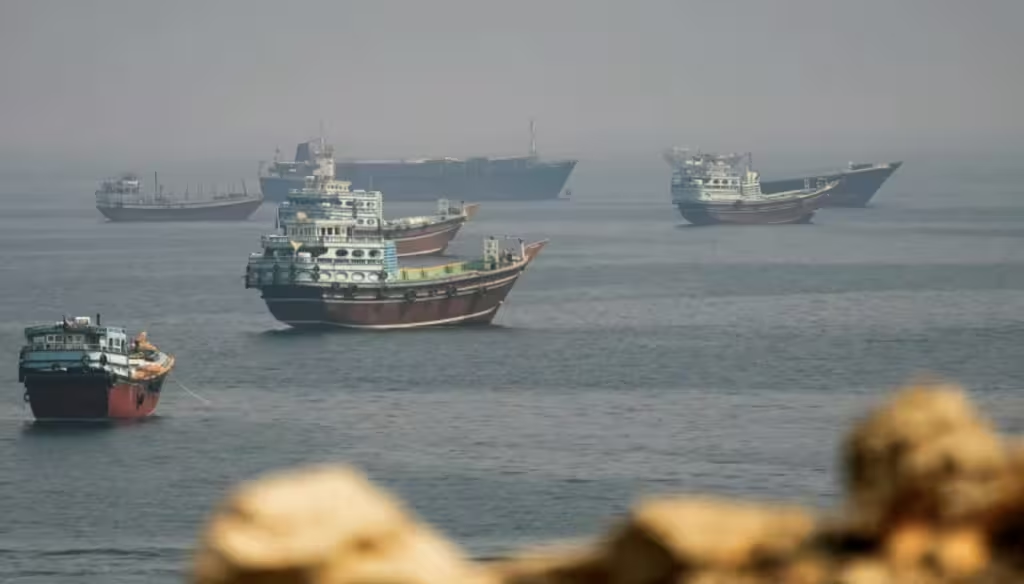
- The tankers: Iran’s Revolutionary Guards navy said two oil tankers exploded after striking mines while using what it described as an unauthorised route through the strait. The claim reinforces Tehran’s push for recognition of a single sanctioned corridor and underscores the risk attached to commercial traffic there.
- Trump’s posture: President Donald Trump said the talks were going well but that he was in no hurry. He said the United States could strike Iran’s remaining suspected nuclear sites within minutes, naming the underground facility at Pickaxe Mountain. Secretary of State Marco Rubio said no decision on new strikes had been taken.
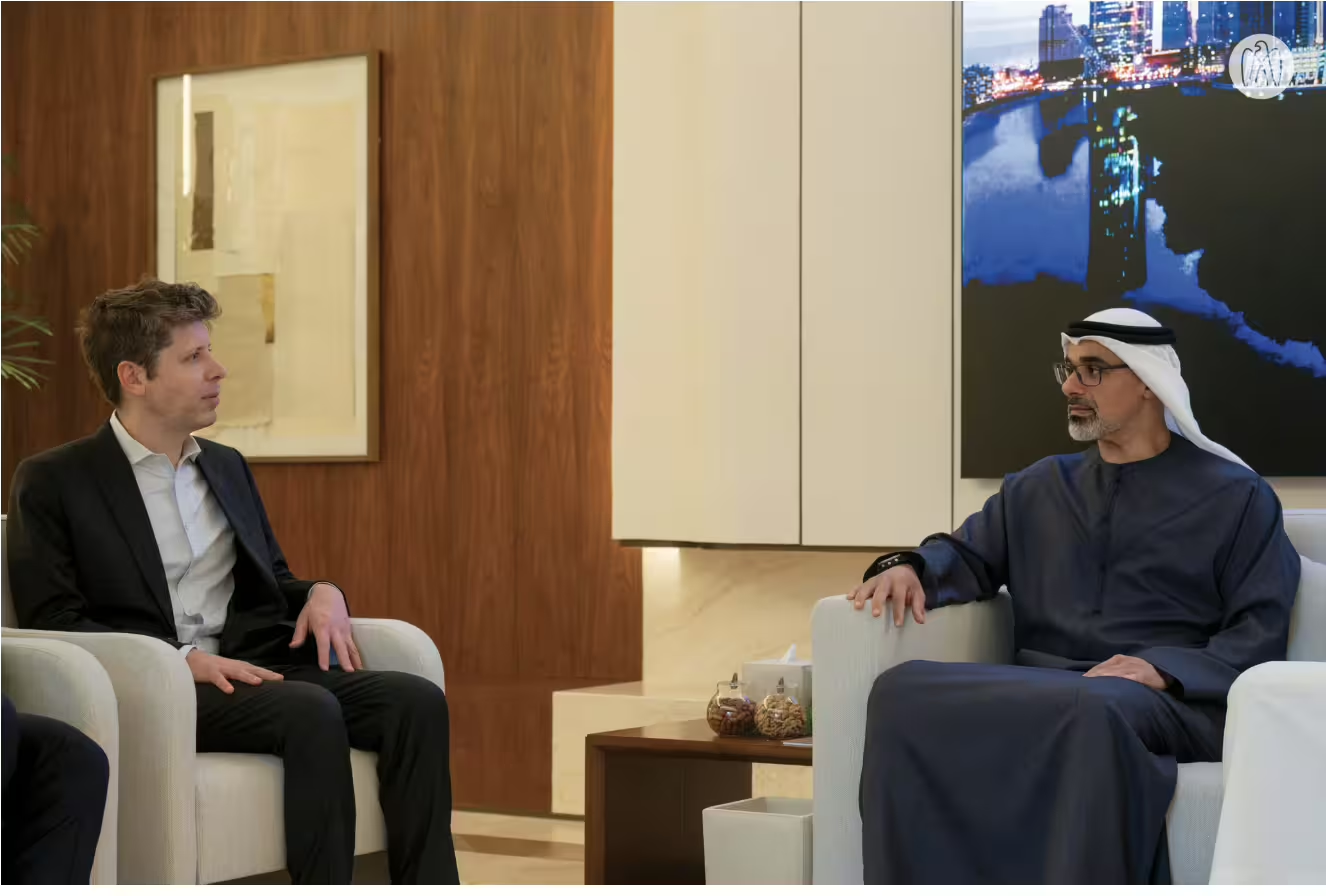
- The Gulf view: Emirati presidential adviser Anwar Gargash told the same Manama forum that another round of fighting was not in the region’s interest, while adding that the Gulf was braced for the worst, as it had shown before. Gulf states have not announced any collective position on the Doha track.
- The election factor: Trump has signalled that Washington will not launch new attacks before the 3 November midterm elections, according to The Nation. That timing has fed concern among observers that hostilities could resume once voting ends, leaving the Doha track a narrow window to produce an agreement.
Background:
The war began on 28 February with joint US-Israeli strikes on Iran. Diplomacy had already faltered once: the Islamabad memorandum collapsed in July, triggering the sanctions Tehran now demands be lifted as a condition for reopening the strait.
Between the lines:
The gap inside Tehran is now visible in public: Araghchi describes a plan moving toward implementation while the deputy parliament speaker declares the window shut. Washington’s language mirrors that duality, pairing open channels with readiness to go another direction. With Trump holding fire until 3 November and Gargash saying the Gulf is braced for the worst, both capitals appear to be keeping a military option alive while mediators work.
What’s next
Watch whether Qatari mediators convert the two-day plan into an agreed text, Washington’s response to Tehran’s sanctions and troop conditions, and whether strike planning resumes after the 3 November midterm elections.