Key Points
- Washington says Hormuz oil exports have rebounded to roughly 80% of prewar levels under U.S. naval protection.
- October has been the strait's most violent month of the war, with at least 25 ships hit.
- Trump has threatened renewed full-scale strikes on Iran after next week's U.S. midterm elections.
The latest:
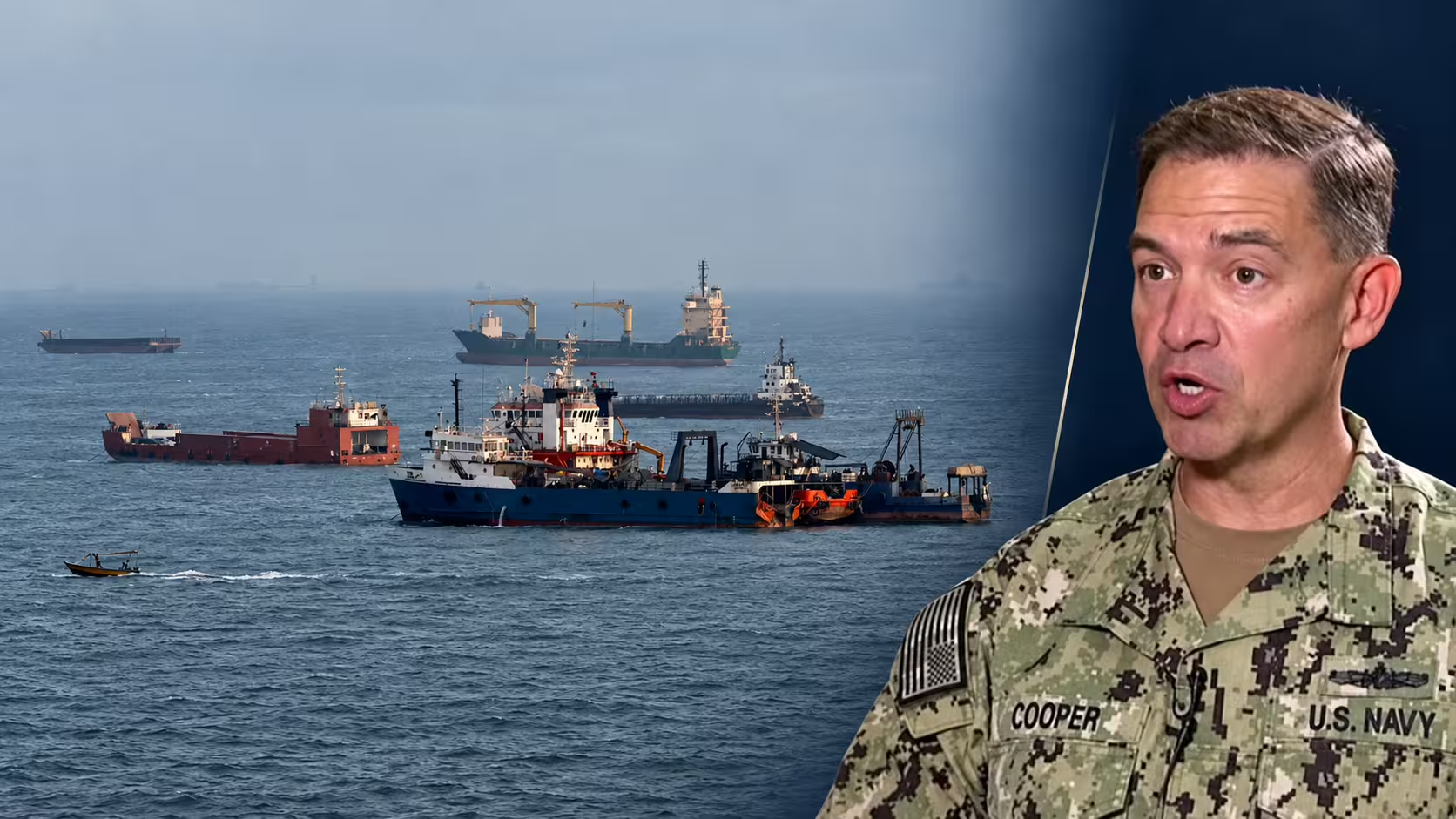
Oil flows through the Strait of Hormuz have climbed back toward prewar levels after weeks of secretive U.S. military operations designed to strip Iran of one of its strongest sources of leverage. U.S. Central Command said rising vessel traffic and the small share of ships disabled by Iranian strikes demonstrate that Washington and regional partners control the waterway, a claim made days before midterm elections that Trump has linked to renewed war.
Details:
- The figures: Maritime analytics firm Kpler found average daily oil exports reached 14 million barrels for the week ending October 18, about 80% of prewar averages, up from lows near 7 million barrels in July. Central Command does not release daily averages but said exports through the strait have totaled 1.5 billion barrels since summer.
- The violence: At least 25 ships in the strait were hit during October, the most violent month since the war began, according to data from the U.K. Maritime Trade Operations center, a monitoring body affiliated with the British military. United Nations data shows two ships have sunk this month as a result of Iranian attacks.
- Iran’s shift: Tehran appears to have adjusted its targeting in recent weeks, increasingly aiming at engine rooms to disable vessels rather than simply damage them, according to one person with knowledge of the matter who is close to the shipping industry. The volume of strikes on shipping has risen alongside the change.
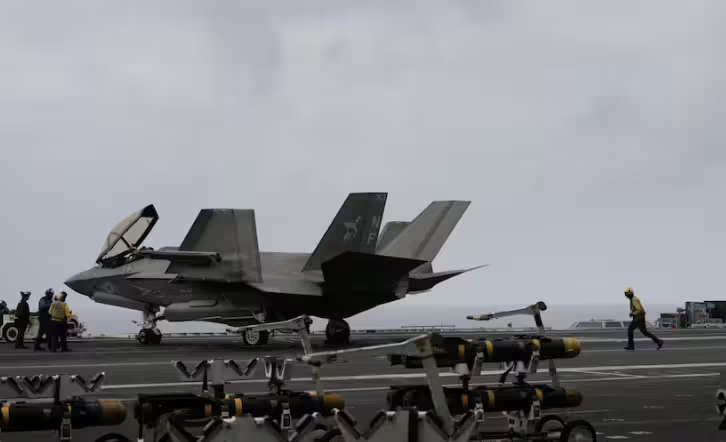
- How it works: U.S. forces have integrated air defenses, fighter jets, drones and warships to protect vessels in layers as they transit, in what a European security official described as a moving bubble. That official and two people with knowledge of the matter called the operations among the most complex of the war. The U.S. Army’s 82nd Airborne Division leads the mission and runs a joint operations center in the United Arab Emirates, one of those people said. The UAE Embassy in Washington did not immediately respond to a request for comment.
- The traffic: At least 30 ships per day have transited the strait this month, according to two people with knowledge of the matter. Central Command, which has released little publicly about the protection effort, said more than 3,000 commercial vessels have crossed the waterway over the past six months.
- The commander: Brad Cooper, head of Central Command, visited the strait this week and said in a social media video Friday that he saw dozens of commercial vessels transiting, including cargo, crude oil and liquefied natural gas carriers, and “I didn’t see the IRGC out there at all.”
- The human cost: Seven seafarers have been killed and 18 injured since U.S. operations ramped up in August, according to United Nations data. Risk levels are high enough that nearly all vessels making the trip are state owned and operated, with most private companies still refusing to use the strait even under U.S. protection.
- The doubts: One Western official based in the region called the situation completely unsustainable, noting that few vessels carrying liquefied natural gas have accepted the risk and warning that a hit on one would produce an explosion rather than an oil spill. A second Western official reported hearing similar concerns. Officials also question whether escort operations can be sustained alongside a resumed air campaign.
- The allies: Gulf partners, shipping firms and energy companies have welcomed the resumption of traffic, which nearly ceased during the U.S. and Israeli war with Iran. But a person in contact with industry leaders and government officials said the private sector views the effort as an imperfect, temporary measure.
Background:
Iranian action closed the strait earlier this year, collapsing traffic through the world’s most important oil chokepoint. U.S. escort operations ramped up in August and have since expanded into layered protection missions run with regional partners.
Between the lines:
Gregory Brew of the Eurasia Group assessed that Iran’s escalating attacks are themselves evidence of U.S. success, but argued the achievement falls short: energy prices have stayed high despite recovering traffic, and Tehran does not need to close the strait fully to keep them there. As long as the waterway is contested, he said, Iran is meeting its objective. Kevin Donegan, a retired vice admiral and former Fifth Fleet commander, offered a different reading, calling the current operations smaller and more nimble than the 1980s tanker war escorts.
What’s next
Watch next week’s U.S. midterm elections and whether Trump resumes heavy strikes on Iranian territory, along with monthly ship-strike counts, Kpler export averages and any move by private carriers or LNG operators back into the strait.