Key Points
- Zhang Shengmin, who led the PLA purge, was appointed to the Communist Party politburo Thursday.
- He is now the only military figure on the body and Xi's sole remaining CMC vice-chair.
- The move signals Xi's discipline drive will intensify before he seeks a fourth term next year.
The latest:
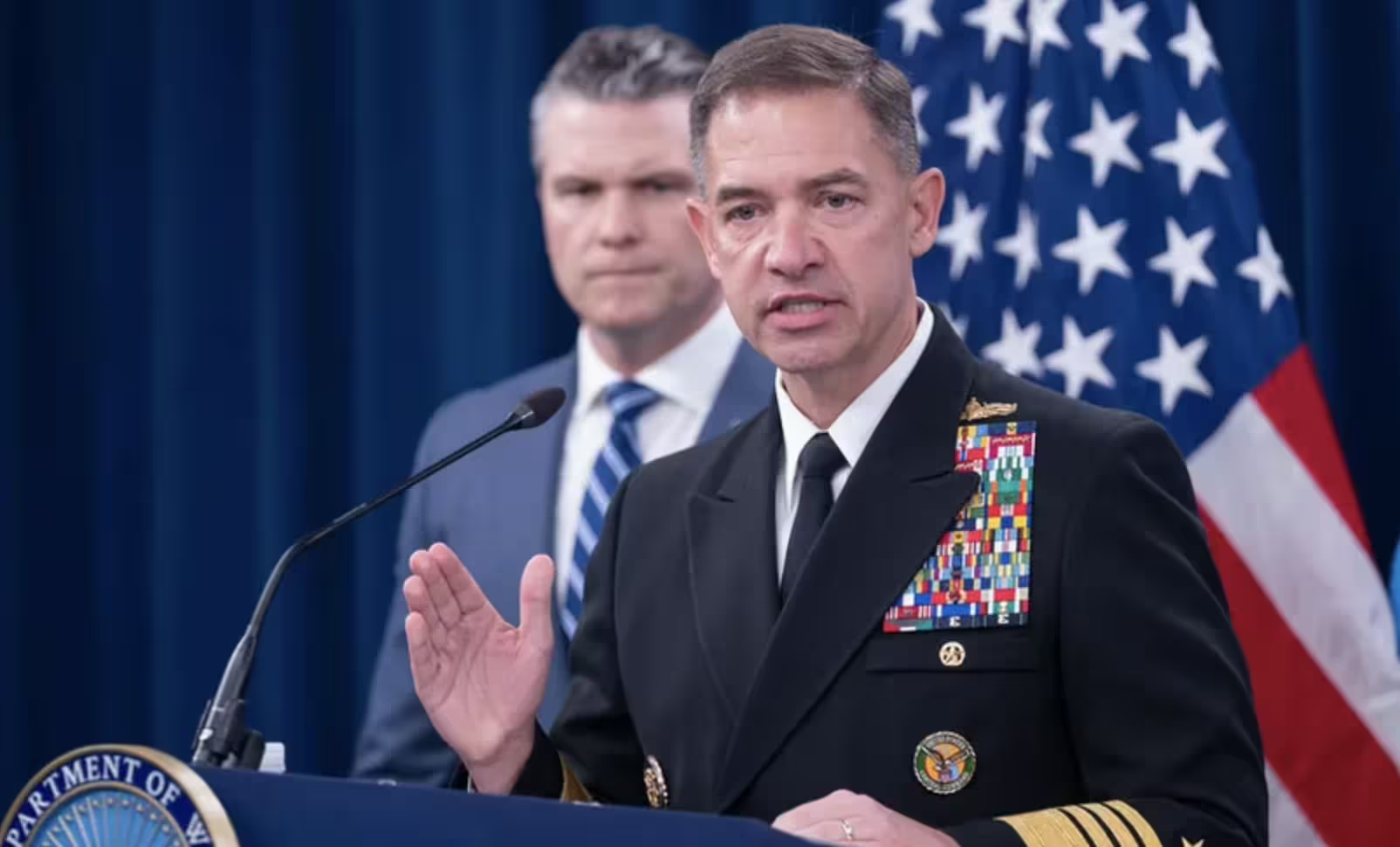
The general who ran Xi Jinping’s sweeping purge of China’s armed forces has been elevated to the Communist Party’s politburo, becoming its only military member. Zhang Shengmin’s appointment was announced in the communiqué closing the four-day fifth plenum of the Central Committee, the year’s most important political meeting, at which leaders pledged to deepen a crackdown on indiscipline and corruption.
Details:
- The appointment: Zhang Shengmin, Xi’s vice-chair on the Central Military Commission that controls the armed forces, joined the politburo on Thursday, the Financial Times reported. He becomes the only military figure in the senior leadership body, placing the army’s internal discipline machinery inside the party’s top decision-making circle.
- Why it is unusual: Neil Thomas, a senior fellow on Chinese politics at the Asia Society, wrote on X that Xi’s longtime PLA anti-corruption tsar had become the first person promoted to the politburo outside a party congress since 1994, breaking a three-decade pattern in which such elevations wait for the five-yearly meeting.
- The purge’s scale: The campaign has left the Central Military Commission with only two members, Xi as chair and Zhang Shengmin as vice-chair, according to the Financial Times. Two former defence ministers received suspended death sentences in May, and millions of officials have been purged since Xi took power in 2012, mostly on corruption charges.
- The fallen deputy: The communiqué named dozens of senior officials accused of violations by the Central Committee for Discipline Inspection and the CMC, including former CMC vice-chair Zhang Youxia. Once the highest-ranking PLA official after Xi, he is accused of disloyalty and forming cliques; the politburo approved his expulsion last month.
- The civilian casualties: The document also confirmed the expulsion of Ma Xingrui, the former aerospace engineer who ran Xinjiang, Jin Zhuanglong, a former technology minister, and Liu Jianchao, a former senior diplomat once seen as a contender for foreign minister, extending the crackdown well beyond the military.
- The attendance signal: Thomas said turnout indicated the purges had cut deeper than previously understood, with only 74 per cent of the Central Committee’s original 205 full members and 171 alternates present. He described the attendance rate as a new post-Mao low, referring to Mao Zedong, who died in 1976.
- The language: Leaders vowed to “relentlessly rectify conduct and enforce discipline”, pledging to advance the approach of officials not daring to be corrupt, not being able to be corrupt and not wanting to be corrupt. The formulation signals the campaign is being institutionalised rather than wound down.
- The timetable: The communiqué said the party will hold its quinquennial congress in the second half of next year to appoint its next general secretary, with no specific date announced. Analysts expect Xi to stand again for a fourth five-year term.
- The frustration: China watchers said the emphasis on discipline reflects Xi’s growing irritation with the conduct and performance of cadres across provinces and ministries, not only within the armed forces, as he seeks tighter control over a sprawling political machine.
Background:
Xi has run an anti-corruption campaign since taking power in 2012, using it to consolidate authority over the party apparatus and the People’s Liberation Army. The fifth plenum of a Central Committee traditionally sets the agenda heading into the next party congress.
Between the lines:
Placing the army’s chief disciplinarian on the politburo, while the CMC itself is down to two members, concentrates oversight of the military in a very small circle around Xi. The record-low plenum attendance and the naming of a former CMC vice-chair for disloyalty suggest the purge removed figures senior enough to matter politically, which makes the promotion of the man who prosecuted it a statement about who is trusted going into the congress.
What’s next
Watch the party congress in the second half of next year, when the general secretary is appointed, and any announcement of new CMC appointments to fill the commission’s vacant seats.