Key Points
- Qatari mediators gave Iran a draft deal Sunday to end the US-Israeli war, an official said.
- Tehran is studying the text and is expected to respond by the end of the week.
- A reply would be the first test of whether mediation can forestall renewed Israeli strikes.
The latest:
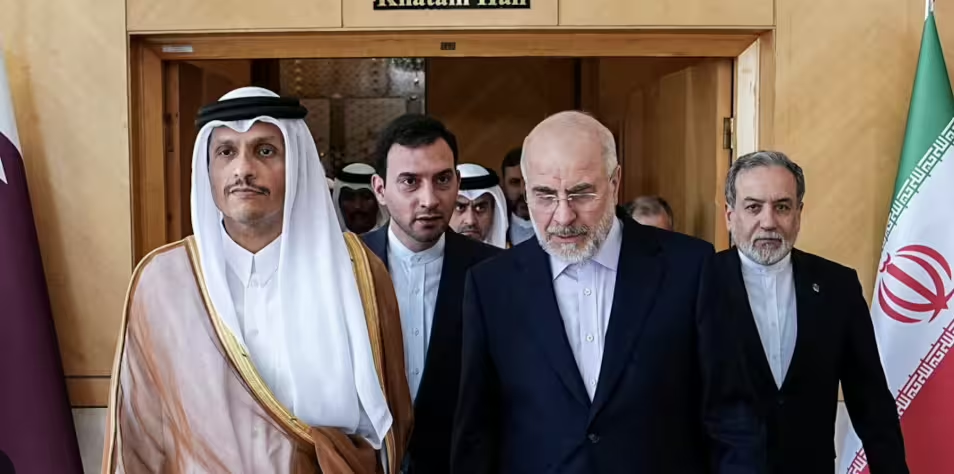
Qatari mediators presented Iran with a new draft deal on Sunday aimed at ending the US-Israeli war, an official briefed on the talks told Reuters on Wednesday. Tehran is reviewing the text and is expected to deliver its answer by the end of the week. Ahead of the Sunday meeting in Tehran, the same official said there were concerns that Israeli Prime Minister Benjamin Netanyahu could resume attacks this week.
Details:
- The mediation: The draft was delivered in Tehran on Sunday by Qatari mediators, according to an official briefed on the negotiations who spoke to Reuters. The official did not describe the terms of the proposal, nor identify who received it on the Iranian side or who else attended the meeting.
- The timeline: Iran is expected to send its response by the end of the week, the official said. That window, set out on Wednesday, leaves days rather than weeks for a reply, and no date has been given for a follow-up round of contacts if Tehran rejects or seeks changes to the text.
- The fear of escalation: The same official said concerns circulated before Sunday’s meeting that Netanyahu could resume attacks on Iran during the current week. No detail was offered on where those concerns originated, and Israel has not set out publicly what would trigger a new round of strikes.
- Iran’s warning: Foreign Minister Abbas Araghchi wrote on X that any Israel-instigated military escalation in the Gulf would hit international markets hard. He described the potential damage as a major concern for gas suppliers and consumers alike, tying the military file directly to energy flows through the region.
- The energy angle: Araghchi’s framing places producers and buyers in the same risk category, an argument aimed less at Israel than at the governments and markets that depend on Gulf gas. He did not specify which routes, fields or facilities he considered exposed, nor name any supplier state.
- The Emirati position: Anwar Gargash, diplomatic adviser to the UAE president, said on Wednesday that Abu Dhabi remains committed to dialogue and political solutions. He cited regional uncertainty and what he called growing speculation over possible escalation and confrontation, describing the UAE approach as based on wisdom and balance.
- The call for restraint: Gargash said the current phase required the highest levels of restraint, flexibility and rationality, away from the logic of escalation. He argued that regional experience shows wars produce only further crises, and that diplomacy is the most effective path to security, peace and stability.
- Other tracks: Separately, nuclear inspectors see no evidence that Iran has repaired its bombed sites. Egypt’s and Saudi Arabia’s foreign ministers discussed containing the regional crisis, and the Saudi-led coalition intercepted a Houthi missile, keeping a second front active alongside the Iran file.
Between the lines:
Two signals point the same way. Araghchi is arguing the cost of escalation in market terms rather than military ones, addressing suppliers and consumers; Gargash is pressing restraint publicly while declining to name any party. Both statements landed on Wednesday, the day the draft deal became known, and neither official referred to the Qatari text.
What’s next
Iran’s response to the Qatari draft is due by the end of the week. Watch for any Israeli military action during the same window, and for whether inspectors gain access to the bombed nuclear sites.