Key Points
- The Pentagon told Congress the Iran war has cost $47.1 billion through Oct. 16.
- Munitions account for more than 60 percent, with $29 billion burned since fighting began Feb. 28.
- Officials say the figure understates the true bill, excluding fuel and destroyed bases.
The latest:
The Iran war has cost the United States $47.1 billion through Oct. 16, with bombs, missiles and other munitions making up more than 60 percent of the total, according to Pentagon figures delivered to Congress last week. The military added roughly $3.5 billion in costs over about six weeks, even with President Trump holding off on restarting major combat operations.
Details:
- The munitions bill: The military has burned through $29 billion in munitions since the war began on Feb. 28, according to the figures given to lawmakers. The spending has depleted global stockpiles of critical weapons such as Patriot air-defense interceptors and pulled supplies away from U.S. commands in Asia and Europe.
- Service by service: The Air Force has spent $7.6 billion operating dozens of fighter and bomber squadrons. The Navy has incurred $1.5 billion deploying more than two dozen warships, including several aircraft carriers, while the Army has spent $2.1 billion sustaining its forces in the region.
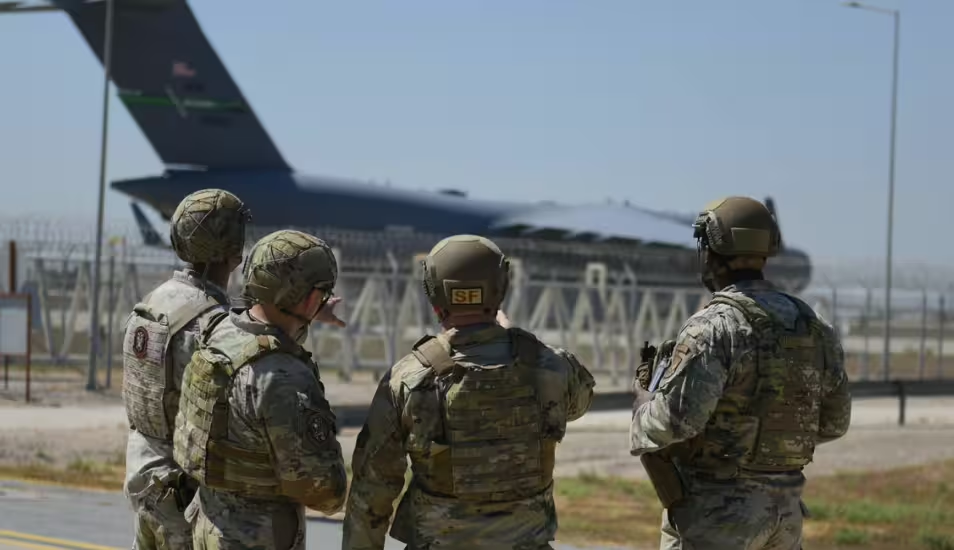
- Troops deployed: More than 50,000 troops are assigned to the war mission, according to U.S. Central Command. The Pentagon has also spent $645 million to move and support several thousand Special Operations commandos across the region.
- Replacing losses: The Pentagon has spent $6.1 billion to replace dozens of damaged or destroyed combat aircraft and other weaponry and equipment, the figures show. That line sits separate from the munitions account and from the day-to-day cost of keeping forces in theater.
- Human toll: The Pentagon says 18 service members have been killed in the war and more than 860 have been injured. One congressional official, speaking on condition of anonymity, said the military spent $24.5 million on “in-house medical support” for U.S. service members.
- Smaller accounts: U.S. Transportation Command spent $92.2 million moving supplies and equipment, and U.S. Cyber Command spent $14 million on cyber support operations, the same congressional official said. The unclassified breakdown covers each armed service as well as specific spending categories.
- What is missing: Congressional officials said the figures are almost certainly low. The Pentagon acknowledged its estimate leaves out $1.5 billion for fuel and other costs the Trump administration sought in a supplemental war funding request.
- Bases not counted: Costs to repair facilities damaged or destroyed by Iranian attacks, including the Navy base in Manama, Bahrain, were excluded. The Pentagon has indicated it may close or not rebuild them; congressional officials say rebuilding could run to tens of billions of dollars.
- The funding ask: Defense Secretary Pete Hegseth and the Trump administration are requesting as much as $70 billion in emergency military spending to cover the Iran war and pay for new weapons and personnel. The Pentagon did not immediately respond to a request for comment.
Background:
The war began on Feb. 28. Last month the Pentagon gave lawmakers an earlier cost estimate; the new figures, shared with national security committees on Capitol Hill, show the total climbing by about $3.5 billion since.
Between the lines:
The accounting is unusual because Hegseth and his top aides have largely kept the war’s finances out of public view. The excluded items — $1.5 billion in fuel costs and the bases hit by Iranian attacks — mean the published $47.1 billion sits well below the eventual bill, the figure Congress will weigh against a $70 billion emergency request.
What’s next
Watch whether Congress approves the administration’s request of up to $70 billion in emergency military spending, and whether the Pentagon decides to rebuild or abandon damaged facilities such as the Navy base in Manama.