Key Points
- US and Israeli militaries have drawn up plans for renewed strikes on Iran after American midterms.
- Targets would likely include energy infrastructure, nuclear sites and Iran's missile and drone arsenal.
- Trump has repeatedly vetoed a return to major combat, leaving approval uncertain as Iran vows wider retaliation.
The latest:
Specific plans for a short, intensive new round of strikes on Iran have been developed by the US and Israeli militaries for after the American midterm elections, US officials and people briefed on the deliberations told The New York Times. Defense Secretary Pete Hegseth discussed new strikes with Prime Minister Benjamin Netanyahu in Israel this week. Officials spoke anonymously.
Details:
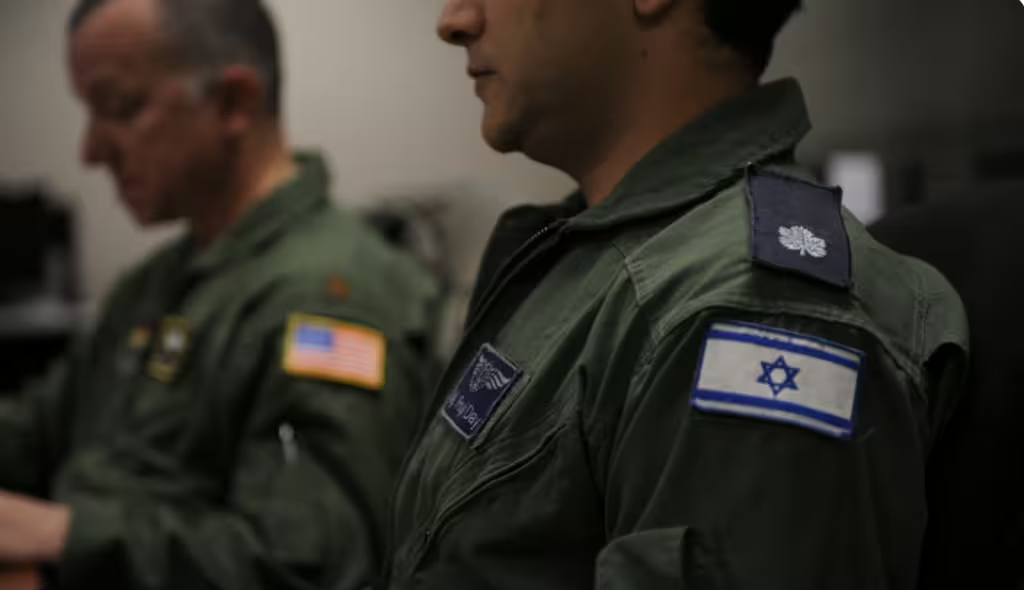
- The preparations: US and Israeli forces have stepped up exercises, flying planes over Iraq to practice strike maneuvers, officials said. The full American complement — three aircraft carriers, thousands of Marines, fighter jets and Special Operations forces — will not be in place until early November, when darkness hours over Iran also lengthen.
- The targets: Likely targets include energy infrastructure, nuclear facilities and the missile and drone arsenal, officials said. Some said refineries and oil infrastructure would be avoided because Trump wants to prevent higher gas prices. Both militaries are drafting options against the nuclear program, including Pickaxe Mountain, a deeply buried site Iranians call Kooh Kolang.
- The MOAB question: Trump said last week he was weighing a 22,000-pound GBU-43/B Massive Ordnance Air Blast bomb against Pickaxe, and officials said part of the appeal is its nickname, Mother of All Bombs. Weapons specialists said the MOAB detonates above ground and would likely fail against a granite-encased underground site.
- The vetoes: Trump has repeatedly blocked a return to major combat this year, including this month when both militaries were nearly ready to attack and air forces were on the highest alert. A commander described day-to-day whiplash among planners trying to stay poised for whatever option Trump chooses. An official said Wednesday the administration does not comment on plans “that may or may not exist,” and that Trump keeps all options on the table.
- Iran’s warning: Iranian officials pledged to widen retaliation beyond commercial shipping and regional energy infrastructure to data centers and undersea internet cables, saying the fighting would be neither quick nor limited. Mahdi Mohammadi, a senior adviser to negotiator Gen. Mohammad Bagher Ghalibaf, called the notion of wrapping up strikes within 72 hours a fantasy.
- The diplomacy: US negotiators are using the threat of renewed war as leverage on Iran’s nuclear program and control of the Strait of Hormuz. Iranian negotiators have so far refused concessions on the nuclear file, insisting the issue be deferred until later in the talks.
- The skeptics: Dana Stroul, the Pentagon’s top Middle East policy official under Biden and now at the Washington Institute for Near East Policy, assessed that the military campaign, sanctions and the naval blockade have not brought Tehran back to meaningful negotiations, and that neither Trump nor Netanyahu has made a compelling case that more war would.
- The first phase: Strikes between February and April drove up global energy prices and inflation, eroded security across the Middle East and severely strained the Pentagon’s supply of missile interceptors. Trump said in February the war would last two weeks; it has run nearly eight months.
- Israel’s vote: Israel’s October 27 election could complicate planning. Experts said a defeated Netanyahu would become caretaker prime minister and struggle to launch a war. Commentator Mazal Mualem assessed he could invoke an imminent joint strike to call for a broad emergency government, but would face deep suspicion from rivals.
Background:
Iran’s new supreme leader, Ayatollah Mojtaba Khamenei, remains an enigma to US and Israeli intelligence officials after his father was killed early in the war. Some officials said he is less powerful than his father, and that hard-line Islamic Revolutionary Guards Corps figures make key decisions.
Between the lines:
Each element of the plan carries its own brake. The arsenal is not fully assembled until November, the weapon Trump favors may not work on granite, and Israel’s prime minister could be a caretaker within days. Tehran’s own calculation, voiced by analyst Peiman Salehi, is that striking Saudi refineries including Aramco would spike energy prices and pressure Washington — the same cost Trump is reportedly trying to avoid.
What’s next
Israel votes on October 27, and the US midterms follow. Watch early November, when American forces are due to be fully in place, and whether Iranian negotiators move on the nuclear file or keep deferring it.
Source: