Key Points
- Brent rose 0.8% to $106.54 a barrel as Middle East security incidents multiplied.
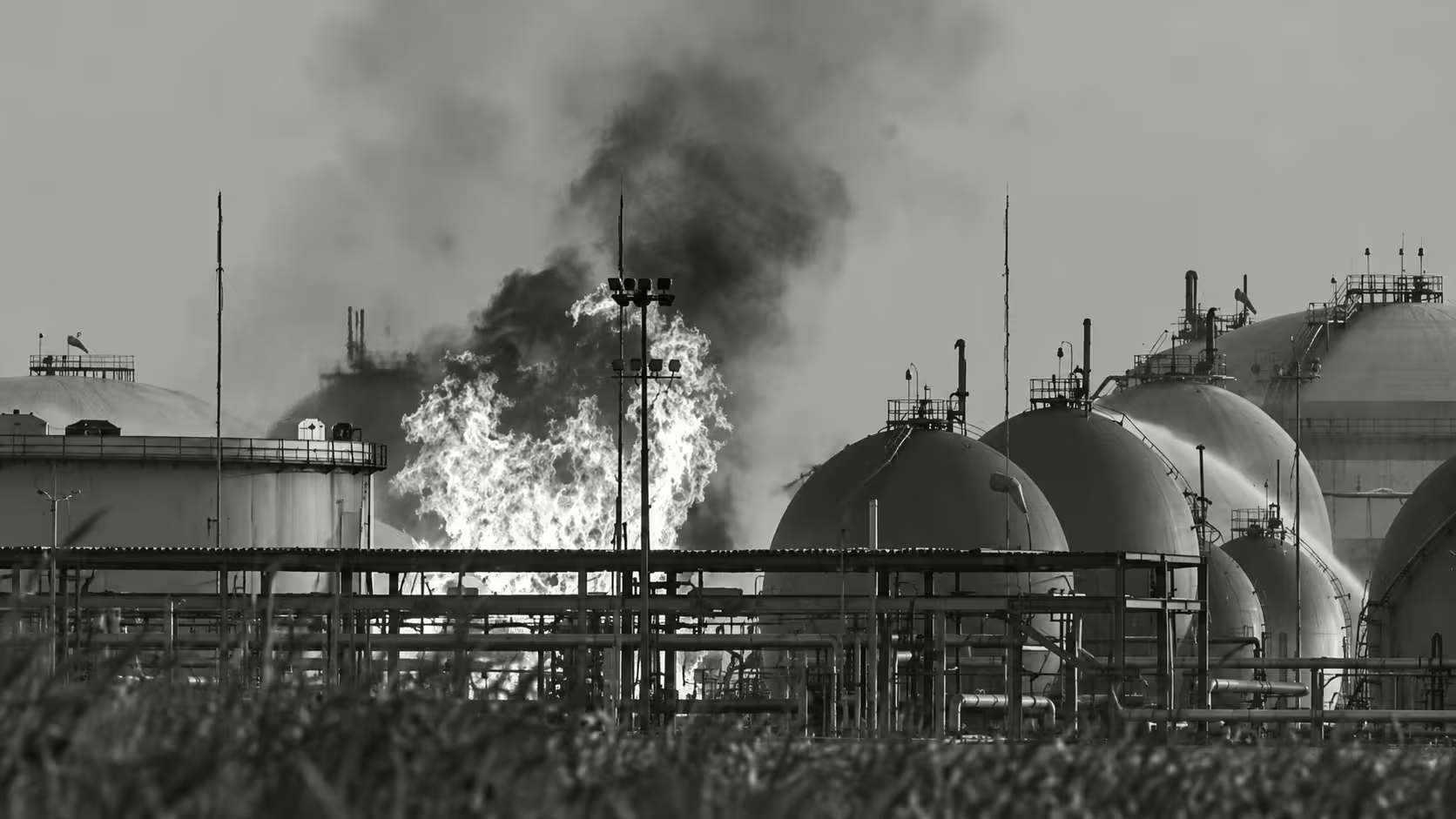
- Saudi Arabia says an Aramco administrative building in Dhahran was struck, causing a contained fire.
- Oil flows continue despite the attacks, with Gulf exports recovering and Iranian crude exports halted.
The latest:
Brent crude for December delivery climbed 0.8% to $106.54 a barrel at 10:29 a.m. Singapore time, moving toward $107 as security incidents piled up across Saudi Arabia, Yemen and the Strait of Hormuz. West Texas Intermediate for November rose by the same margin to $94.91. Saudi Arabia’s energy ministry said an Aramco administrative building in Dhahran was targeted Tuesday evening.
Details:
- The Dhahran strike: The Saudi energy ministry said one of Aramco’s administrative buildings in Dhahran, in the Eastern Province, was targeted on the evening of Tuesday, October 13, setting off a limited fire. It said there were no injuries or deaths, and did not name the party behind the attack.
- Casualties in Riyadh: Saudi civil defense said Wednesday that four people — two women, a man and a child — were wounded by debris from two cruise missiles intercepted over Riyadh, according to the Saudi Press Agency. It said the Houthis launched the missiles and that 15 homes sustained limited material damage.
- Earlier interceptions: The Saudi-led coalition in Yemen said earlier Tuesday it had intercepted and destroyed three drones and four cruise missiles over the Riyadh area and the southern region, along with a separate missile over Kharj province.
- Strike in Sanaa: An air raid hit the Sabaha oil facility in Sanaa on Tuesday, Yemeni sources told Asharq, shortly after the coalition told civilians to evacuate the site. Coalition spokesman Maj. Gen. Turki al-Maliki had announced plans for what he described as a qualitative operation in Sanaa, publishing a map of the target.
- Trump’s warning: U.S. President Donald Trump accused the Houthis of resuming attacks on Saudi Arabia, most likely at Iran’s direction, to push oil prices higher before November’s U.S. midterm elections. Writing on Truth Social on Tuesday, he called the effort unacceptable and told the group: “I will be there after the election, and I will never forget it.”
- Hormuz dispute: U.S. Central Command said Tuesday that American forces and regional partners hold full control of the Strait of Hormuz, rejecting claims by the commander of the Revolutionary Guard’s naval force of Iranian control. CENTCOM said it helped partners ship more than 19 million barrels of crude through the strait on Monday.
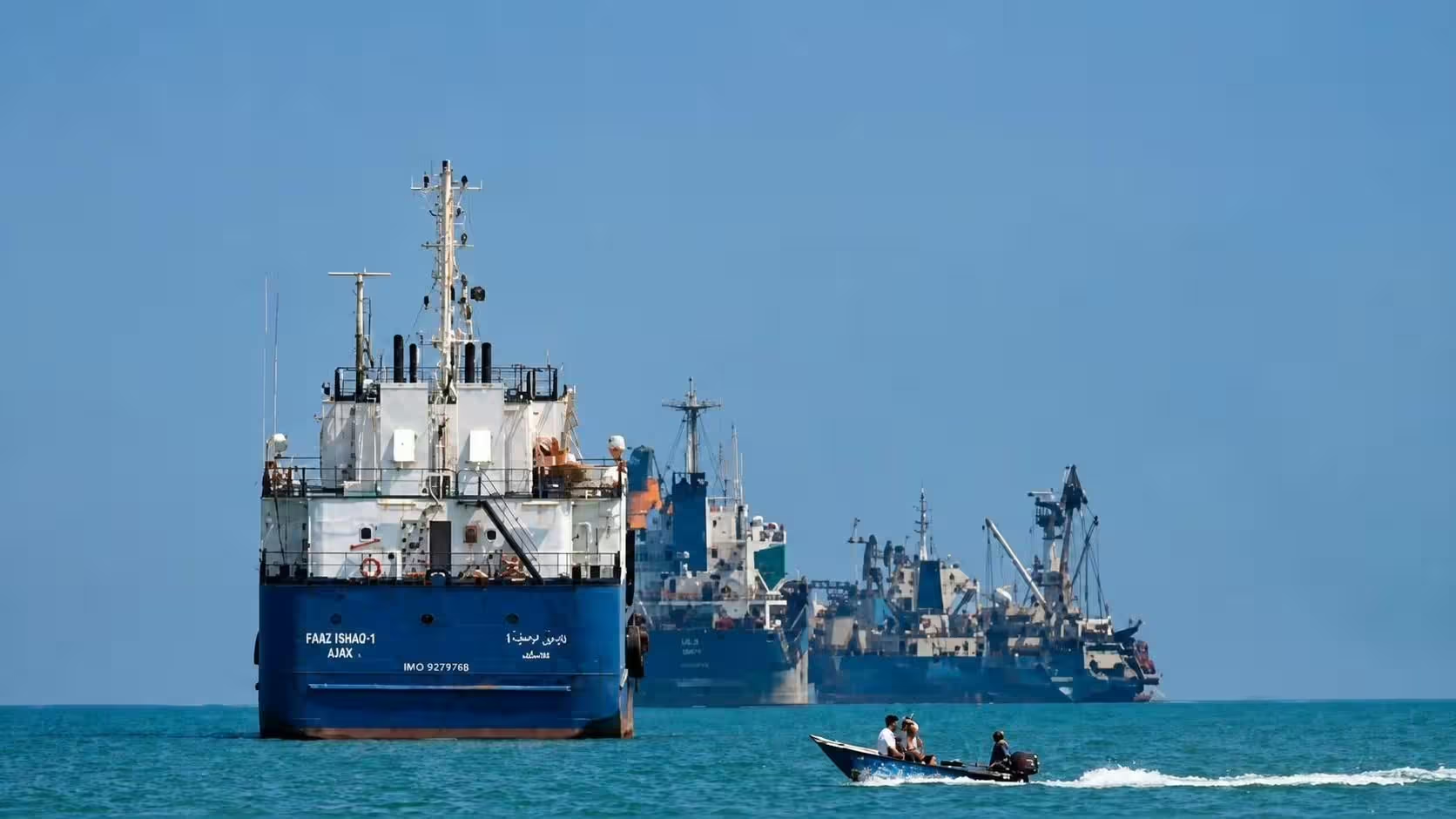
- Shipping attacked: Britain’s maritime trade operations agency reported earlier Tuesday that a container ship and a tanker were struck by an unidentified projectile inside the strait. It did not identify who fired.
- Gulf exports recovering: Vortexa reported that oil flows from the Arabian Gulf excluding Iran recovered in September to more than 81% of pre-war levels, driven by a rebound in Saudi exports.
- Iranian exports at zero: Vortexa said the U.S. blockade halted Iranian crude exports in October. Seaborne Iranian crude exports fell to zero in the second week of September, from a 14-day average of about 230,000 barrels a day at the start of the month, and stayed there through October 5.
- Crude afloat: Iranian crude held on tankers fell to 83 million barrels, including 43 million barrels stranded west of the Strait of Hormuz because of the U.S. blockade, according to Vortexa.
Between the lines:
The price move sits awkwardly against the supply data. Gulf exports excluding Iran are back above 81% of pre-war levels and CENTCOM reports 19 million barrels moving through Hormuz in a single day, so the premium reflects attacks on infrastructure and shipping rather than barrels actually lost. The one confirmed supply removal is Iranian — and it comes from the U.S. blockade, not from the Houthis.
What’s next
Watch whether the coalition follows through on the operation al-Maliki announced in Sanaa, further strikes on Saudi energy sites, and October Vortexa data showing whether Iranian exports stay at zero through the midterms.