Key Points
- At least 12 died Saturday when a Houthi missile struck Riyadh's international airport, hundreds injured.
- It was the deadliest strike on the US or its Gulf allies in the Iran-related conflicts.
- Saudi Arabia's finance ministry now expects GDP to contract 3.6% in 2026.
The latest:
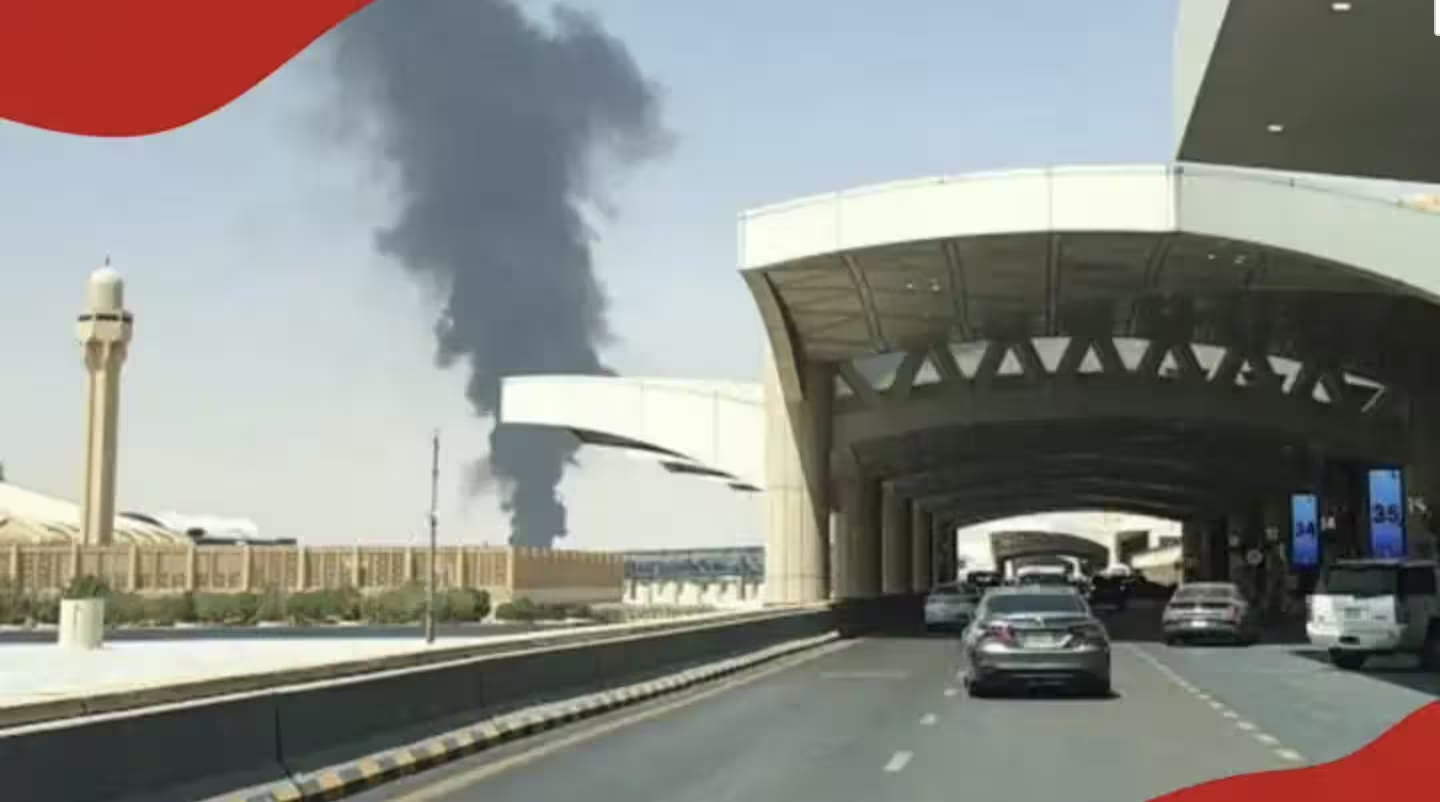
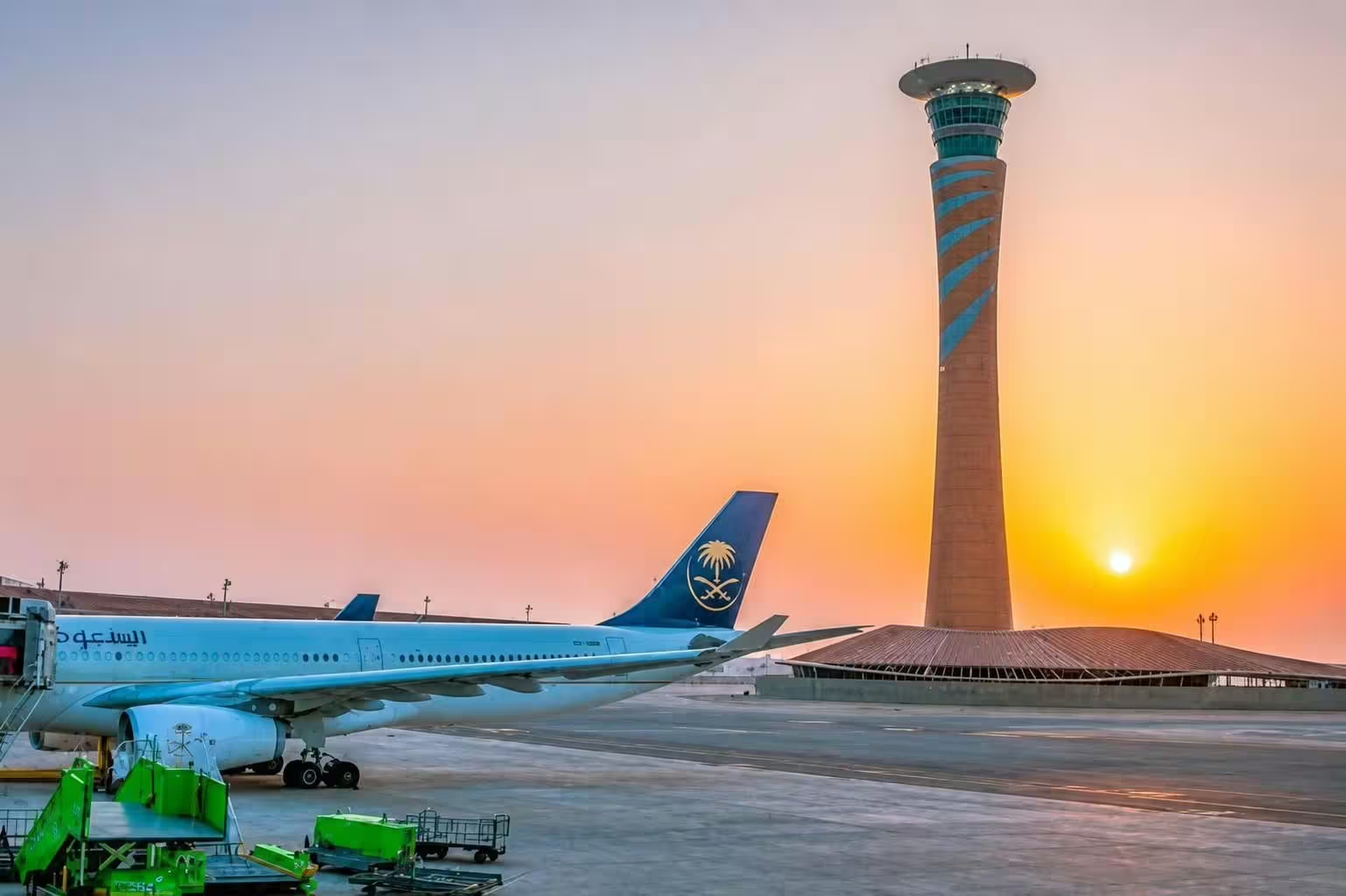
At least 12 people were killed and hundreds wounded when a Houthi missile hit Riyadh’s King Khalid International Airport on Saturday, striking two terminals whose roofs partially collapsed, according to The Wall Street Journal. It was the single deadliest attack on the United States or its Gulf allies in the conflicts tied to the Iran war. Saudi officials said they are running low on interceptors.
Details:
- The casualties: Officials briefed on the attack said a 28-year-old Egyptian flight attendant bled to death after her arm was blown off, one of several victims who lost limbs. Video verified by Storyful, owned like the Journal by Dow Jones, showed passengers wheeling suitcases past a trail of blood during the evacuation.
- Sunday’s follow-up: Authorities reported further attacks on the closed airport Sunday, saying a projectile caused a fire in Terminal 4 and caused injuries. A Houthi military spokesman repeated that Saudi airports are legitimate targets. The Journal reported the airport has been hit at least four times.
- Riyadh under fire: Riyadh sits 500 or more miles from Houthi-held territory in Yemen. Debris from an intercepted ballistic missile struck a kindergarten and a medical clinic complex Thursday. Workers in the financial district, students at some international schools and diplomats were ordered to evacuate or shelter in place.
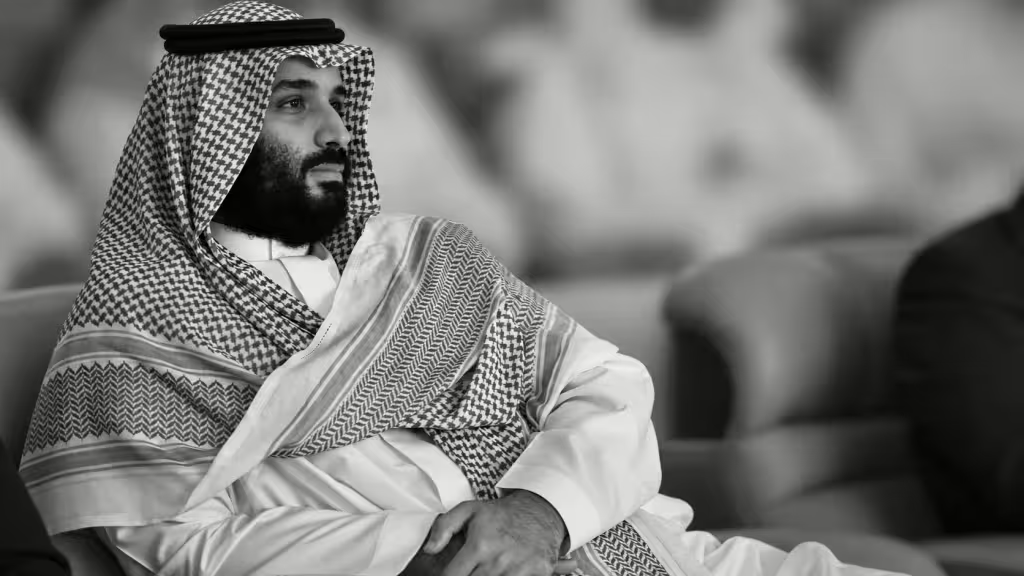
- The crown prince: Officials familiar with his movements said the 41-year-old Mohammed bin Salman is shuttling between heavily guarded palaces equipped with bunkers, protected by a handpicked security team. His last public appearance was Tuesday, at a national blood donation drive. Saudi press officials did not respond to a request for comment.
- Washington’s position: Trump told reporters over the weekend that the United States was in contact with the Houthis but might join Saudi strikes. “What they did was very bad,” he said Saturday night. Despite Riyadh’s pledge to invest roughly $1 trillion in the US, Washington has resisted requests for military help, sending advisers only.
- The economics: The Saudi finance ministry expects GDP to shrink 3.6% in 2026. Capital Economics found the non-oil economy was smaller in the second quarter than the first. Foreign investment fell in both opening quarters and trails the crown prince’s 2030 target. War costs have widened the budget deficit.
- Stalled megaprojects: Neom, the cube-shaped Mukaab in Riyadh and a desert ski resort together ran into the trillions of dollars against an annual budget near $350 billion. Many are stalled or under review. Saudi Arabia dropped the 2029 Asian Winter Games in January and must still fund Expo 2030 and the 2034 World Cup.
- The energy squeeze: Riyadh escaped Iran’s chokehold on the Strait of Hormuz earlier this year by pumping oil west to the Red Sea. The Houthis announced a maritime blockade in July, then struck the East-West pipeline in September, hitting the kingdom’s main alternative export route.
- The miscalculation: As recently as this summer, Saudi officials briefed journalists that the Houthi situation was under control. People familiar with deliberations said Saudi intelligence showed Iran pressing the Houthis to enter the war, while some officials assessed the group had absorbed heavy damage from US and Israeli strikes and would act on its own interests.
- Mokha’s fall: The Houthis mounted an August offensive along the Bab al-Mandeb coast. Wary of escalation, the kingdom withheld air support as its Yemeni allies defended the port city of Mokha. The city fell, along with other coastal positions, raising the threat to Saudi oil shipping.
Background:
Prince Mohammed took Saudi Arabia into Yemen’s civil war in 2015, backing the recognized government against the Houthis. The Saudi-led campaign’s airstrikes inflamed the conflict and fueled Houthi attacks on Saudi oil facilities and cities. Both sides fought to a stalemate and a 2022 ceasefire.
Between the lines:
Kristian Coates Ulrichsen of Rice University’s Baker Institute assessed that the crown prince has few good options, warning any military response risks pulling the kingdom deeper into an asymmetric fight where the Houthis have shown they can inflict significant damage. The interceptor shortage and Washington’s refusal of combat support narrow that further, which explains Riyadh’s parallel search for Pakistani help and a diplomatic exit.
What’s next
A marquee international investment conference scheduled for the end of October is increasingly in doubt. Watch whether Trump joins Saudi strikes, whether Pakistan responds to Riyadh’s request for military help, and whether the kingdom opens a negotiating channel with the Houthis.