The latest:
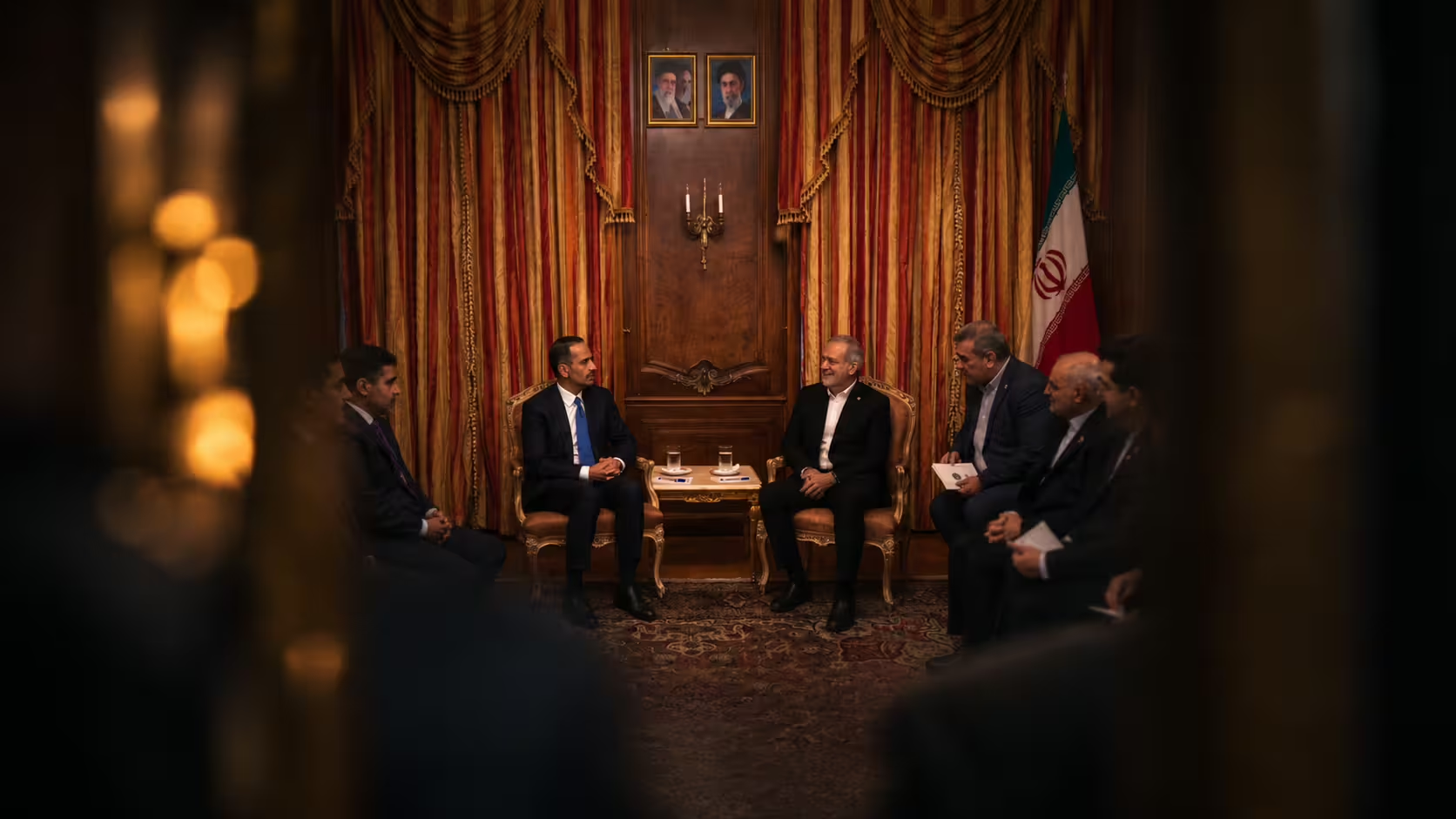
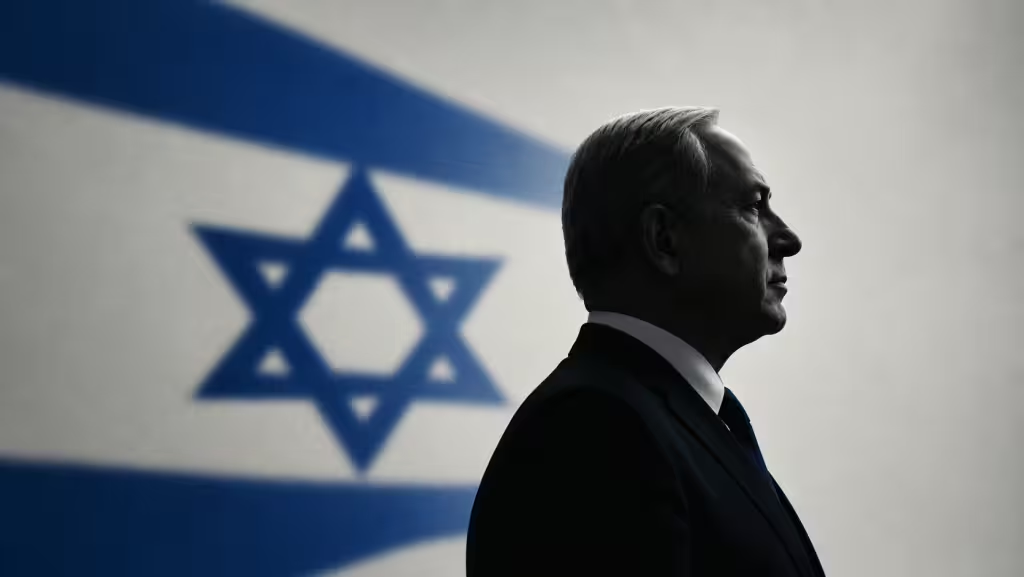
Israeli Prime Minister Benjamin Netanyahu met representatives of Gulf and Arab states that have no diplomatic ties with Israel, including Saudi Arabia, during Sunday’s visit to the United Arab Emirates, informed sources said. The talks focused on Iran and curbing its regional allies, above all the Houthis. Abu Dhabi confirmed the visit in a brief official statement referring only to bilateral relations.
Details:
- The host role: UAE President Sheikh Mohammed bin Zayed agreed to host the gathering, according to informed sources, making Abu Dhabi the venue where Israeli and Arab officials without formal ties could sit together. It is the first Netanyahu visit to receive official Emirati acknowledgment; Naftali Bennett’s 2021 and June 2022 trips were publicized with photographs.
- Who attended: Beyond the Saudi delegation, representatives of Morocco, Libya, Jordan and Qatar also appear to have taken part, sources said. The rank of the non-Israeli participants has not been disclosed, and no photograph of the Netanyahu–bin Zayed meeting was released by the Emirati side.
- The Saudi request: Mossad chief Roman Gofman prepared the meeting, convened at Saudi Arabia’s request for Israeli assistance against Houthi attacks in the Red Sea corridor, informed sources said. The Israeli side outlined readiness to help regional states with air defense systems, on the model of assistance extended to the UAE during the war with Iran. No framework, timeline or recipient list was announced.
- Abu Dhabi’s wording: The Emirates News Agency issued a short statement saying the Israeli prime minister discussed bilateral relations between the two countries and ways to strengthen and develop them. The statement did not address reports of a pre-October 7 conversation between Netanyahu and bin Zayed.
- The Israeli delegation: Netanyahu’s office published the participant list, naming his wife Sara, the Mossad director, National Security Council head Maj. Gen. Guy Marchesano, the military secretary, the Shin Bet chief, the political adviser, the flight crew and the security team.
- The denial: The Associated Press, citing a source with direct knowledge, reported that Netanyahu asked bin Zayed to publicly deny having warned him before the October 7 attack. Hours later the prime minister’s office called the report “fake news,” saying the visit was confined to bilateral ties and regional challenges.
- The censorship fight: The prime minister’s office said the Shin Bet filed a complaint with the military censor demanding accountability over the broadcast of the trip before the plane landed in Israel, claiming lives were endangered. Channel 12 sources countered that the aircraft had already arrived when the item aired near 10 p.m.
Background:
The UAE normalized relations with Israel under the 2020 Abraham Accords. Saudi Arabia has not, and Riyadh’s participation through intermediaries keeps contacts below the threshold of formal recognition while allowing coordination on shared security threats.
Between the lines:
The Emirati decision to host states with no Israeli ties, and to acknowledge the visit officially for the first time, positions Abu Dhabi as the working channel for a regional security file Riyadh cannot open directly. That Saudi Arabia asked for help on the Houthis, and that Israel offered air defense assistance, suggests the Red Sea threat is driving cooperation faster than diplomacy formally allows.
What’s next
Watch whether Saudi Arabia or the other named states acknowledge attendance, whether any air defense arrangement is announced, and how the military censor rules on the Shin Bet complaint against Channel 12.